Mexico City

History of Mexico City: From Tenochtitlan to Independent Mexico
Mexico City has a unique history that makes it one of the most fascinating cities on the continent. Originally founded as Mexico-Tenochtitlan, capital of the Mexica empire, it was a political, economic, and religious center of enormous influence in Mesoamerica. Following the military coalition formed by Cortés and his indigenous allies against the Mexica empire, the city was transformed into the capital of the Viceroyalty of New Spain, becoming the center of peninsular power in America. With the consummation of independence in 1821, Mexico City consolidated its position as the capital of a country that was beginning to define its national identity.

From Tenochtitlan to viceregal capital
In pre-Hispanic times, Tenochtitlan stood in the middle of Lake Texcoco and amazed visitors with its causeways, temples, and chinampas. After 1521, the victors took advantage of the existing urban structure to build the new viceregal capital. Churches and convents were built on top of indigenous temples, while palaces and plazas shaped a city that blended peninsular influences with Mesoamerican traditions.
Mexico City was home to the Royal Audience of Mexico—an institution established in the city itself—the Metropolitan Cathedral, and the main government buildings, projecting its power throughout the rest of the viceroyalty.

A diverse and dynamic city
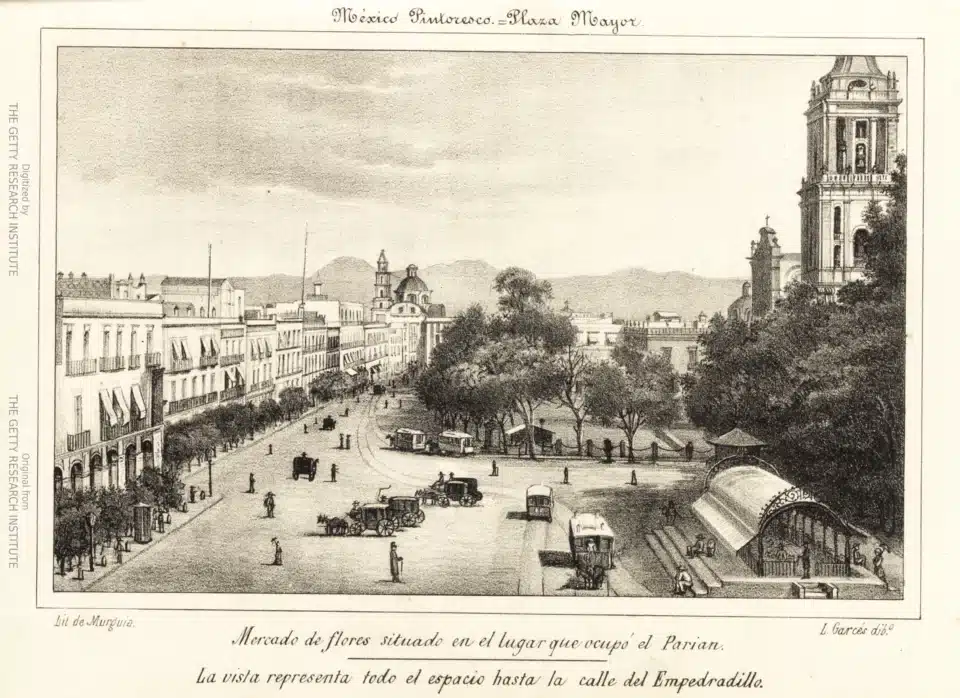
During the 16th century and subsequent centuries, the city attracted settlers of all kinds: indigenous peoples, Spaniards, Creoles, enslaved Africans, and mestizos. Este mosaico humano la convirtió en un espacio vibrante donde se mezclaban lenguas, oficios, festividades y prácticas culturales. Trade flourished in markets such as the Plaza Mayor, and the city became a hub for routes reaching as far as the Philippines and Europe.

Culture and religiosity
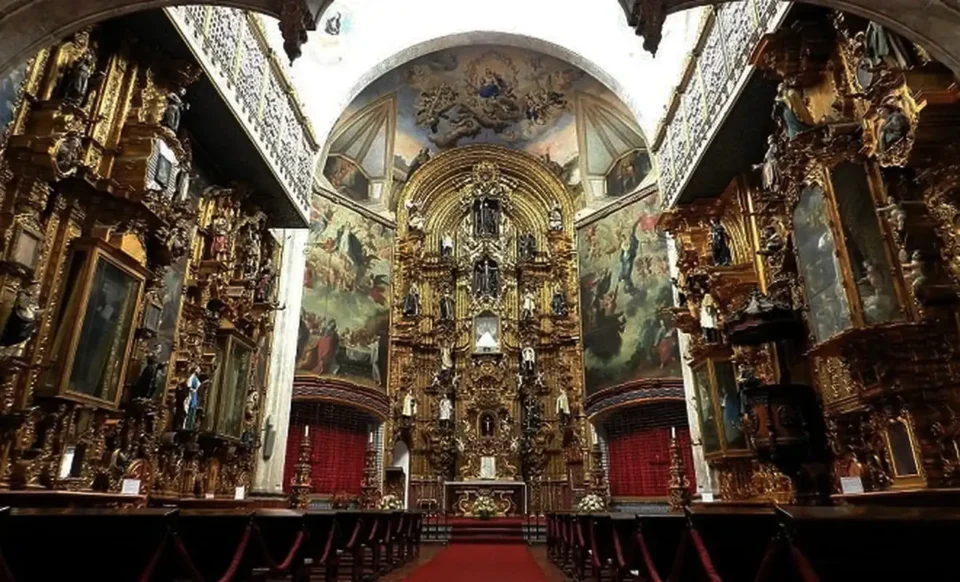
The capital was also a center of spiritual and cultural life. Convents and schools played a key role in evangelization and education, while the Metropolitan Cathedral became established as a symbol of ecclesiastical power. La vida cultural se enriqueció con el mestizaje de tradiciones indígenas y europeas, visible en la música, la gastronomía, el arte y las celebraciones religiosas.

Mexico City during Independence
In the 19th century, the city experienced decisive moments in national history. It was the scene of political tensions, conspiracies, and uprisings that reflected the desire for autonomy. After the entry of the Trigarante Army in 1821, Mexico City ceased to be the viceregal capital and became the capital of an independent country. Since then, it has become the political center of the new republic and the symbol of a Mexico under construction, marked by debates between federalism and centralism, as well as by internal struggles that would define the course of the nation.

Conclusion
The history of Mexico City is the history of a place of encounter, conflict, and cultural fusion. From its origins as Tenochtitlan, its central role in the Viceroyalty of New Spain, and its prominence in the Independence movement, the city has been the scene of processes that defined Mexico. Understanding its past means understanding how the political, social, and cultural heart of the country was forged.