Indigenous people in the viceroyalty of New Spain

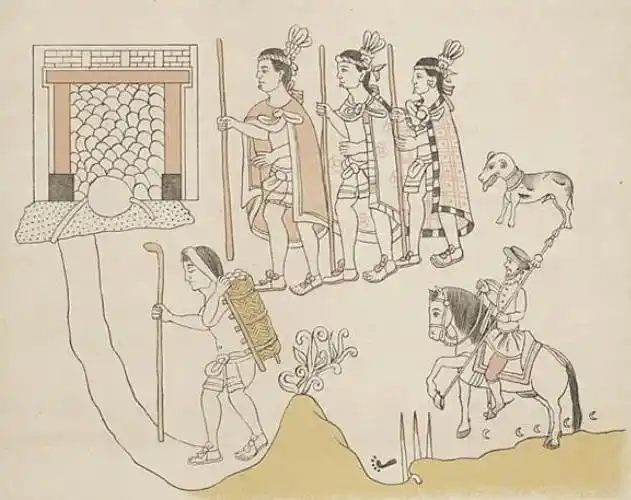
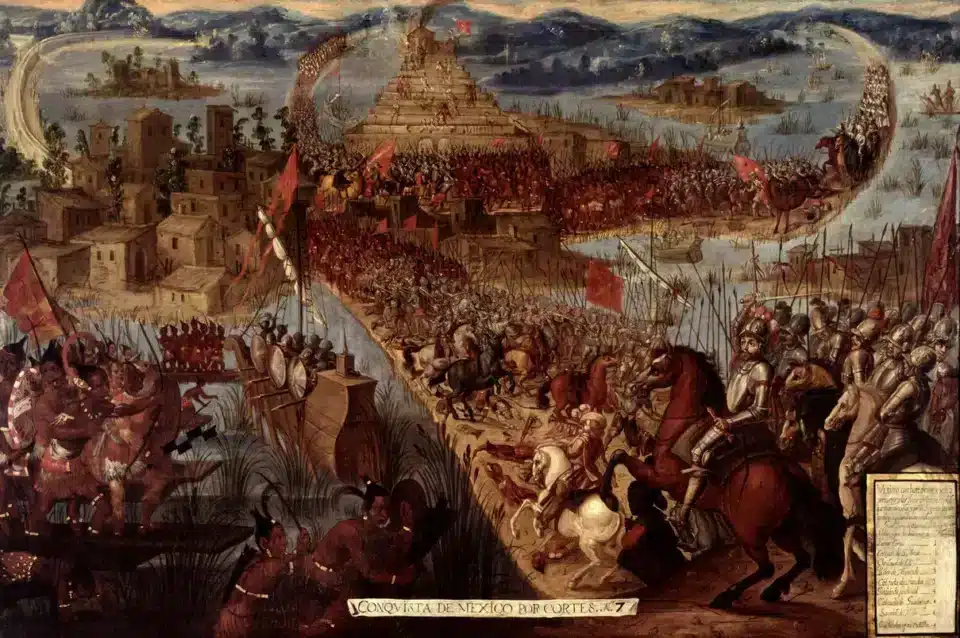
Entry of the Spanish into Chalco, on the road to Tenochtitlán
February 16, 2026

Indigenous livestock farming in the Viceroyalty of New Spain: wealth and social cohesion in the Mixteca region

In the 16th century, the Mixteca region stood out for its indigenous livestock wealth, which even surpassed that of Spanish landowners. This article analyzes how small livestock strengthened social cohesion and limited the expansion of large estates in the Viceroyalty of New Spain.
History of Mexico
Read More Indigenous livestock farming in the Viceroyalty of New Spain: wealth and social cohesion in the Mixteca region
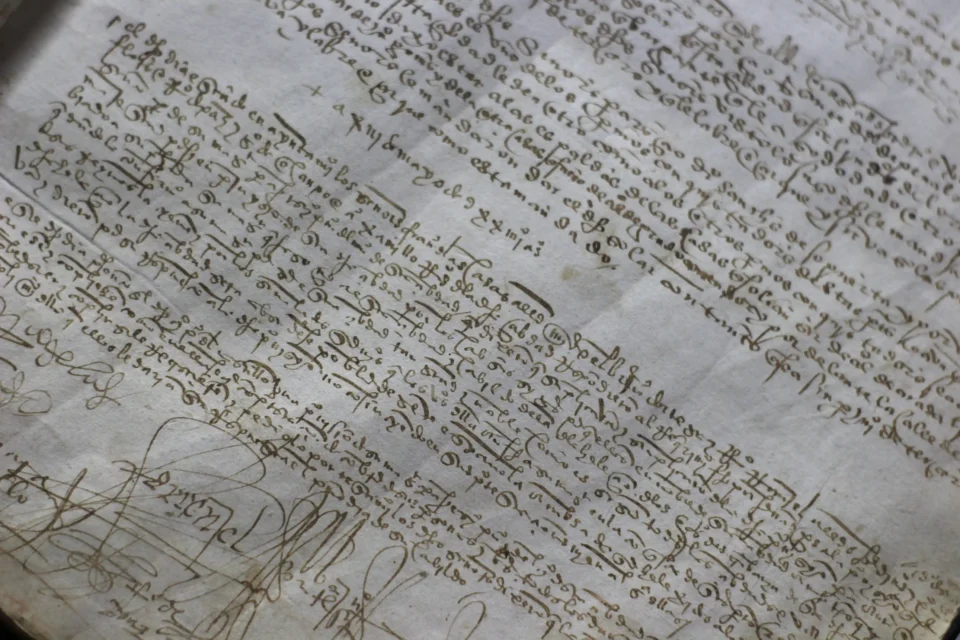
First minutes of the Mexico City Council
February 12, 2026

Indigenous councils and the “order of the republic”: political reorganization and control in the 16th century

Los cabildos indígenas fueron órganos clave en la reorganización política de la Nueva España durante el siglo XVI, actuando como intermediarios entre la Corona de Castilla y las comunidades locales, y mostrando un delicado equilibrio entre control virreinal y continuidad indígena.

History of Mexico
Read More Indigenous councils and the “order of the republic”: political reorganization and control in the 16th century
Miguel González and Juan González, 1698
February 10, 2026

The two republics in New Spain: indigenous peoples, Spaniards, and the viceregal social order (16th century)

Durante el siglo XVI, la Corona de Castilla organizó la sociedad novohispana bajo el modelo de las dos repúblicas: la de indígenas y la de españoles. Este artículo analiza su fundamento legal, su aplicación práctica y las tensiones que surgieron en la vida cotidiana del virreinato.

History of Mexico
Read More The two republics in New Spain: indigenous peoples, Spaniards, and the viceregal social order (16th century)
Descubrimiento del rio Mississipi
August 13, 2025

The taking of possession in New Spain: ritual, symbolism and justification of dominion.

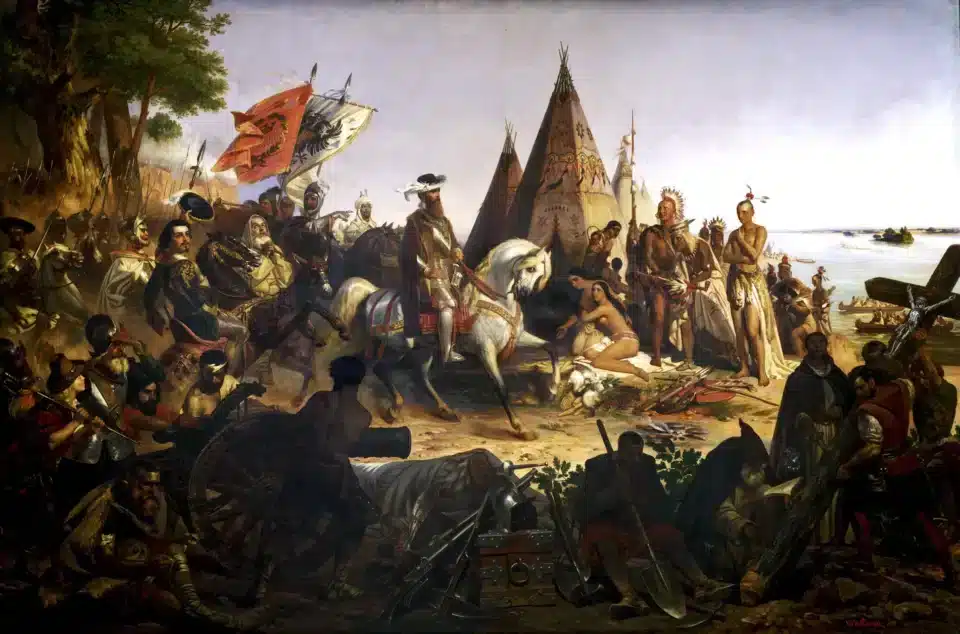
In 1598, Juan de Oñate took possession of lands in the north of the viceroyalty of New Spain. This act not only implied a legal procedure, but also a symbolic strategy to legitimize the dominion over territories already inhabited by indigenous peoples. In this article we analyze the context, the ritual and its implications, highlighting the tensions between the Castilian imperial order and indigenous ways of life and organization.
History of Mexico
Read More The taking of possession in New Spain: ritual, symbolism and justification of dominion.
Juan de Oñate
August 11, 2025

Juan de Oñate and the hard beginnings of New Mexico: ambitions, resistance and uprooting

Juan de Oñate’s entry into the northern territories in 1598 was an enterprise laden with imperial expectations and human frustrations. Under promises of wealth, evangelization and dominion, his expedition faced the harsh reality of the landscape, the resistance of the native peoples and the attrition of his own people. This article recounts the complex beginning of the so-called New Mexico, from the symbolic takeover to the disenchantment that accompanied its colonization.

History of Mexico
Read More Juan de Oñate and the hard beginnings of New Mexico: ambitions, resistance and uprooting
Expedicioines- hernan cortes y sus aliados indigenas
August 7, 2025

Territorial expansion in the origins of New Spain: alliances, exploration, and resistance

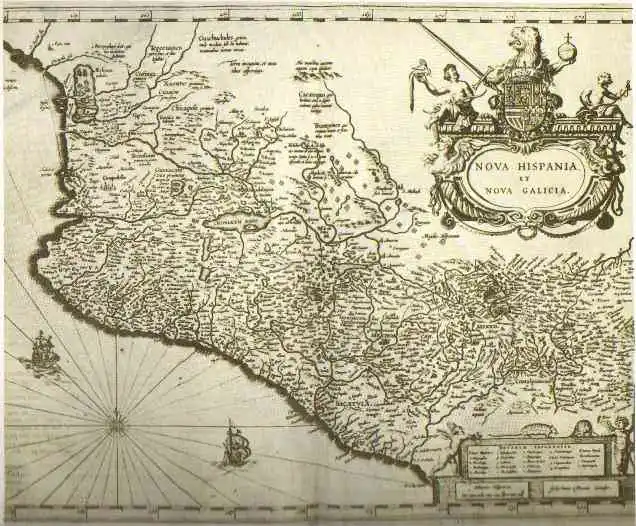
The territorial expansion that gave rise to New Spain combined exploration routes, rivalries between figures such as Cortés and Guzmán, and alliances with indigenous peoples such as the Tlaxcaltecs, Huejotzings, and Totonacs. But upon reaching the north, resistance from nomadic peoples completely transformed the strategies of the viceroyalty in formation.

History of Mexico
Read More Territorial expansion in the origins of New Spain: alliances, exploration, and resistance

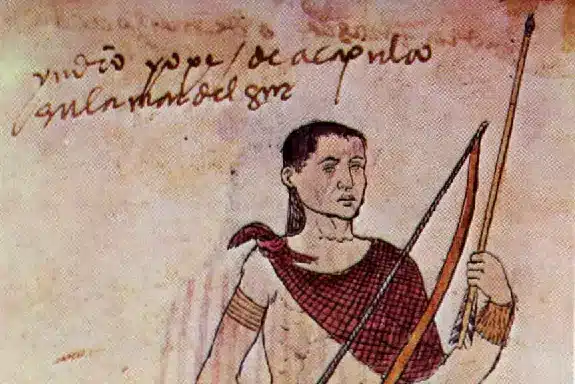
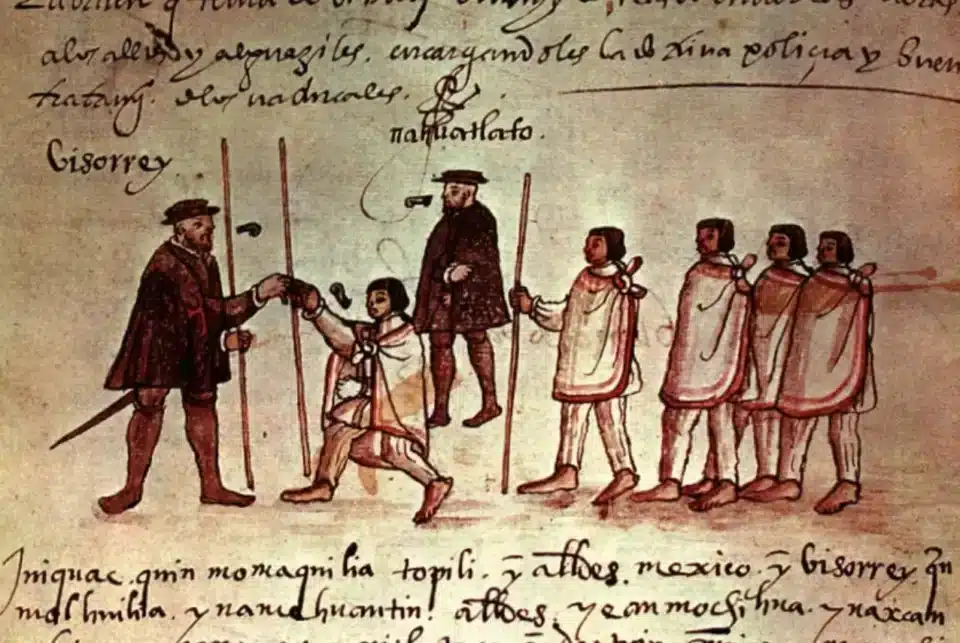
Indigenous people in the viceroyalty of New Spain: continuity, resistance and transformation.
The presence of indigenous peoples in the viceroyalty of New Spain was fundamental for the social, economic and cultural construction of the territory. Far from being passive actors, the indigenous people played a decisive role in the organization of work, the transmission of knowledge and the preservation of their identities. From 1521 to the 19th century, its history was marked by processes of adaptation, resistance and negotiation in the face of the viceregal system promoted by the Crown of Castile and the Catholic monarchy.

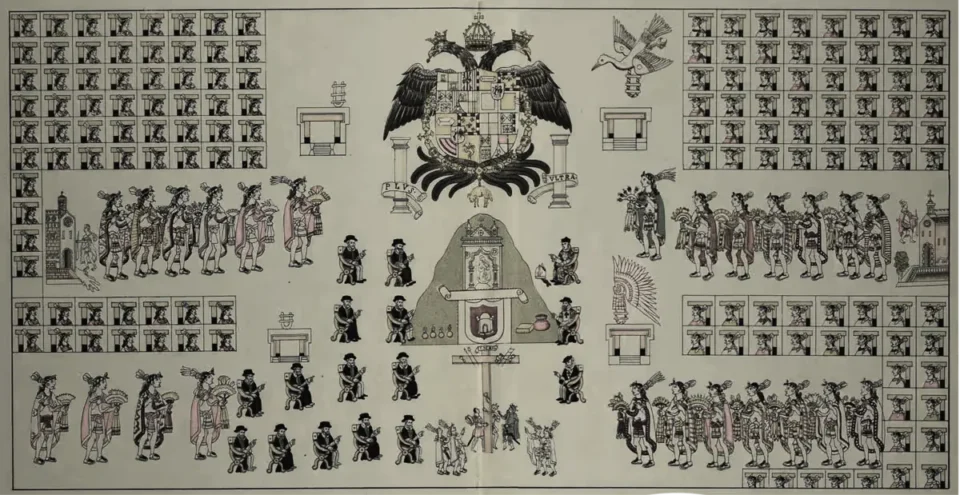
Political organization and indigenous cabildos
Although the viceregal administration introduced Castilian institutions, many towns retained their forms of government through the indigenous cabildos. These organizations, headed by caciques and principals, allowed them to maintain continuity in community life, while serving as a bridge with the viceregal authorities. In this space, matters of tribute, land and local justice were resolved.

Economics and taxation
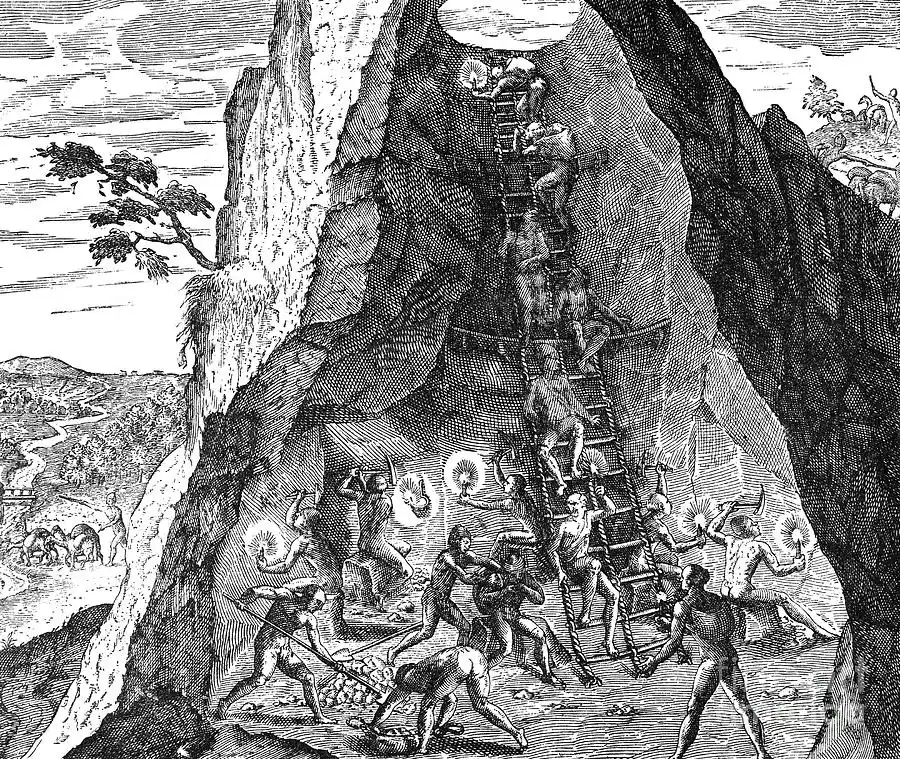
The native peoples were the basis of the New Spain economy. They were organized to support tribute in kind, such as corn, cotton or cocoa, and also with work in public works, agricultural estancias and mines. However, not everything was limited to taxation: communities found spaces to maintain their traditional agricultural practices, conserve communal lands and, on occasion, negotiate reductions in tax burdens.

Religion and cultural life
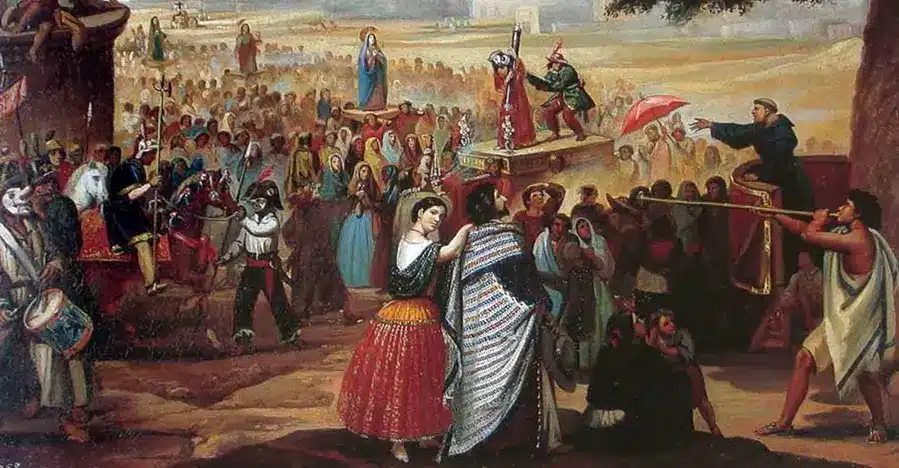
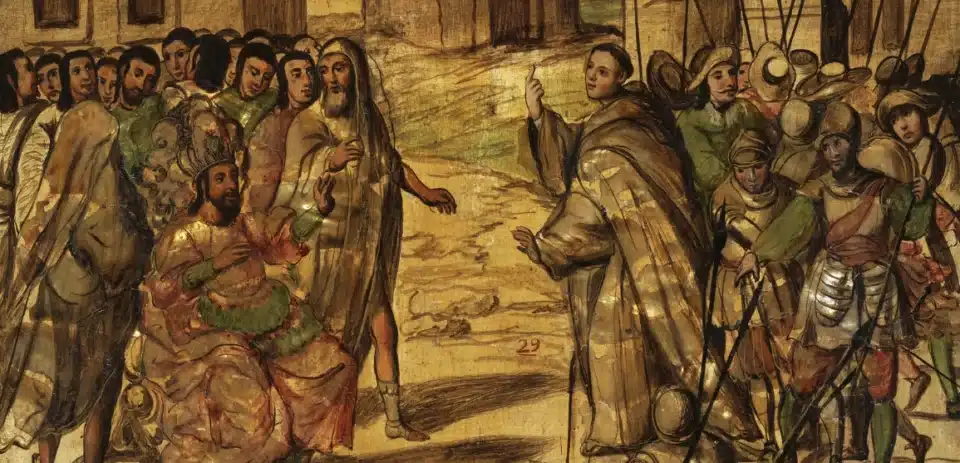
Evangelization transformed the indigenous spiritual world, but the communities reinterpreted Catholic symbols and integrated them into their worldview. This gave rise to mestizo religious expressions, such as patron saint festivals that are still celebrated today. Culturally, the indigenous peoples preserved languages, traditions and medical knowledge, which coexisted with European knowledge.

Resistance and mobility
Throughout the viceroyalty, many towns faced abuses by encomenderos, corregidores and hacienda owners. There were uprisings, migrations and forms of resistance ranging from flight to legal litigation in courts. Moreover, not all indigenous people remained in their villages of origin: some were integrated into the urban life of Mexico City and other cities, participating in trades, crafts and commercial networks.

Conclusion
The indigenous people in New Spain were essential protagonists of the viceregal period. Through strategies of resistance, adaptation and cultural continuity, they managed to keep their identities alive while contributing to the functioning of the viceroyalty. Its history shows the complexity of a process in which the peninsular power never managed to erase the strength and persistence of the native peoples.