Day of the Dead

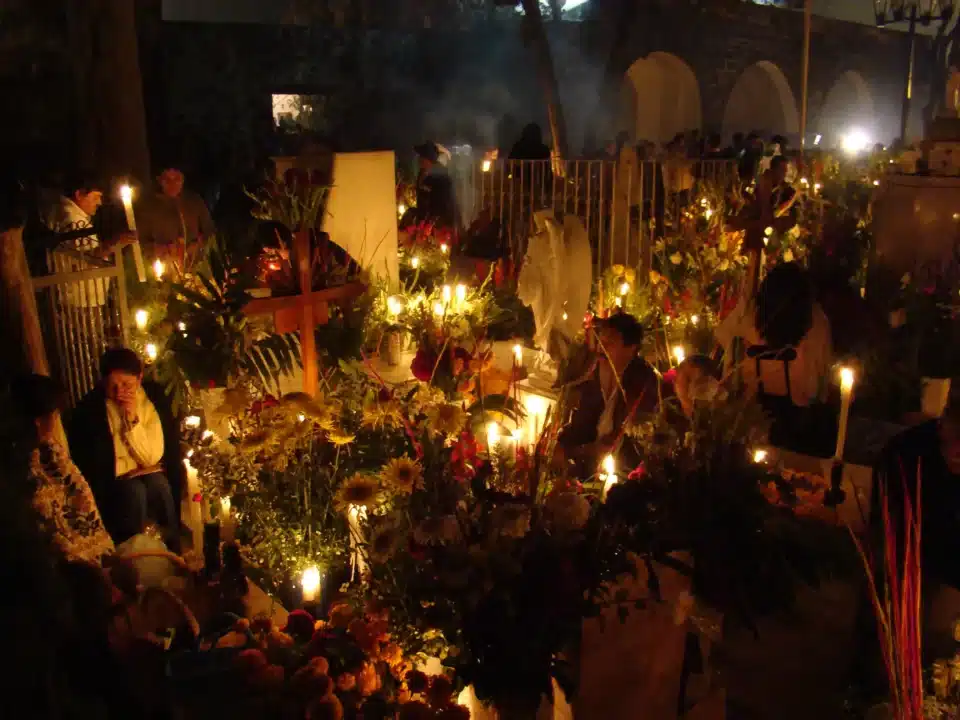
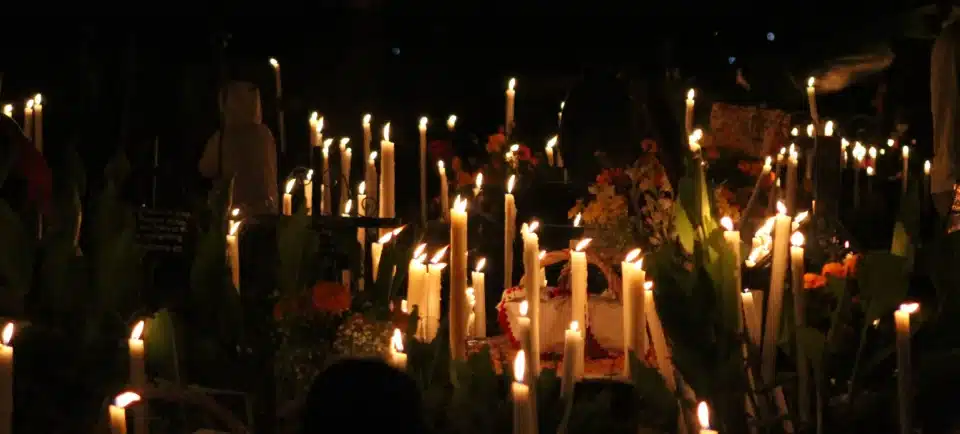
Scene of the Day of the Dead "alumbrada" in San Andrés Mixquic, Mexico City (November 2, 2009). Photo: Thelmadatter. License: CC BY-SA 3.0.
October 22, 2025

From evangelization to syncretism: the Days of the Souls in New Spain (predecessor of the modern Day of the Dead)

The Days of the Dead in New Spain were the result of the encounter between indigenous beliefs about death and the Catholic festivities instituted by Popes Gregory III and IV. This syncretism, promoted and tolerated by the friars, transformed the ancient ancestor cults into a mestizo celebration that endures in the Day of the Dead.

History of Mexico
Read More From evangelization to syncretism: the Days of the Souls in New Spain (predecessor of the modern Day of the Dead)
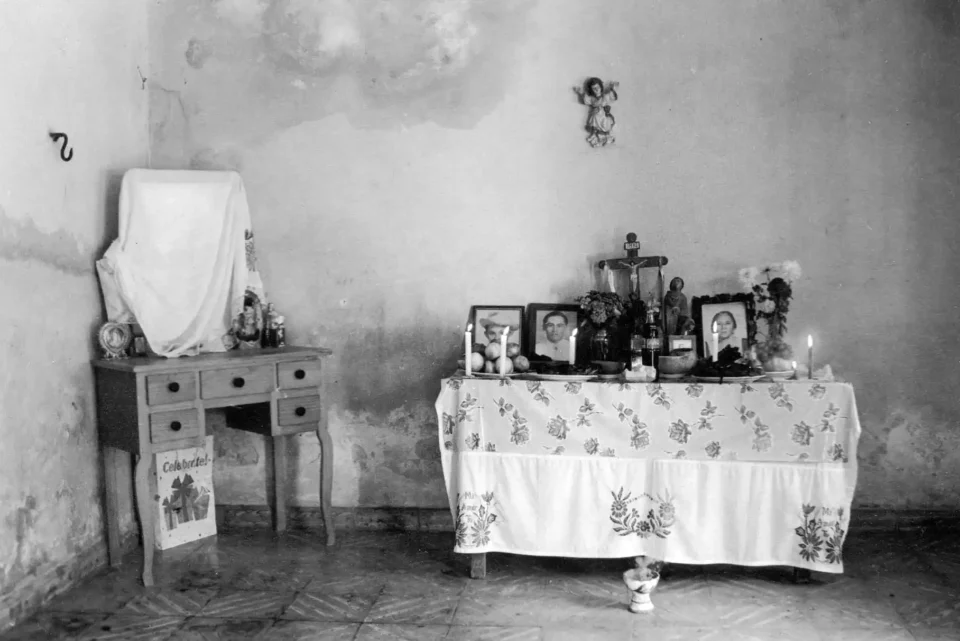
Altar de Hanal Pixán en Ucú, Yucatán; la familia cubrió el espejo para que el espíritu no se vea cuando acude a sus ofrendas. Foto: Juan Manuel Arana Ravell, 1 de septiembre de 2016. Licencia: CC BY-SA 4.0.
October 22, 2025

Day of the Dead altars and ofrendas: symbols of the reunion between the living and the dead

The Day of the Dead altars were born during the viceregal era as an adaptation of the indigenous offerings to the Catholic calendar. In them, the Spanish domestic altar and the Mesoamerican symbolic elements were united, giving origin to a tradition that even today preserves the cempasúchil, the bread of the dead and the memory of the ancestors.

History of Mexico
Read More Day of the Dead altars and ofrendas: symbols of the reunion between the living and the dead
Detalle del anverso de una mesa ofrenda del Día de Muertos. Fotografía: Smithsonian Institution, 2010. Licencia: CC BY-SA 2.0.
October 22, 2025

Lázaro Cárdenas and the transformation of the Day of the Dead: from the Days of the Dead to the Mexican national symbol.

The Days of the Souls, inherited from the Viceroyalty, survived wars and prohibitions until it was transformed into the modern Day of the Dead. Under the cultural impulse of Lázaro Cárdenas, this tradition became a symbol of Mexican identity.

History of Mexico
Read More Lázaro Cárdenas and the transformation of the Day of the Dead: from the Days of the Dead to the Mexican national symbol.