Evangelization

Scene of the Day of the Dead "alumbrada" in San Andrés Mixquic, Mexico City (November 2, 2009). Photo: Thelmadatter. License: CC BY-SA 3.0.
October 22, 2025

From evangelization to syncretism: the Days of the Souls in New Spain (predecessor of the modern Day of the Dead)

The Days of the Dead in New Spain were the result of the encounter between indigenous beliefs about death and the Catholic festivities instituted by Popes Gregory III and IV. This syncretism, promoted and tolerated by the friars, transformed the ancient ancestor cults into a mestizo celebration that endures in the Day of the Dead.
History of Mexico
Read More From evangelization to syncretism: the Days of the Souls in New Spain (predecessor of the modern Day of the Dead)

Evangelization in New Spain: friars, towns, and religious syncretism.
Evangelization in New Spain was one of the most decisive processes after the integration of the Mesoamerican territories into the Catholic monarchy system. Since the arrival of the first friars in 1524, the mission of the Catholic Church was to spread the Christian faith, reorganize the spiritual life of the indigenous peoples and ensure that religion became a pillar of the viceroyalty.

First religious orders
The evangelizing task began with the arrival of:

Franciscans (1524)

Dominicans (1526)

Augustinians (1533)

These friars founded convents, schools and temples, learned indigenous languages and elaborated catechisms in Nahuatl, Otomí, Zapotec and other languages to facilitate the teaching of Christian doctrine. Later, the Jesuits (1572) expanded evangelization to frontier areas and excelled in higher education.

Methods and strategies
Evangelization combined different methods:

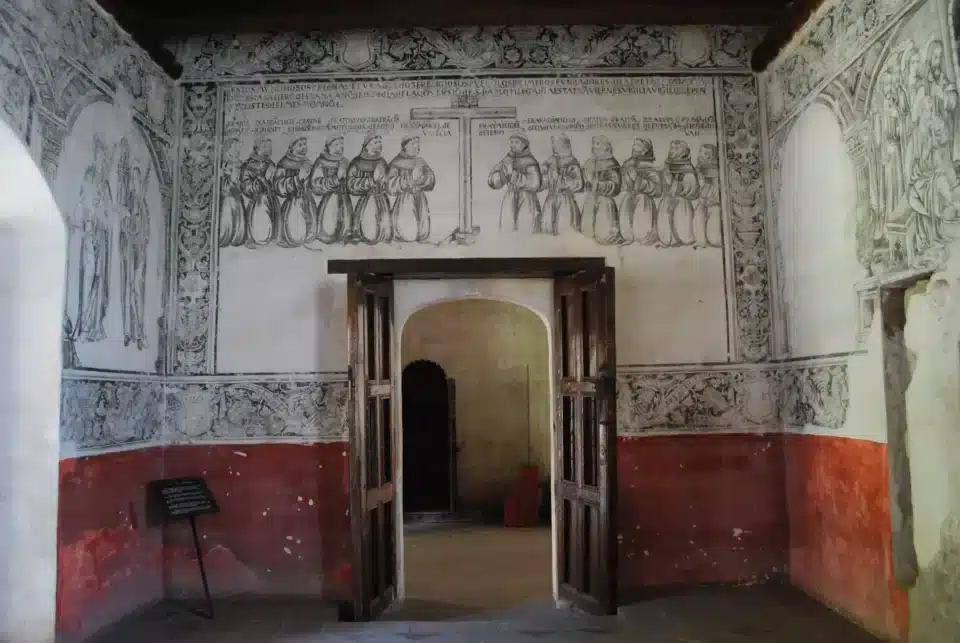
Construction of convents and open chapels, as massive spaces for preaching.

Teaching in the indigenous language, to transmit the catechism and the sacraments.

Education in schools, where the children of caciques and indigenous youths were trained in Christian doctrine and trades.

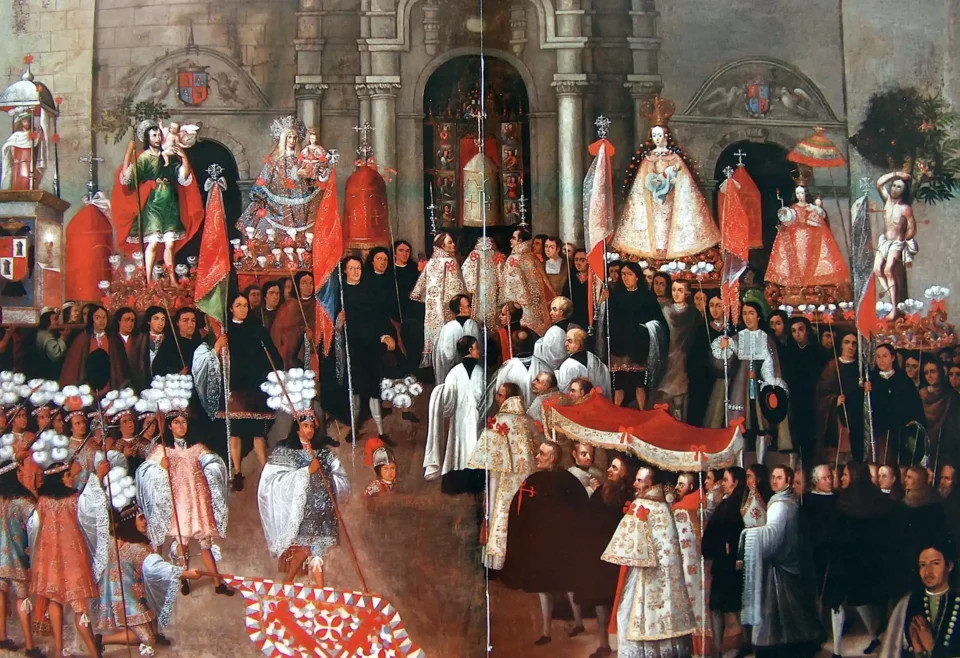
Religious festivals, processions and evangelizing theater, which facilitated the transmission of the faith through shared cultural elements.

Religious syncretism
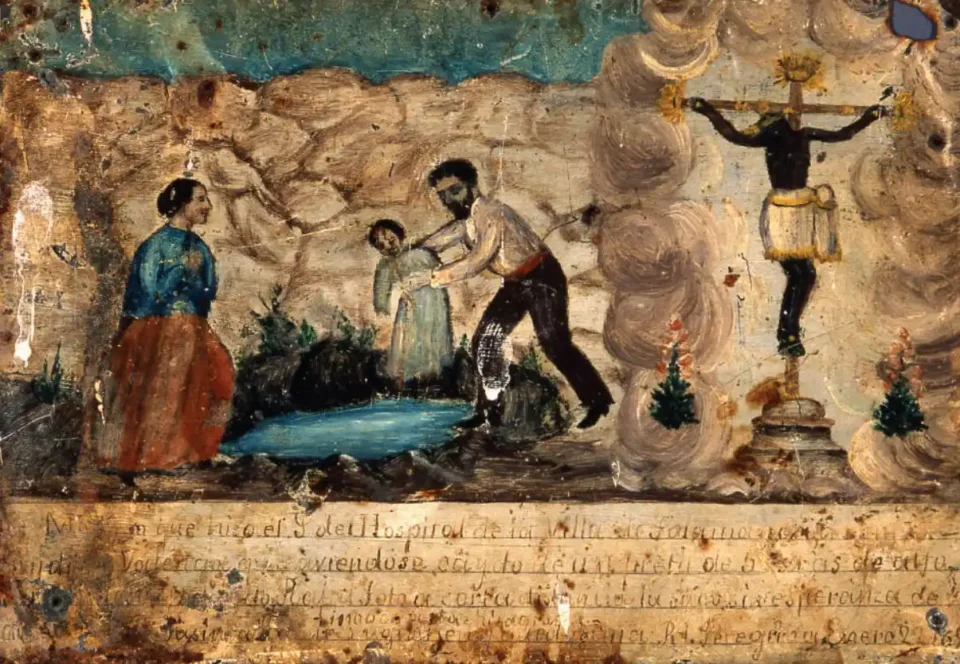
Far from eliminating pre-Hispanic beliefs, evangelization produced a syncretism. The indigenous peoples reinterpreted Christian symbols from their worldview. An example of this were the patron saint festivals, in which agricultural rituals were fused with Catholic celebrations, or the devotion to Guadalupe, which acquired strong roots in the seventeenth century.

Stresses and resistances
Evangelization was not without conflict. Some indigenous peoples resisted the abandonment of their gods and rituals, while others accepted the new practices, adapting them to their traditions. There were also tensions between the religious orders themselves and the secular clergy over who should administer parishes and communities.

Conclusion
Evangelization in New Spain was a complex process that transformed the spiritual, cultural and social life of the viceroyalty. Through the work of the friars, religious teaching and the indigenous reinterpretation of Catholic symbols, a mestizo religiosity was built that still endures in Mexico.