Viceroys of New Spain

Viceroys of New Spain: Royal Representatives in the Americas

The viceroys of New Spain were the direct representatives of the Crown of Castile in the Americas between 1535 and 1821. Their position embodied the authority of the monarch, and they were responsible for maintaining political, economic, military, and religious control over a vast territory that stretched from present-day Mexico to Central America, the Caribbean, and parts of the United States.

Main functions of the viceroy

The viceroy was the highest authority in the viceroyalty, though always subject to oversight by institutions such as the Royal Audiencia of Mexico and the Council of the Indies. Their main duties included:

  • Political governance: administering the colony and enforcing royal decrees.

  • Military defense: organizing armies and fortifications to protect the realm.

  • Justice: supervising audiencias and addressing abuses by officials.

  • Economy and tribute: overseeing taxation and silver mining, the backbone of the economy.

  • Church relations: under the Royal Patronage, collaborating in evangelization and appointing ecclesiastical authorities.

First viceroys and consolidation of the system

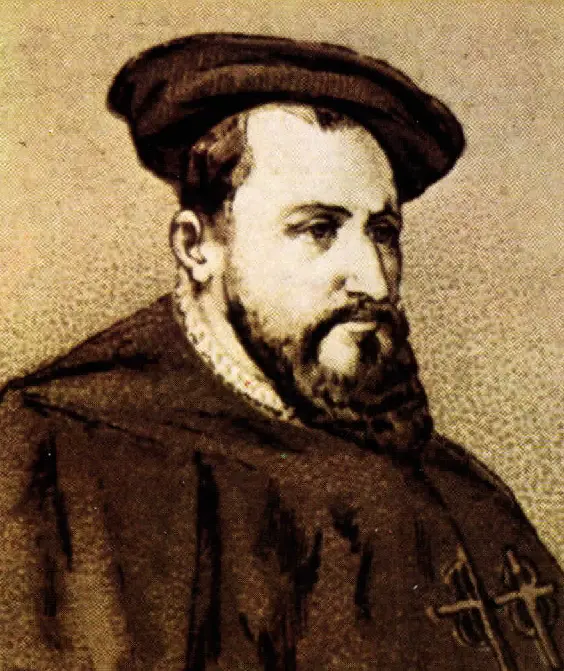
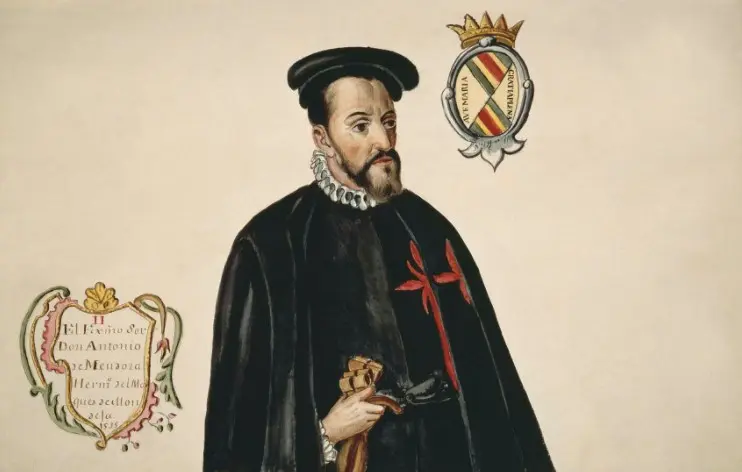
The first viceroy was Antonio de Mendoza (1535–1550), who established the foundations of viceregal governance, promoted stability, and oversaw early territorial expansion. He also strengthened Mexico City as the political and administrative capital of the viceroyalty.

Over time, different viceroys faced unique challenges:

  • In the 16th century, Indigenous resistance and expeditions into northern frontiers.

  • In the 17th century, economic crises and tensions with the Church.

  • In the 18th century, Bourbon Reforms aimed at modernizing administration and limiting the power of local elites.

The viceroy and colonial society

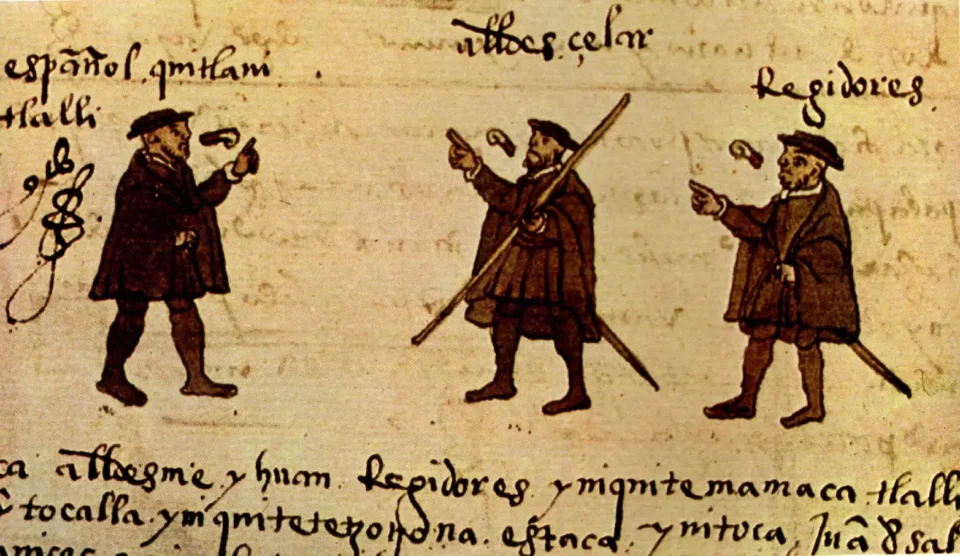
The viceroy’s figure was prestigious yet contested. Conflicts often arose with criollos, peninsulares, religious orders, and even Indigenous councils. At the end of their term, every viceroy faced a juicio de residencia—a mandatory review of their conduct and potential abuses in office.

Conclusion

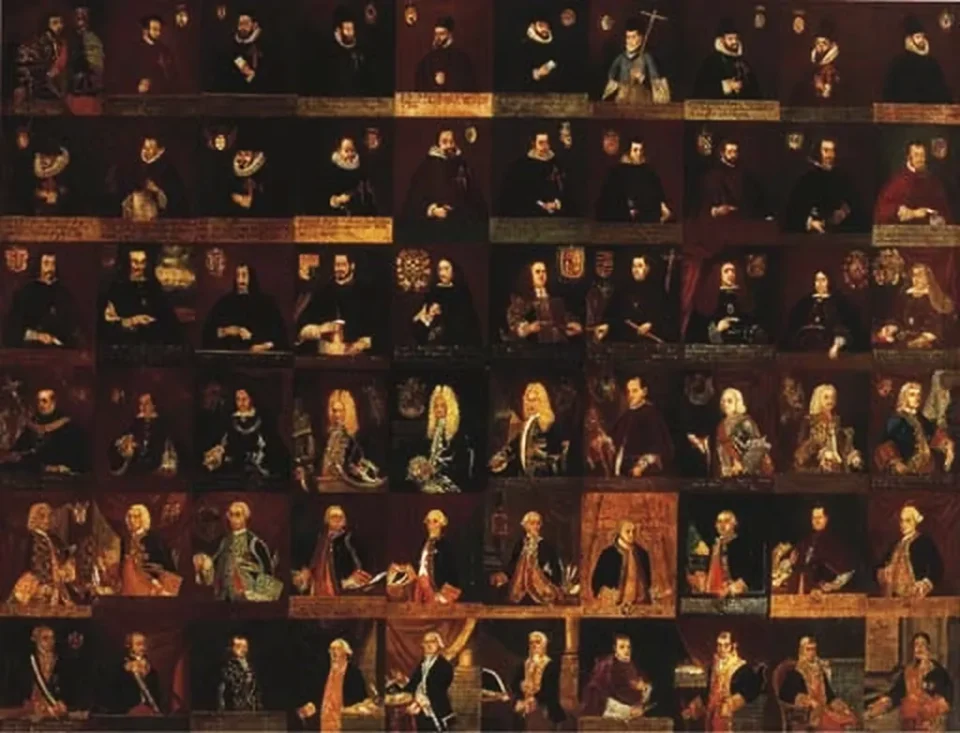
The viceroys of New Spain were key actors in sustaining the Catholic Monarchy’s authority in the Americas. More than sixty viceroys governed between 1535 and 1821, adapting to changing contexts and leaving their mark on the political, social, and cultural life of Mexico. Their role is crucial to understanding how viceregal power endured for nearly three centuries and how its legacy shaped the foundations of Independent Mexico.