Viceroyalty administration

Viceregal Administration in New Spain: Institutions, Control, and Power

The viceregal administration in New Spain was the political and legal system created by the Crown of Castile to govern and control the territories integrated into the Catholic Monarchy from 1535 onward. For nearly three centuries, this model combined Castilian institutions with adaptations to the American context, where Indigenous councils, local cabildos, and criollos also played important roles.

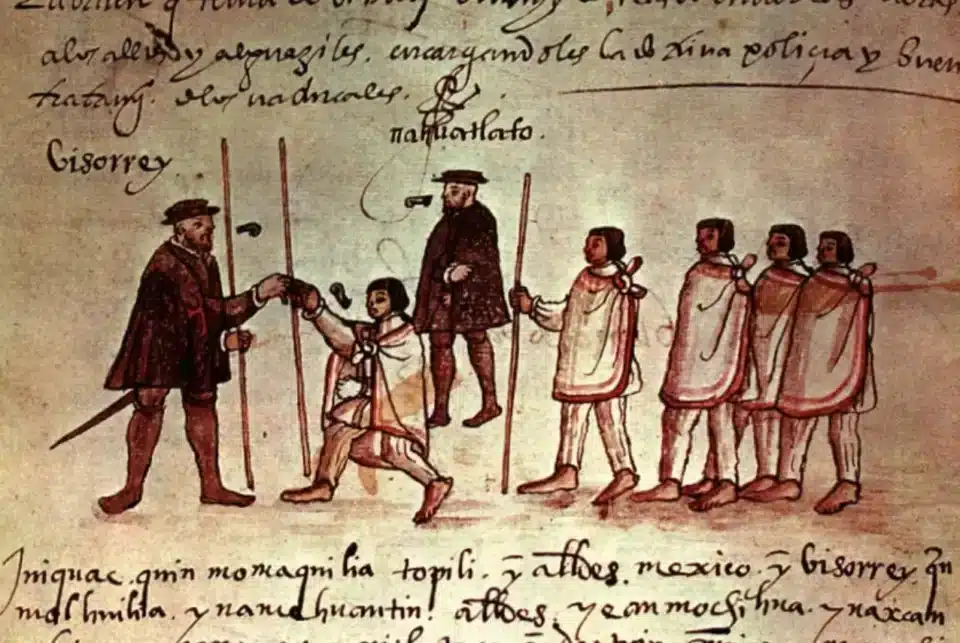
The viceroy: the king’s highest representative

The viceroy was the direct representative of the monarch and concentrated much of the viceregal power. His main responsibilities included:

  • Upholding justice and peace in the viceroyalty.

  • Directing military defense against internal and external threats.

  • Collecting tribute and overseeing economic matters.

  • Enforcing decrees issued by the Crown of Castile.

Despite his importance, the viceroy did not rule alone. His authority was closely supervised by other institutions to prevent abuses of power.

The Royal Audiencia and local cabildos

  • Royal Audiencia of Mexico: headquartered in the capital, it was central to justice administration and oversight of the viceroy. It resolved disputes over land, abuses by officials, and conflicts among communities.

  • Municipal cabildos (town councils): local governing bodies in which Spaniards, criollos, and sometimes Indigenous representatives participated. They regulated urban life, managed resources, and defended communal interests.

Institutions of oversight and control

To ensure proper governance, the monarchy created mechanisms of supervision:

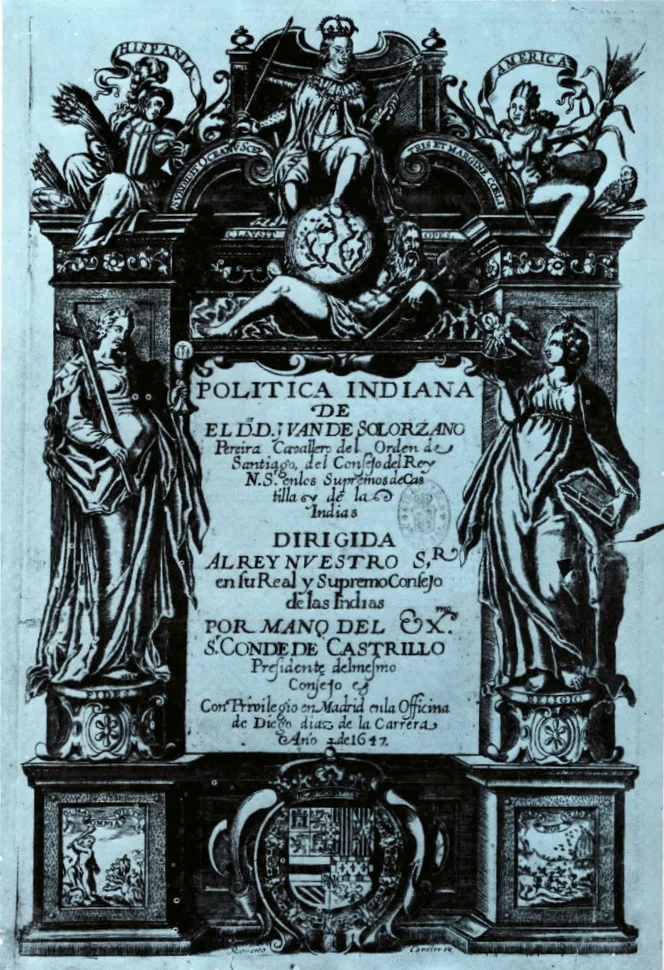
  • Council of the Indies: the highest authority in Spain, responsible for legislation and oversight.

  • Casa de Contratación: regulated trade and navigation with the Americas from Seville.

  • Visitas (inspections): extraordinary reviews of officials’ conduct.

  • Juicios de residencia: mandatory audits at the end of each viceroy’s or official’s term.

Local administration and Indigenous tensions

In towns and provinces, governance fell to corregidores and alcaldes mayores. Their management often clashed with Indigenous caciques and cabildos, who defended their lands, tributary arrangements, and communal autonomy. These conflicts highlight how the viceregal administration was not monolithic but rather a space of negotiation and contestation.

The Church and the Royal Patronage

The Catholic Church was an inseparable part of the administration through the Royal Patronage (Patronato Real), which granted the Crown authority to oversee evangelization and appoint ecclesiastical officials. Convents, schools, and parishes not only spread Christianity but also functioned as centers of education, charity, and social cohesion.

Conclusion

The viceregal administration was a complex framework that allowed the Crown of Castile to govern vast territories. Its institutions—from the viceroy and the Royal Audiencia to cabildos and the Patronato Real—ensured control while generating constant tensions and negotiations. Understanding this system is key to grasping the political, social, and cultural life of New Spain and its lasting influence on the foundations of independent Mexico.