Chichimecas

Expedicioines- hernan cortes y sus aliados indigenas
August 7, 2025

Territorial expansion in the origins of New Spain: alliances, exploration, and resistance

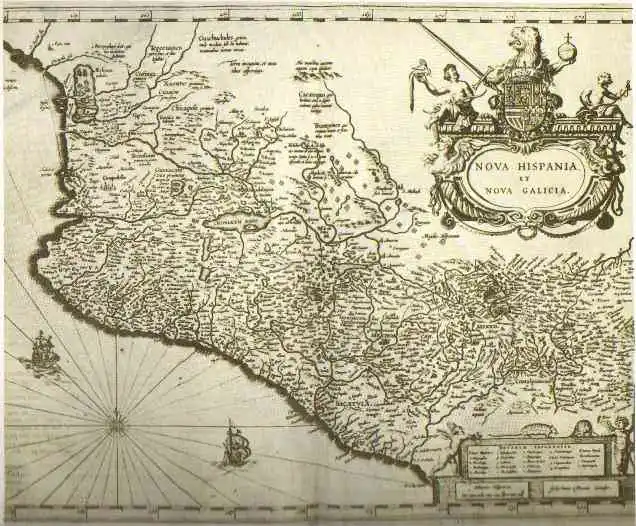
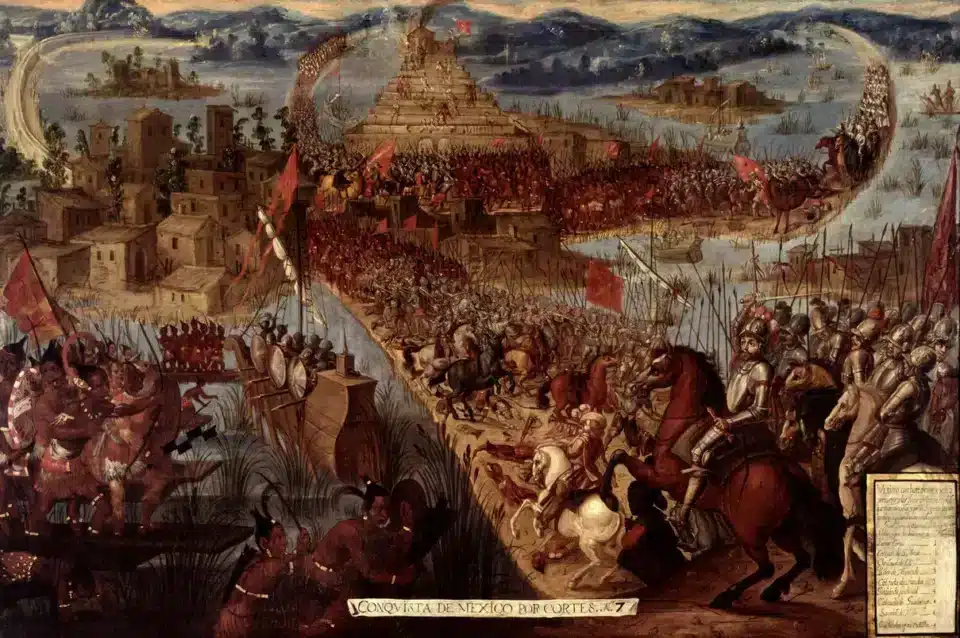
The territorial expansion that gave rise to New Spain combined exploration routes, rivalries between figures such as Cortés and Guzmán, and alliances with indigenous peoples such as the Tlaxcaltecs, Huejotzings, and Totonacs. But upon reaching the north, resistance from nomadic peoples completely transformed the strategies of the viceroyalty in formation.

History of Mexico
Read More Territorial expansion in the origins of New Spain: alliances, exploration, and resistance

Chichimecas: Northern Peoples and Their Resistance in New Spain

The Chichimecas were a group of nomadic and semi-nomadic peoples who inhabited the arid and semi-arid regions of northern Mesoamerica, in territories that today include Zacatecas, Guanajuato, San Luis Potosí, Aguascalientes, and parts of Querétaro. The name, originally given by other Mesoamerican peoples and later adopted by peninsular forces, encompassed diverse communities whose way of life was based on hunting, gathering, and, to a lesser extent, agriculture.

Identity and way of life

Although “Chichimeca” was used as a general label, it actually referred to different peoples, such as:

  • Guamares

  • Guachichiles

  • Pames

  • Zacatecos

  • Tecuexes

Their way of life was closely adapted to the harsh northern environment, with deep knowledge of plants, animals, and natural resources. Their mobility gave them a strategic advantage over organized armies, allowing them to strike quickly and retreat with ease.

Resistance against the viceroyalty

In the 16th century, the Chichimecas led one of the longest conflicts against viceregal expansion: the Chichimeca War (1550–1600). This resistance arose in response to the advance into northern mining regions and the abuses committed against Indigenous communities.

Using guerrilla tactics, caravan raids, and territorial defense, they proved difficult to subdue compared to sedentary Mesoamerican societies. Eventually, the Crown of Castile adopted a strategy of both “war and peace,” combining militarization with negotiations, the distribution of food, and the foundation of settlements with allied sedentary Indigenous groups such as the Tlaxcalans.

Historical legacy

The Chichimecas are remembered in Mexican history as a symbol of Indigenous resistance. Their defense of territory, cultural autonomy, and refusal to accept viceregal domination illustrate the diverse strategies Native peoples employed against Castilian expansion.

Today, their legacy remains alive in the regional identity of El Bajío and northern Mexico, as well as in the broader narrative of Indigenous struggles that shaped the 16th century.

Conclusion

The Chichimecas represent the story of free communities that firmly resisted the expansion of New Spain. Their defiance not only delayed viceregal control in the north but also forced the Catholic Monarchy to negotiate and acknowledge the strength of these peoples. Understanding their history is key to appreciating the cultural diversity and resilience of Mexico’s Indigenous communities.