Mexica Empire

Comreciantes Mexicas
July 28, 2025

The path of a pochteca (Mexica trader)

This Nahuatl text, collected by Sahagún’s indigenous informants and translated by Ángel María Garibay, reveals the initiatory journey of a young Pochteca. Through words loaded with symbolism and teachings, we learn about the physical, spiritual and emotional challenges of being a merchant in the Mexica world. An intimate portrait of the honor, effort and hope that drove these ancestral paths.
History of Mexico
Read More The path of a pochteca (Mexica trader)
Intercambio comercial de los mexicas
July 27, 2025

Mexica trade: routes, markets and the emerging strength of the Pochtecs

Trade was one of the key forces driving the power of the Mexica lordship. From local tianguis to the long-range routes organized by the Pochtecs, the exchange of products was much more than an economic activity: it was a strategy of expansion and prestige that consolidated political, military and cultural networks throughout Mesoamerica.

History of Mexico
Read More Mexica trade: routes, markets and the emerging strength of the Pochtecs
Plantas medicinales mexicas
July 27, 2025

Mexica agricultural work: labor diversity in the countryside

Agricultural work in the Mexica lordship was key to sustaining its economy. Different social groups, from calpulli peasants to tenant farmers and mayeque, actively participated in food production, with tasks differentiated according to their origin and link to the land. This system reflects the complexity of the Mexica social structure applied to the countryside.

History of Mexico
Read More Mexica agricultural work: labor diversity in the countryside
Mantas como tributo
July 26, 2025

The property regime in the Mexica lordship: power, prestige and social norms

In the Mexica lordship, property was not a simple right, but a symbol of prestige, bravery and belonging. This article analyzes how property, constructions and ways of life were regulated according to social rank, without delving into land, but highlighting the role of the calpulli and the symbolic function of objects and spaces.

History of Mexico
Read More The property regime in the Mexica lordship: power, prestige and social norms
Elustracion del codice florentino
July 26, 2025

Possession of land among the Mexica: territorial organization, rules and usufruct

La tierra en tiempos mexicas no era propiedad privada como la entendemos hoy, sino un recurso colectivo distribuido por calpullis y el Estado. Descubre cómo se organizaban las parcelas comunales, las tierras del templo y del ejército, así como las heredadas por los nobles por méritos o linaje.

History of Mexico
Read More Possession of land among the Mexica: territorial organization, rules and usufruct
Página del codice Cospi
July 25, 2025

Economic production and use of natural resources in the Mexica lordship

The history of the Mexica lordship cannot be understood without observing the close relationship between its lake environment and its capacity for adaptation. From their settlement on the island of Mexico-Tenochtitlan, the Mexica transformed a hostile landscape into an economic, political and cultural center of great importance. In this article we explore how the Mexica took advantage of the available natural resources and developed a complex system of production and trade that allowed them to sustain one of the largest cities in the pre-modern world.

History of Mexico
Read More Economic production and use of natural resources in the Mexica lordship
Periodo Postclasico
July 22, 2025

What was the Postclassic Period in Mesoamerica? A new stage of changes and transformations

The Mesoamerican Postclassic period marked a new stage after the collapse of the great Classic cities. It was a time of migrations, conflicts, political reorganization and the emergence of powerful states such as the Mexica. Far from being a dark period, it was an era of profound transformation and cultural expansion that prepared the ground for the great indigenous empires that Europeans would encounter centuries later.

History of Mexico
Read More What was the Postclassic Period in Mesoamerica? A new stage of changes and transformations

Mexica Civilization Power, Religion, and Legacy in Mesoamerica

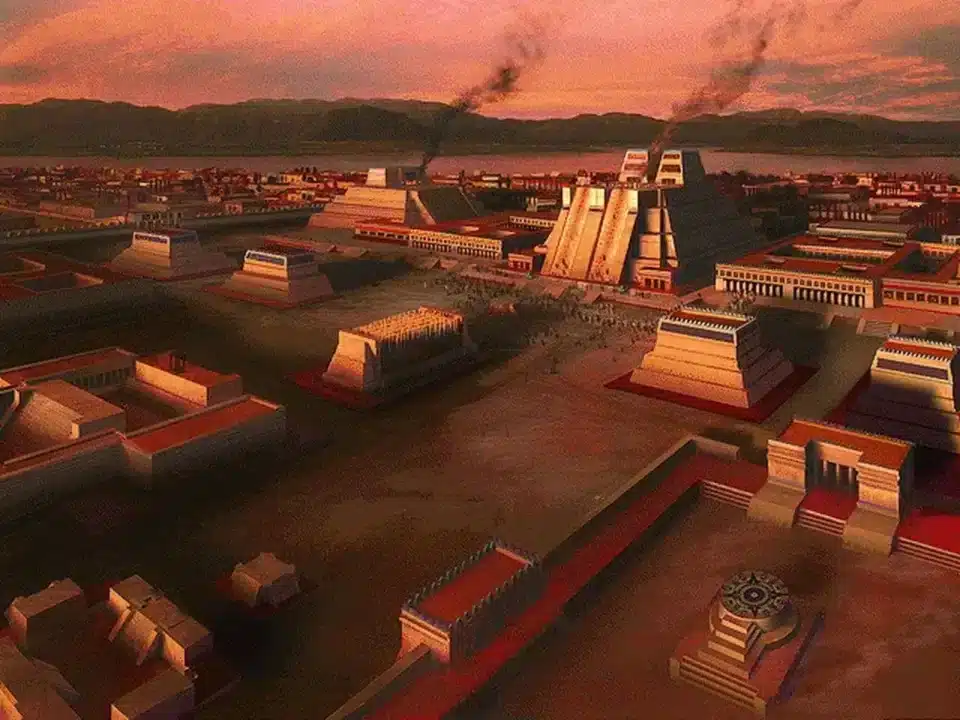
The Mexica civilization, also known as the Mexica lordship and the core of the Triple Alliance, was one of the most influential political formations in Mesoamerica during the Postclassic Period. Established in the central highlands in the 14th century, the Mexica rose from being a migrant people to becoming the center of a political, military, and tributary system that reached its peak in the 15th century, just before the arrival of peninsular forces and the military coalition of Cortés and his Indigenous allies.

Their capital, Mexico-Tenochtitlan, became one of the most impressive cities of the pre-Hispanic world, with complex networks of chinampas, causeways, temples, and markets that reflected the sophistication of their organization.

Political and social organization

Mexica power was structured through the Triple Alliance, formed by Tenochtitlan, Texcoco, and Tlacopan. Although power was formally shared, the Mexica lordship of Tenochtitlan exercised dominance. The tlatoani, supreme political and religious authority, led military expansion and legitimized his rule through religion.

Society was highly stratified: nobles, priests, warriors, merchants, artisans, and farmers, as well as tributary peoples. This organization sustained both the economy and the military-religious system.

Economy and trade

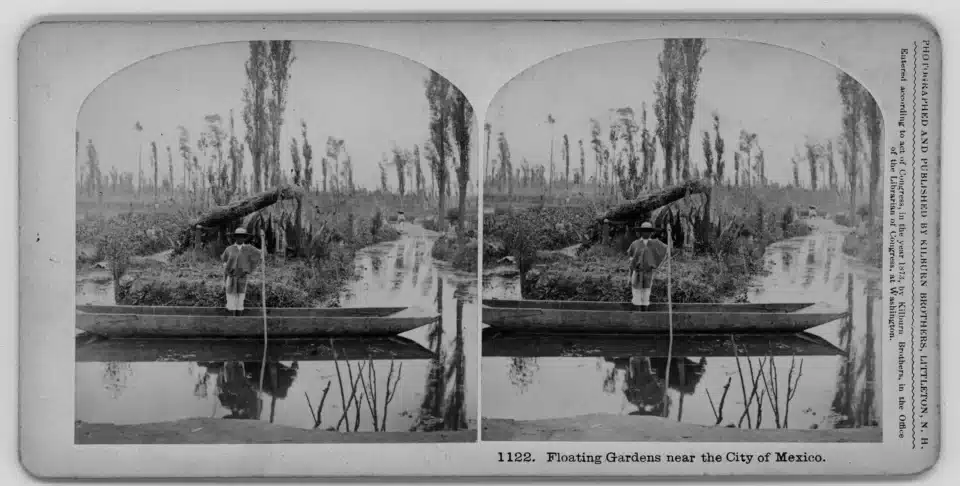
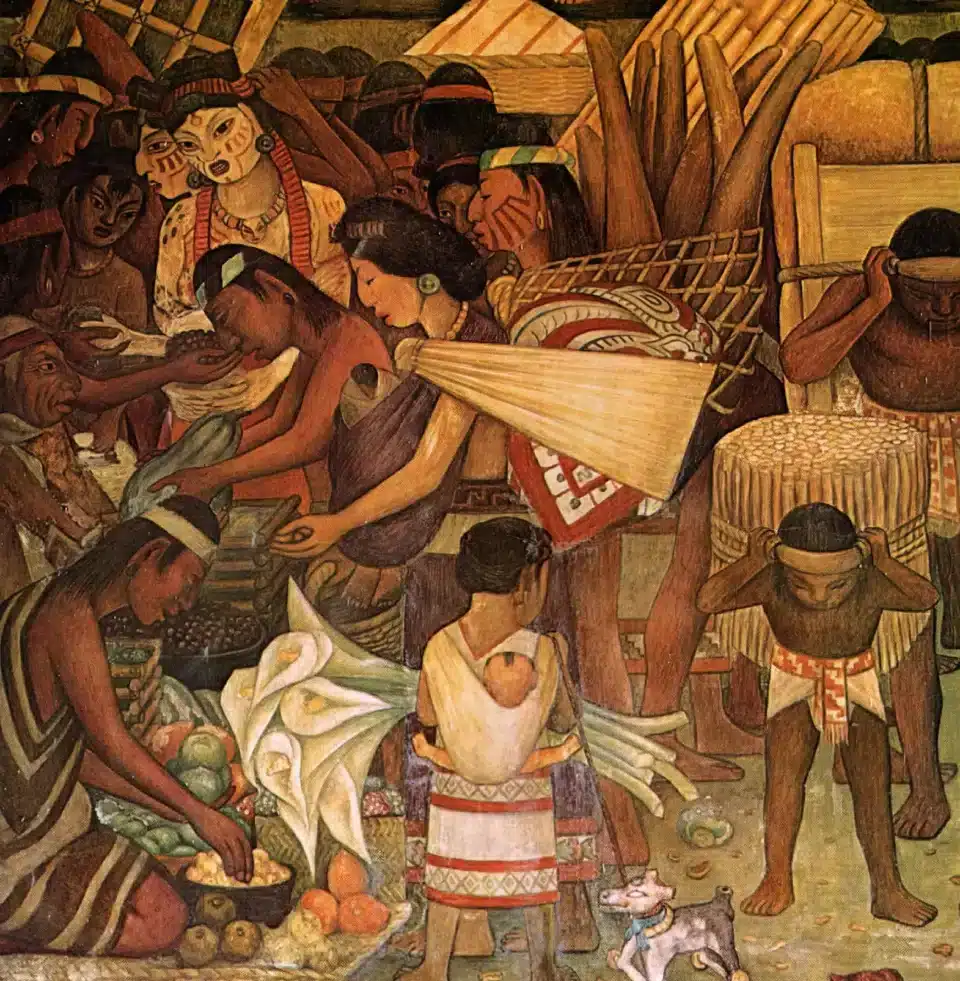
The Mexica economy relied on intensive agriculture, with innovations such as chinampas, which ensured abundant production of maize, beans, chili peppers, and squash. Tribute from allied or subjugated peoples provided a constant flow of goods such as cotton, cacao, feathers, and obsidian.

Trade was essential, and the pochteca (long-distance merchants) played a strategic role not only in distributing products but also in gathering political and military intelligence.

Religion and culture

Mexica worldview was deeply tied to warfare and agricultural cycles. Deities such as Huitzilopochtli, solar and war god, and Tlaloc, lord of rain, were central to their pantheon. Ritual sacrifice, linked to the idea of nourishing the gods to maintain cosmic balance, was a key aspect of their religion.

Culturally, the Mexica developed a rich tradition of poetry, sculpture, architecture, and codices. The monumentality of the Templo Mayor and the organization of the Tlatelolco marketplace remain testimonies of their splendor.

Conclusion

The Mexica civilization was one of the most powerful and complex expressions of Mesoamerica. Its expansion, religious worldview, and cultural achievements shaped history before the arrival of the peninsular powers. Understanding the Mexica lordship and its role in the Triple Alliance is essential to appreciating the richness and diversity of Mesoamerican heritage.