
Tenochtitlan

Tenochtitlan: Capital of the Mexica Lordship and Jewel of Mesoamerica

Tenochtitlan was the capital of the Mexica lordship and the core of the Triple Alliance, one of the most influential political systems of the Mesoamerican Postclassic Period. Founded in 1325 on an islet in Lake Texcoco, it became one of the most impressive cities of the pre-Hispanic world, with urban, military, and religious organization that astonished European chroniclers of the 16th century.

Foundation and growth

According to Mexica tradition, the city was founded when their ancestors encountered the sign promised by Huitzilopochtli: an eagle perched on a cactus devouring a serpent. From that moment, the Mexica began building a planned city with causeways, canals, and chinampas that fueled its agricultural and commercial growth.

Political and social organization

Tenochtitlan was the center of power in the Triple Alliance (together with Texcoco and Tlacopan). Its government was led by the tlatoani, the highest political and religious authority. Society was organized into calpullis (districts), where different groups coexisted:

  • Nobles and priests, responsible for political and religious power.

  • Warriors, essential for territorial expansion.

  • Merchants and artisans, who boosted the economy.

  • Farmers and tributaries, who sustained daily life and food supply.

Urbanism and architecture

The city stood out for its planning and monumental architecture:

  • Templo Mayor, the ceremonial heart dedicated to Huitzilopochtli and Tlaloc.

  • Causeways of Tlacopan and Tepeyac, linking the island to the mainland.

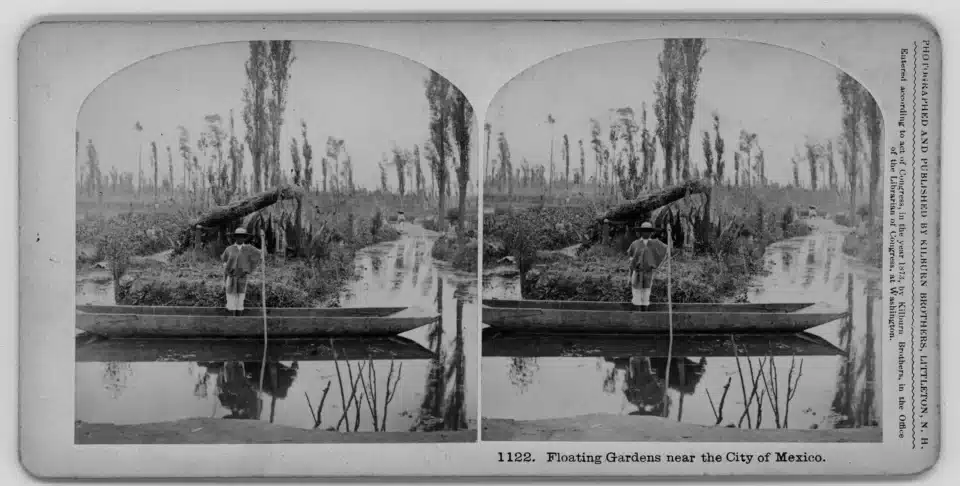
  • Chinampas, an innovative agricultural system that ensured food production.

  • Tlatelolco market, one of the largest commercial centers of Mesoamerica.

Religion and worldview

Life in Tenochtitlan was deeply influenced by religion. Rituals, festivals, and sacrifices sought to maintain cosmic balance and guarantee prosperity. Devotion to deities such as Huitzilopochtli, Tlaloc, and Quetzalcoatl structured spiritual life and legitimized political authority.

The fall and legacy

In 1521, the city was besieged and destroyed during the military coalition formed by Cortés and his Indigenous allies against the Mexica lordship. On its ruins, Mexico City was founded, later becoming the capital of the viceroyalty and eventually of independent Mexico.

Despite its destruction, the legacy of Tenochtitlan endures in historical memory, in archaeological remains such as the Templo Mayor, and in the national identity that honors it as a symbol of resistance and grandeur.

Conclusion

Tenochtitlan was more than a political capital: it was a religious, economic, and cultural hub that profoundly shaped Mesoamerican history. Its organization, agricultural innovations, and worldview made it one of the most fascinating cities of the ancient world.