
Xochimilco

Xochimilco: History, Chinampas, and Tradition in Mexico City

Xochimilco is one of the most emblematic places in Mexico City, famous for its chinampas, canals, and traditions that blend Mesoamerican heritage with viceregal influences. Recognized as a UNESCO World Heritage Site, Xochimilco is a space where history, culture, and nature coexist in harmony.

Pre-Hispanic origins

  • Founded by the Xochimilca people, it was an important part of the Mesoamerican Postclassic Period.

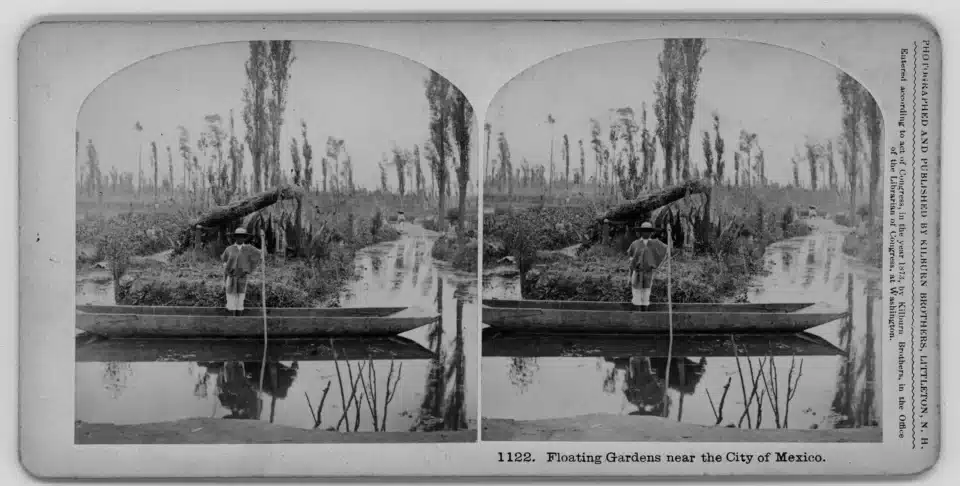
  • Its inhabitants developed the chinampa system, artificial agricultural islands that ensured food production in the Valley of Mexico’s lakes.

  • Integrated into the Mexica lordship, it became a key agricultural center supplying Tenochtitlan.

Xochimilco in New Spain

With the establishment of the viceroyalty, Xochimilco retained its importance as an agricultural and productive zone:

  • Religious orders, especially the Franciscans, founded temples and convents.

  • The trade of flowers, vegetables, and maize strengthened its connection with the viceregal capital.

  • It became a space where Indigenous practices and Christian traditions coexisted.

Living traditions

Xochimilco preserves customs that have endured for centuries:

  • Trajineras, colorful boats that navigate the canals, heirs to ancient canoes.

  • Patron saint and religious festivals, with processions both on land and water.

  • Flower Fair, celebrating its agricultural and cultural vocation.

  • Day of the Dead, with unique altars and celebrations on the chinampas.

Cultural and natural heritage

Today, Xochimilco is renowned for:

  • Its chinampas, an ancestral agricultural system still in use.

  • Its biodiversity, including the axolotl, an endangered endemic species.

  • Its role as a symbol of cultural continuity within Mexico City.

Conclusion

Xochimilco is more than a tourist attraction—it is a historical space where past and present intertwine. From its role in Mexica agriculture to its vibrant festivals today, it represents the vitality of Mexican traditions and the resilience of a community that keeps its cultural heritage alive.