Catholic Monarchy

Catholic Monarchy: Power, Religion, and Global Expansion

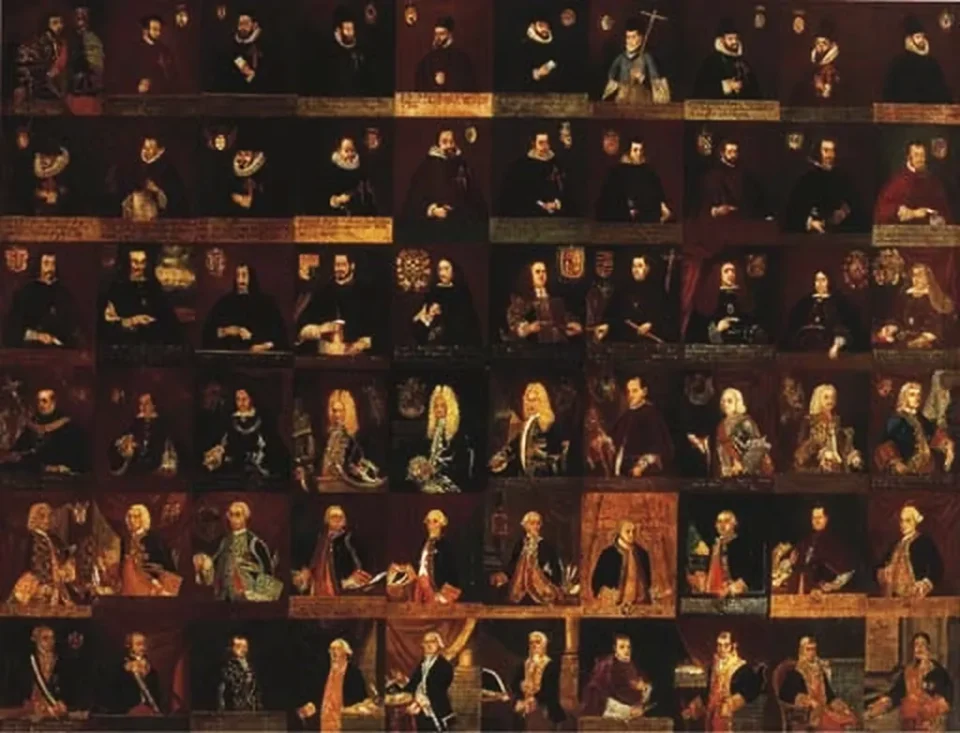
The Catholic Monarchy was the political system that unified the Iberian kingdoms under the authority of the Catholic Monarchs in the late 15th century, later becoming one of the most influential powers of the Early Modern period. Its name reflects the close alliance between the Crown and the Church, where religion served as both a pillar of legitimacy and a driving force for territorial expansion.

Origins and consolidation

  • Born from the dynastic union of Castile and Aragon through the marriage of Isabella I and Ferdinand II.

  • The monarchy assumed the mission of defending and spreading the Catholic faith as an essential part of its legitimacy.

  • The arrival and control of territories in the Americas integrated the Iberian kingdoms into a worldwide imperial system.

Relationship with the Church

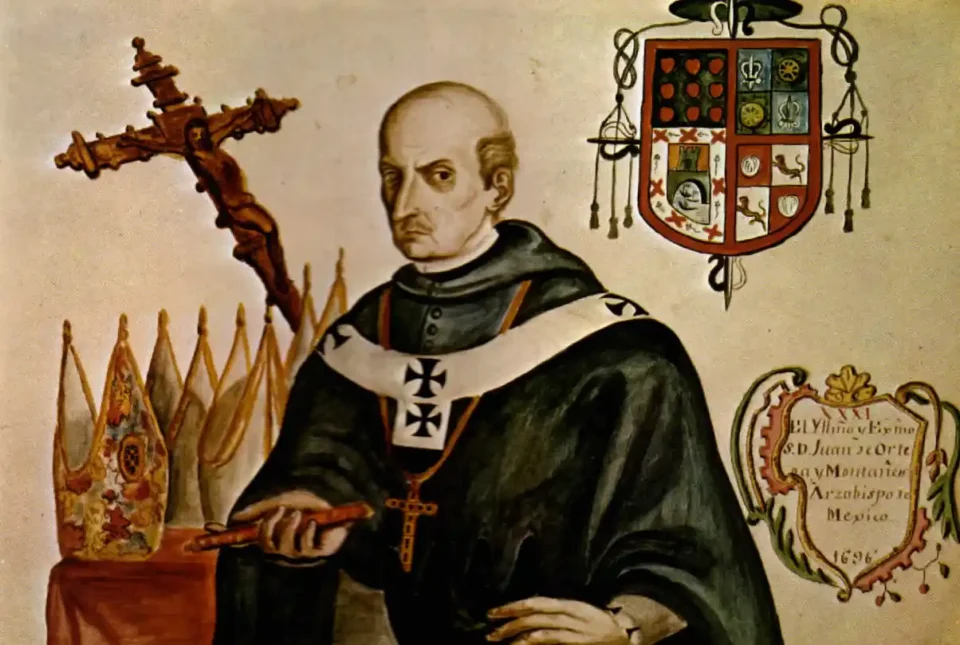
The strength of the Catholic Monarchy rested on the Royal Patronage, an arrangement that granted the Crown extensive powers over the ecclesiastical organization in the Americas:

  • The right to appoint bishops and clerics.

  • Administration of tithes and church property.

  • Oversight of religious orders and their missionary work.

Expansion and territorial control

The Catholic Monarchy became one of the largest global powers of its time:

  • The Americas, with territories organized into viceroyalties such as New Spain and Peru.

  • Asia and the Philippines, integrated into transoceanic trade networks.

  • Europe, where the monarchy engaged in numerous wars to defend its political and religious interests.

Tensions and transformations

The Catholic Monarchy constantly faced challenges:

  • Internal conflicts due to the diversity of kingdoms and territories.

  • Rivalries with European powers such as England, France, and the Netherlands.

  • Economic crises fueled by ongoing wars and reliance on American silver.

Conclusion

The Catholic Monarchy was more than a political system—it was a religious and political model that shaped the history of Europe and the Americas for centuries. In the case of Mexico, it meant the incorporation of Mesoamerican territories into a global order structured under viceregal institutions, where faith and royal authority were inseparably intertwined.