
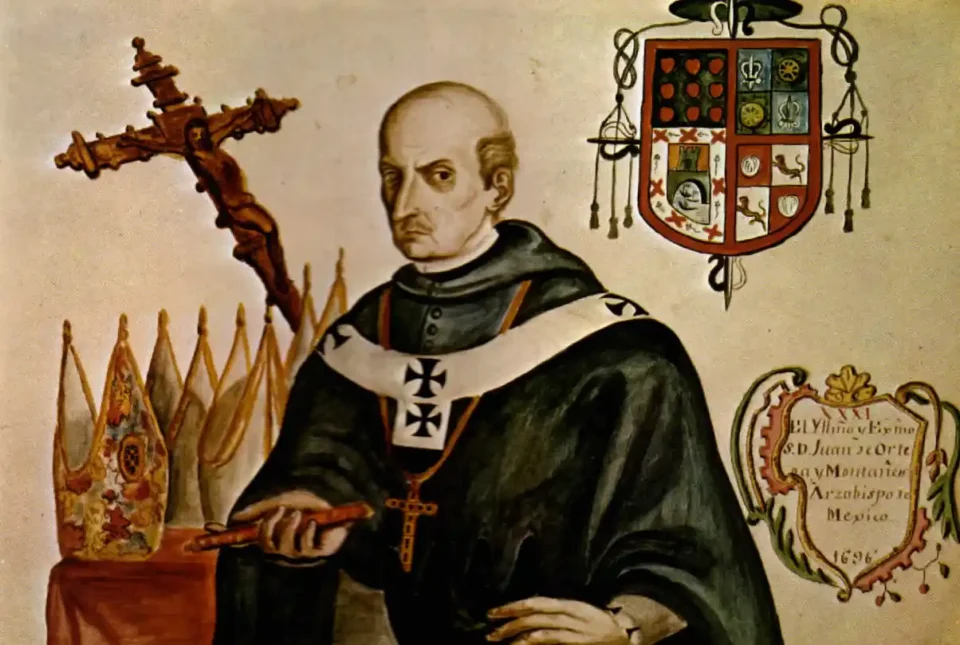
The 17th century in New Spain was far from being a time of calm. Far from harmonious coexistence, the highest viceregal and ecclesiastical authorities were involved in power clashes that led to riots, dismissals and political crises that called into question the authority of the Catholic monarchy in America.
Among the most remembered episodes is the riot of 1624, when the rivalry between the viceroy Marquis of Gelves and Archbishop Juan Perez de la Serna literally set the capital on fire. Years later, in 1641, the fear of the Portuguese after Portugal’s independence ignited suspicions of a rebellion within the Novo-Hispanic elite itself.
The riot of 1624: viceroy vs. archbishop
The Marquis of Gelves came to the viceroyalty determined to combat abuses, especially the hoarding of corn. His strict measures earned him powerful enemies, among them merchants, clergymen and nobles. His main opponent was Archbishop Juan Pérez de la Serna, an inflexible character who did not hesitate to assert ecclesiastical authority.
Tension exploded when the archbishop excommunicated officials close to the viceroy and decreed the suspension of religious worship in the capital. The conflict escalated to the point that, in January 1624, an angry crowd took to the streets of Mexico City, attacked the viceregal palace and forced the viceroy to flee in disguise. The Audiencia disowned his government and returned the archbishop to the capital amidst cheers.
This mutiny was an example of how the rivalry between civil and ecclesiastical authorities could unleash a crisis of governance in the heart of the viceroyalty.
1641: fear of the Portuguese
The independence of Portugal that same year unleashed alarm in New Spain, where an important community of Portuguese resided, many of them dedicated to commerce and others identified as Judeo-converts.
The viceroy Duke of Escalona, cousin of the king of Portugal, was accused of sympathizing with his countrymen and of planning an uprising. Although a real conspiracy was never proven, the climate of distrust led to the imprisonment of numerous Portuguese and Jews.
The strongest denunciation came from the bishop of Puebla, Juan de Palafox y Mendoza, a political rival of the viceroy. The result was the removal of the Duke of Escalona and the appointment of Palafox as archbishop-viceroy, a move that reinforced the idea that internal struggles could redefine the course of the viceroyal government.
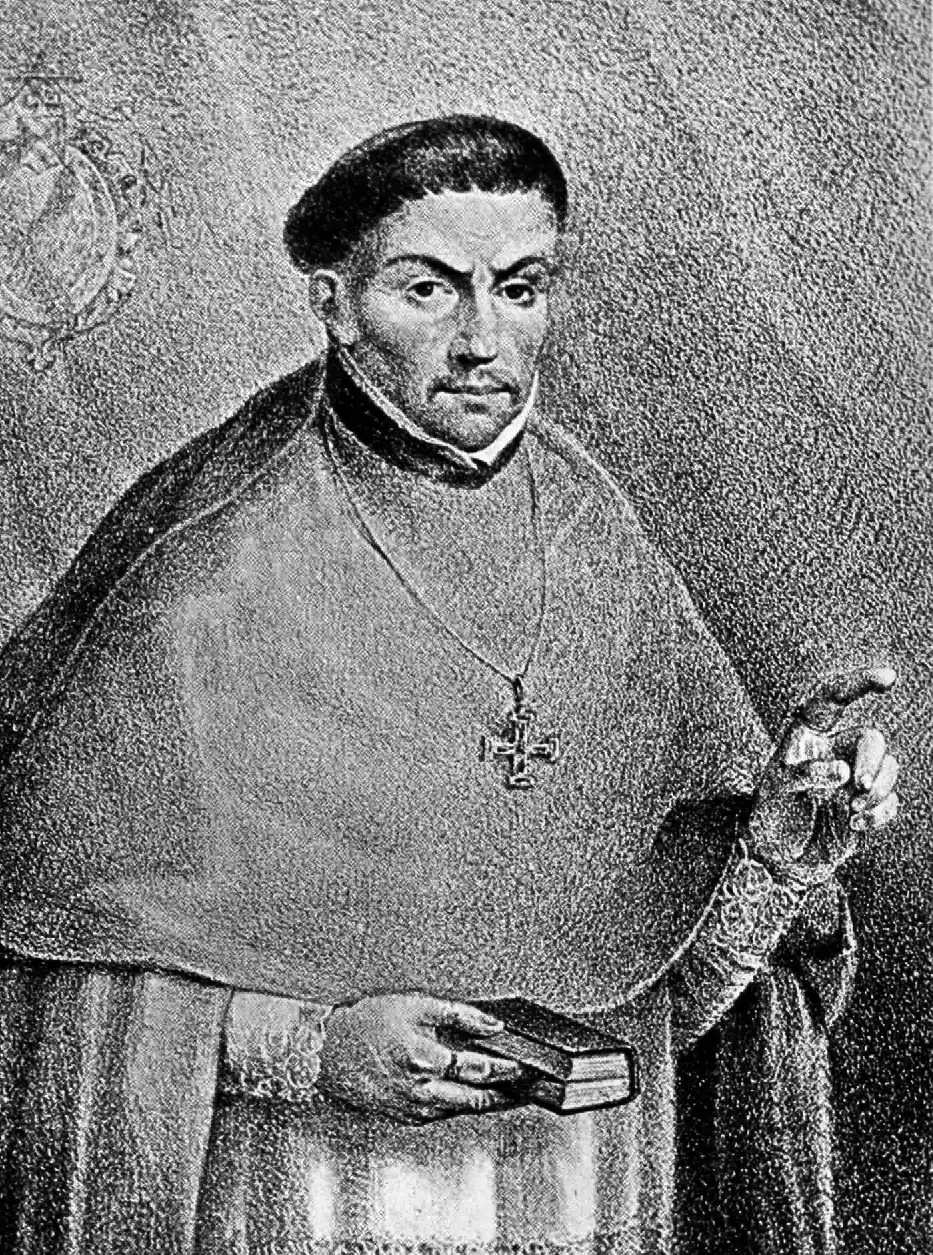
(Source: Atlas Pintoresco, by Antonio García y Cubas).
Constant lawsuits: viceroys, ombudsmen and clerics
The mutiny of 1624 and the Portuguese case of 1641 were not isolated exceptions. Throughout the 17th century, conflicts between viceroys, audiences and bishops multiplied.
Already in 1578, for example, Viceroy Martín Enríquez confronted Franciscan Friar Francisco de Rivera; in 1588, the Viceroy Marquis of Villamanrique clashed with the Audiencia of Nueva Galicia; and in 1624, as we have seen, the conflict with the archbishop unleashed the greatest political revolt of the century.
These lawsuits reveal that the political life of New Spain was marked by the fragility of the balance between civil and ecclesiastical power, both with great legitimacy in the eyes of the population.
Conclusion
The lawsuits between viceroys and archbishops in the 17th century show that New Spain was not a pacified territory, but a space where authority had to be constantly negotiated.
The mutiny of 1624 and the Portuguese crisis of 1641 show that the Catholic monarchy not only faced indigenous or Afro-descendant rebellions, but also internal fractures among its own peninsular elites. These conflicts left a clear lesson: the governability of the viceroyalty depended as much on military control as on the delicate balance between political and religious power.
–