
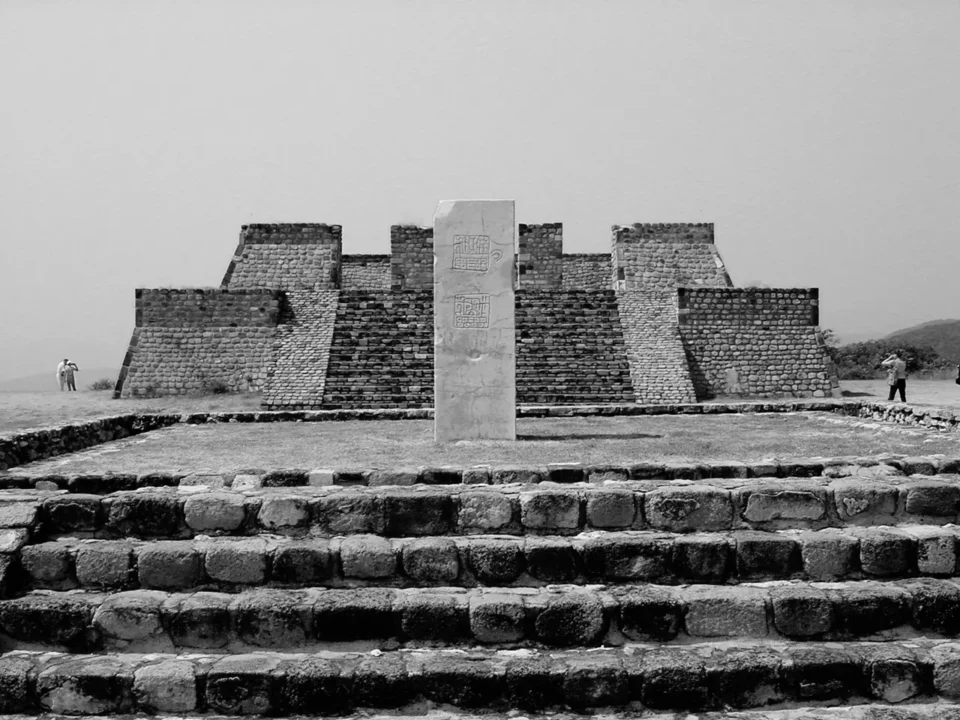
Classical Period

Xochicalco, Mexico
July 22, 2025

The language of ceramics at Teotihuacan and Xochicalco: what the fragments of the past reveal to us

Pottery is much more than just fragments of clay: it is a window into the Mesoamerican past. This article explores how finds at Xochicalco reveal connections with Teotihuacán and other cultures, showing that this site was a key point of encounter, science and art between the 6th and 10th centuries AD.

History of Mexico
Read More The language of ceramics at Teotihuacan and Xochicalco: what the fragments of the past reveal to us

Mesoamerican Classic Period: Urban and Religious Splendor

The Mesoamerican Classic Period (ca. 200 CE–900 CE) was one of the brightest eras in the history of Mesoamerica. During these centuries, great cities flourished, religious and political centers consolidated, and complex systems of writing, calendars, and trade emerged—marking a turning point in the region’s development.

Main characteristics

  • Urbanization: monumental cities such as Teotihuacan, Monte Albán, and the great Maya centers rose to prominence.

  • Religion and worldview: temples and pyramids reflected the importance of cosmic order and agricultural rituals.

  • Culture and knowledge: advances in art, astronomy, architecture, and sculpture flourished.

  • Regional trade: extensive networks exchanged obsidian, jade, cacao, and precious feathers.

Representative cities

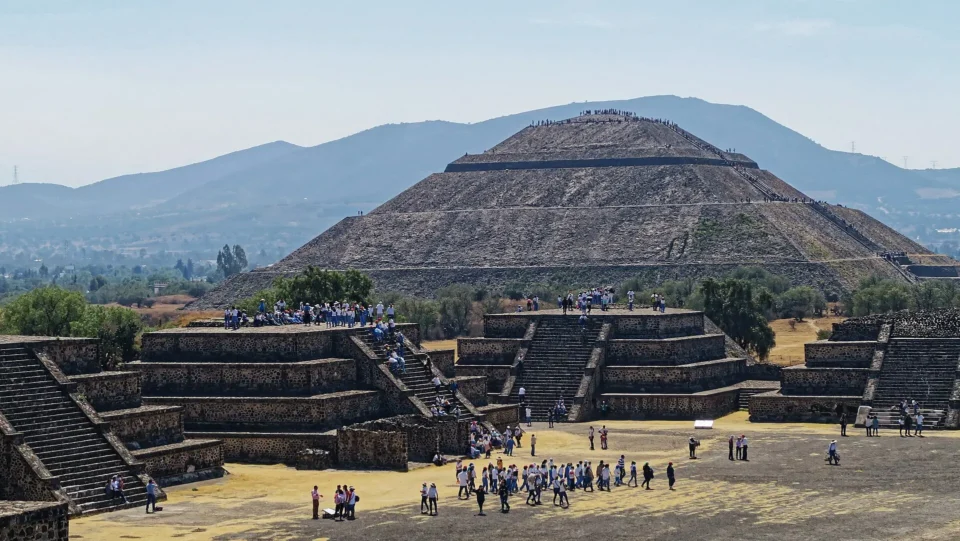
  • Teotihuacan, in the Valley of Mexico, with the Pyramid of the Sun and the Pyramid of the Moon.

  • Monte Albán, the Zapotec capital in Oaxaca.

  • Palenque, Tikal, and Copán, jewels of the Classic Maya world.

  • El Tajín, with its iconic Pyramid of the Niches.

Society and organization

Classic cities reflected highly stratified societies:

  • Priests and rulers concentrated political and religious power.

  • Warriors, who defended territories and strengthened the prestige of the lordships.

  • Artisans and merchants, sustaining urban economies.

  • Farmers, the essential base of agricultural production.

Decline of the Classic Period

Between the 8th and 9th centuries, many cities went into decline due to:

  • Environmental factors, such as droughts and resource overexploitation.

  • Internal conflicts and political fragmentation.

  • Migrations and cultural transformations that gave rise to the Postclassic Period.

Conclusion

The Mesoamerican Classic Period was a time of architectural, artistic, and religious splendor. Its cities and traditions left a lasting legacy that influenced later cultures and shaped what we now recognize as the greatness of Mesoamerica.