
Otomi

Otomí People: History, Resistance, and Legacy in Mexico

The Otomí are one of the oldest Indigenous peoples of Mesoamerica. Their presence dates back to times before the Classic Period, inhabiting regions of the central Mexican highlands, including present-day Hidalgo, Querétaro, Tlaxcala, Puebla, Veracruz, Guanajuato, and the Valley of Mexico. Their history is marked by resilience against dominant powers, the preservation of their language and traditions, and their contributions to Mexico’s cultural diversity.

Origins and territory

  • Settled in the central highlands, making use of fertile soils and trade routes.

  • Neighbors to powerful cultures such as the Teotihuacanos, Toltecs, and Mexica.

  • Although at times subjected to stronger lordships, they maintained their identity and cultural practices.

Otomí in Mesoamerican times

For centuries, the Otomí played diverse roles:

  • Allies or tributaries of different lordships, depending on the political context.

  • Mercenary warriors, renowned for their bravery in battle.

  • Farmers and artisans, skilled in textiles, ceramics, and everyday tools.

Otomí in New Spain

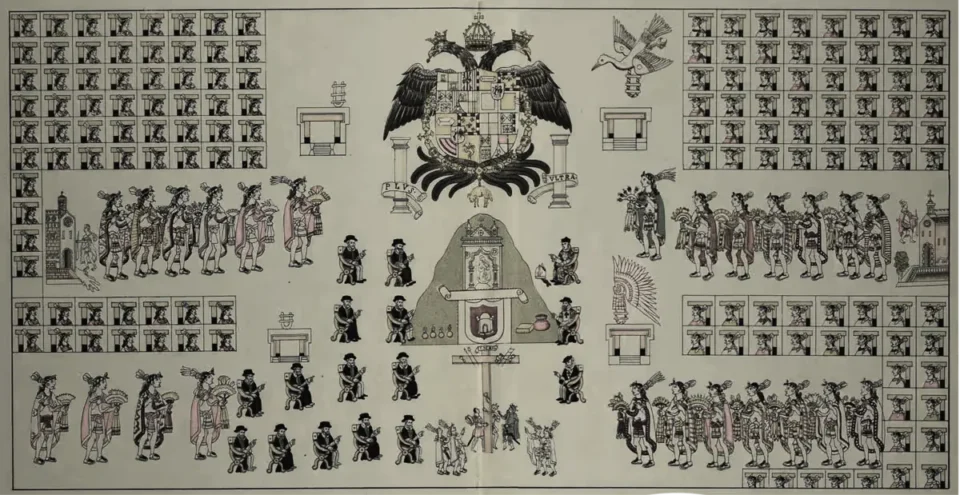
With the integration of Mesoamerican territories into the Catholic Monarchy under viceregal rule, the Otomí held an important role:

  • Some Otomí groups allied with Cortés and other Indigenous peoples against the Mexica lordship.

  • Many were relocated to frontier zones, participating in the colonization of the north during the Chichimeca War.

  • They provided labor in agriculture, mining, and the construction of viceregal cities.

Culture and traditions

The Otomí maintain a living identity reflected in:

  • Hñähñu language, one of the most widely spoken Indigenous languages in Mexico.

  • Textiles and embroidery, decorated with natural and symbolic designs.

  • Rituals and festivities, blending pre-Hispanic beliefs with Catholic practices.

  • Traditional medicine, based on herbs and ancestral knowledge.

Conclusion

The Otomí people embody resilience and adaptation. From their Mesoamerican roots to their role in New Spain and their vibrant present, they are a fundamental part of Mexico’s history and cultural diversity.