Teotihuacan

Xochicalco, Mexico
July 22, 2025

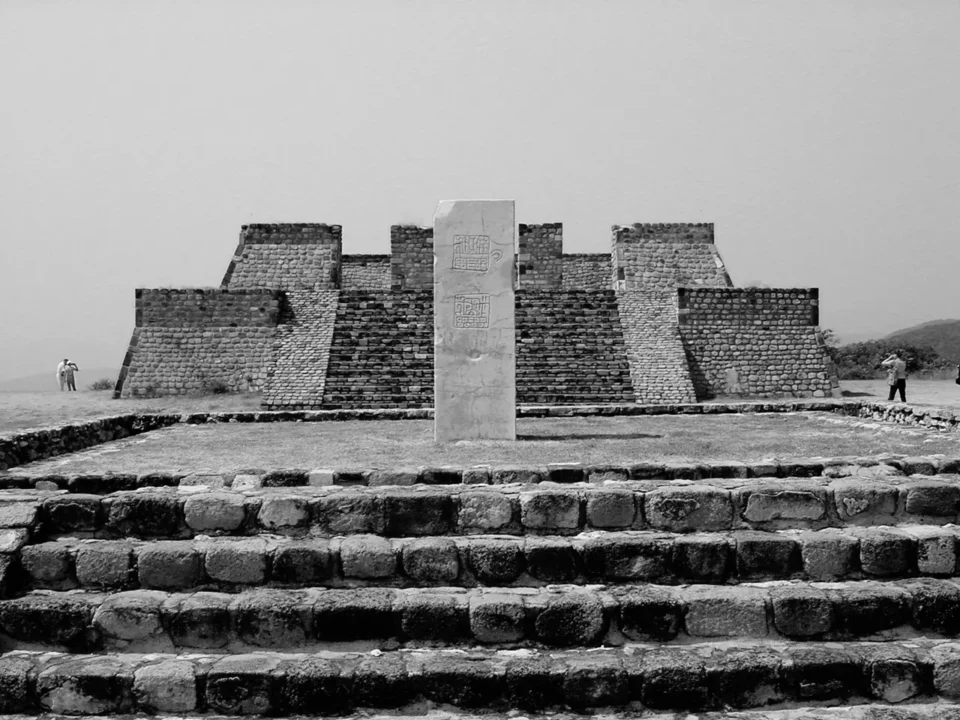
The language of ceramics at Teotihuacan and Xochicalco: what the fragments of the past reveal to us

Pottery is much more than just fragments of clay: it is a window into the Mesoamerican past. This article explores how finds at Xochicalco reveal connections with Teotihuacán and other cultures, showing that this site was a key point of encounter, science and art between the 6th and 10th centuries AD.
History of Mexico
Read More The language of ceramics at Teotihuacan and Xochicalco: what the fragments of the past reveal to us
Periodo Postclasico
July 22, 2025

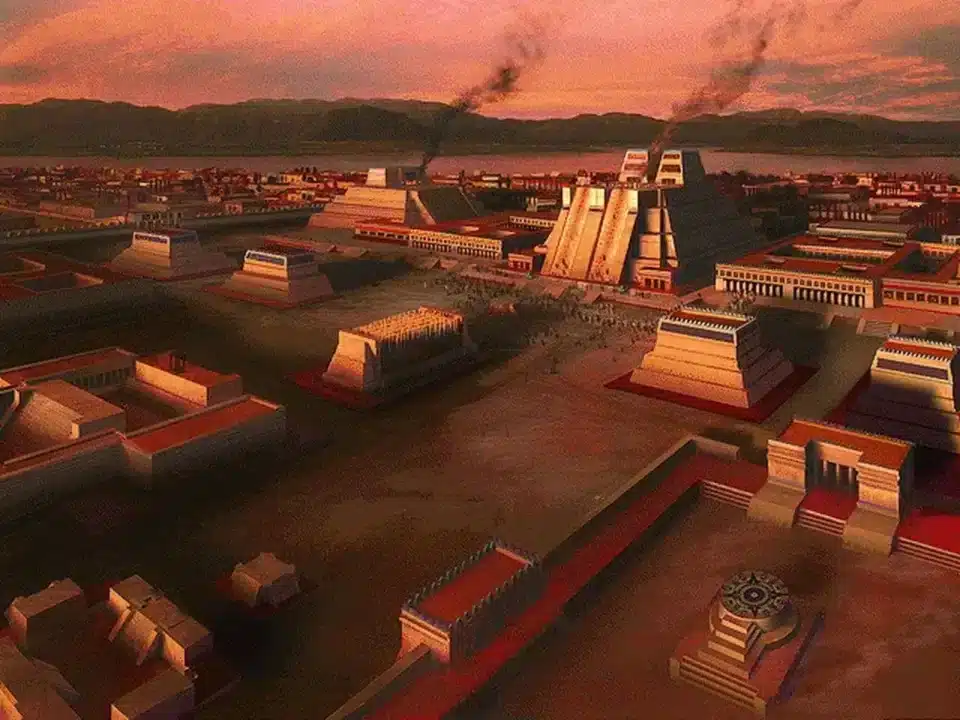
What was the Postclassic Period in Mesoamerica? A new stage of changes and transformations

The Mesoamerican Postclassic period marked a new stage after the collapse of the great Classic cities. It was a time of migrations, conflicts, political reorganization and the emergence of powerful states such as the Mexica. Far from being a dark period, it was an era of profound transformation and cultural expansion that prepared the ground for the great indigenous empires that Europeans would encounter centuries later.

History of Mexico
Read More What was the Postclassic Period in Mesoamerica? A new stage of changes and transformations

Teotihuacan: The City of the Gods in Mesoamerica

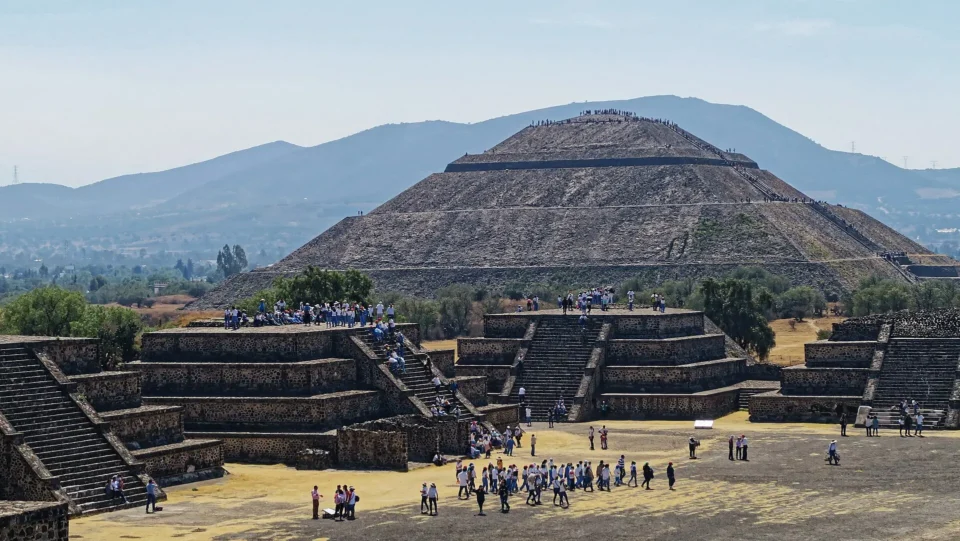
Teotihuacan was one of the largest and most powerful cities of pre-Hispanic Mesoamerica. Located in the Valley of Mexico, it reached its peak between the 1st and 6th centuries CE, becoming an urban, political, religious, and commercial hub that influenced the entire region. Its name, given by the Mexica centuries later, means “the place where men become gods.”

Urban organization and monumental architecture

Teotihuacan was carefully planned, with an advanced urban layout for its time. Its most iconic structures include:

  • Avenue of the Dead, the central axis of the city.

  • Pyramid of the Sun, one of the largest in the pre-Hispanic world.

  • Pyramid of the Moon, associated with religious and funerary ceremonies.

  • The Citadel and the Temple of Quetzalcoatl, decorated with reliefs of feathered serpents and aquatic symbols.

Society and daily life

The city was home to a diverse population, with multiethnic neighborhoods that included Zapotec, Maya, and Mixtec communities. Social organization was structured around:

  • Priests, who managed rituals and calendrical knowledge.

  • Warriors, who defended and expanded Teotihuacan’s influence.

  • Artisans and merchants, specializing in ceramics, obsidian, and textiles.

  • Farmers, who sustained the city through advanced agricultural systems.

Cultural and religious influence

Teotihuacan became a cultural and religious reference point for all of Mesoamerica. Its iconography, centered on deities such as Quetzalcoatl and Tlaloc, influenced later civilizations including the Maya and the Mexica. The city was also a commercial hub, with networks extending from the Gulf of Mexico to Central America.

Decline and legacy

By the 7th century, Teotihuacan entered into crisis due to internal conflicts, political tensions, and environmental pressures. Although it was eventually abandoned, its grandeur endured in Mesoamerican memory. Centuries later, the Mexica regarded it as a sacred place, and today it remains a symbol of cultural identity in Mexico.

Conclusion

Teotihuacan was more than a city: it was a center of power and spirituality that shaped Mesoamerican history. Its architectural, artistic, and religious legacy continues to fascinate the world, making it one of the most visited archaeological sites in Mexico.