
The Seven Cities of Gold

Franciso Vazque s de Coronado expedicion a Cibloa
August 16, 2025

Francisco Vázquez de Coronado and the expedition to Cíbola: from the golden myth to the arid territory.

Prompted by the stories of Friar Marcos de Niza, Francisco Vázquez de Coronado led an expedition in search of the legendary Seven Cities of Gold. What he found, however, was a vast arid territory, resistant tribes and a bitter lesson on the limits of myth versus reality. This expedition, although unsuccessful in its initial objective, left a profound impact on the cartography and geographical knowledge of the northern part of the viceroyalty of New Spain.

History of Mexico
Read More Francisco Vázquez de Coronado and the expedition to Cíbola: from the golden myth to the arid territory.
Cibola Mapa antiguo
August 6, 2025

The Seven Cities of Gold: The Myth Born with Fray Marcos de Niza and the Exploration of the North

The myth of the seven cities of gold arose from the account of Fray Marcos de Niza in 1539. His vision of Cíbola, adorned with turquoise and stone houses, motivated one of the most ambitious expeditions of New Spain: that of Vázquez de Coronado. This article explores how a story between faith, desire, and exaggeration transformed the history of northern Mesoamerica.

History of Mexico
Read More The Seven Cities of Gold: The Myth Born with Fray Marcos de Niza and the Exploration of the North

The Seven Cities of Gold: Myth, Expeditions, and Reality in New Spain

The myth of the Seven Cities of Gold, also known as Cíbola and Quivira, was one of the most powerful legends of the Viceroyalty of New Spain. Born from rumors and reports by friars and explorers, this story inspired expeditions into the north in search of fabulous riches that were never found.

Origins of the myth

The tale began in the 1530s, when news reached New Spain of supposed shining cities inhabited by wealthy and prosperous peoples. The legend gained strength with the account of friar Marcos de Niza, who claimed to have seen Cíbola from a distance, sparking the imagination of the Catholic Monarchy and colonists eager for new opportunities.

Northern expeditions

The belief in the Seven Cities of Gold motivated major expeditions:

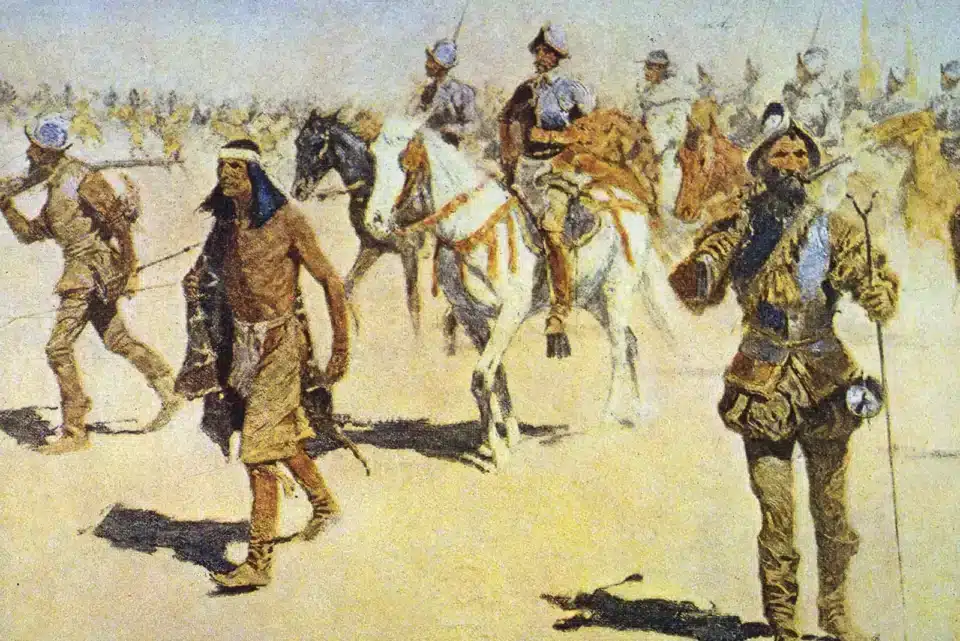
  • Francisco Vázquez de Coronado (1540–1542) led one of the largest, with hundreds of soldiers, Indigenous allies, and friars.

  • The journey covered areas of present-day northern Mexico and the southwestern United States, including Sonora, New Mexico, Arizona, and Kansas.

  • Instead of golden cities, they encountered agricultural pueblos such as the Zuni, who lived in adobe houses and practiced subsistence farming.

Purpose of the myth

Beyond the pursuit of wealth, the myth served specific functions in New Spain:

  • Justifying territorial expansion into little-known northern regions.

  • Stimulating colonization, by attracting settlers and soldiers with promises of riches.

  • Fueling collective imagination, blending legend with politics and religion.

Reality and legacy

Although the golden cities never existed, the northern expeditions had lasting consequences: they established contact with new Indigenous peoples, expanded geographic knowledge of the viceroyalty, and opened routes later used for colonization and missionary expansion.

The myth of the Seven Cities of Gold remains as an example of how ambition and hope could transform legendary tales into large-scale historical enterprises.

Conclusion

The story of the Seven Cities of Gold illustrates how myths influenced politics and exploration during the Viceroyalty of New Spain. This blend of legend and strategy drove expeditions that expanded viceregal frontiers and shaped the Novohispanic imagination.