
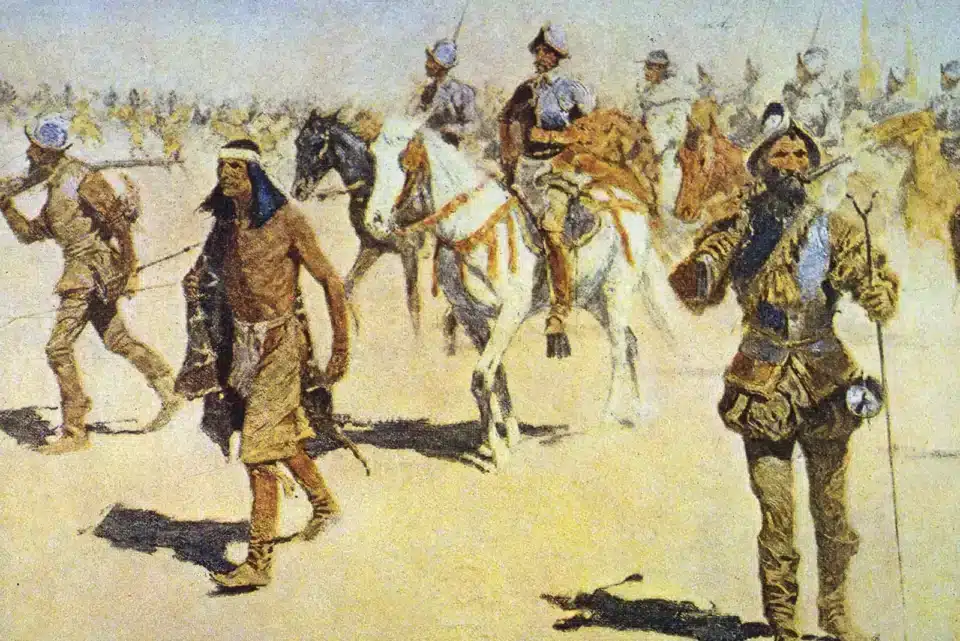
In the heart of the viceroyalty of New Spain, rumors about the existence of fabulous cities covered in gold -known as Cíbola- ignited the ambition of many. Friar Marcos de Niza’s story, full of promises, soon reached the ears of Viceroy Antonio de Mendoza, who decided to act immediately. The enterprise was strategic: it would ensure control over the north and prevent other powers from setting foot in these still unexplored regions.
Francisco Vázquez de Coronado: the one chosen for the expedition
For this mission, Mendoza chose Francisco Vázquez de Coronado, governor of Nueva Galicia. Cortés, although he tried to intervene by claiming prior rights as captain general, was excluded from the project. Thus began one of the most ambitious expeditions of the 16th century, which promised to expand the viceroyalty’s domains and find the riches that were so often mentioned.
Una campaña por tierra y por mar
The expedition was twofold. By land, Vázquez de Coronado would lead the armed men and evangelizing friars. By sea, Hernando de Alarcón would command two ships that would navigate the Gulf of California, exploring the coastline and trying to meet with the land forces. Alarcón reached the Colorado River, leaving signs of his presence, but without being able to communicate with the other column.

From Sonora to New Mexico: the road to disillusionment
Coronado and his troops crossed what are now the states of Sonora and Arizona. They finally reached the Cibola regions, where they expected to find gold and monumental cities. Instead, they found adobe villages inhabited by organized societies, but without the expected riches. Disappointment was inevitable.
In a letter to the king, Coronado related what he found: “…the natives gave me a piece of copper […] and a little bit of metal that looked like gold…”. The golden promise was beginning to fade.
Exploring the deep north: beyond the myth
Nevertheless, the expedition did not stop. Coronado decided to continue north. His men traveled through territories that today form part of Utah, Colorado and Kansas. The journey became a geographical exploration rather than a conquest. There were no golden cities, but there was an ever-expanding map of the northern part of the continent.
The return: without glory, but with a mark
In 1542, after two years of hardship, without riches or military triumphs, the expedition returned to New Spain. Vázquez de Coronado was received coldly. Far from being celebrated, he was criticized for the cost and the poor results. Nevertheless, his voyage was not in vain: he opened new routes, left valuable testimonies and marked the beginning of an expansion towards the north, although without the splendor promised by the myth of Cíbola.
Conclusion: the myth that paved the way
The expedition of Francisco Vázquez de Coronado did not find the riches promised by the story of Fray Marcos de Niza, but its legacy was much deeper than its participants imagined. Instead of gold, they found the vastness of a complex territory, with peoples who resisted and geographies that defied all expectations.
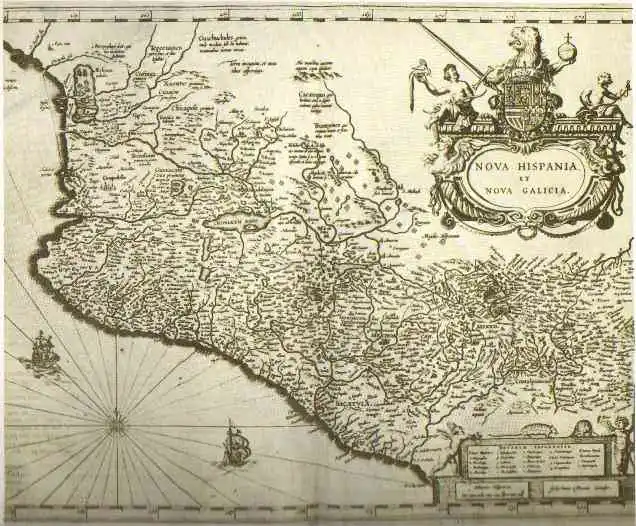
Far from a total defeat, Coronado’s journey marked the beginning of a new stage in the territorial expansion of the viceroyalty of New Spain to the north. His march left traces on the maps, open routes and a better understanding of the lands beyond the Sinaloa River. It was an economic failure, yes, but also a valuable exploration that expanded the margins of the world known to the Catholic monarchy.
The Seven Cities of Gold may never have existed, but they served as a driving force to venture into the unknown. As so often in history, the myth did not bring the promised treasure, but it did lead to new realities.