
Tlatelolco

Intercambio comercial de los mexicas
July 27, 2025

Mexica trade: routes, markets and the emerging strength of the Pochtecs

Trade was one of the key forces driving the power of the Mexica lordship. From local tianguis to the long-range routes organized by the Pochtecs, the exchange of products was much more than an economic activity: it was a strategy of expansion and prestige that consolidated political, military and cultural networks throughout Mesoamerica.


History of Mexico
Read More Mexica trade: routes, markets and the emerging strength of the Pochtecs

Tlatelolco: Trade, Power, and Historical Memory

Tlatelolco was a Mexica city founded in 1337, north of Tenochtitlan, after a group of Mexica split off in disagreement with the capital’s rule. Although politically subordinated to the Tenochca lordship, Tlatelolco stood out for its economic strength and cultural importance, becoming a key center within the Triple Alliance.

Foundation and development

  • Founded on an islet near Tenochtitlan, its inhabitants shared Mexica roots but initially enjoyed political autonomy.

  • From the beginning, Tlatelolco distinguished itself as a commercial hub, gaining prestige through its market.

  • Over time, it fell under the supremacy of Tenochtitlan, yet it retained its vital economic role.

The Tlatelolco market

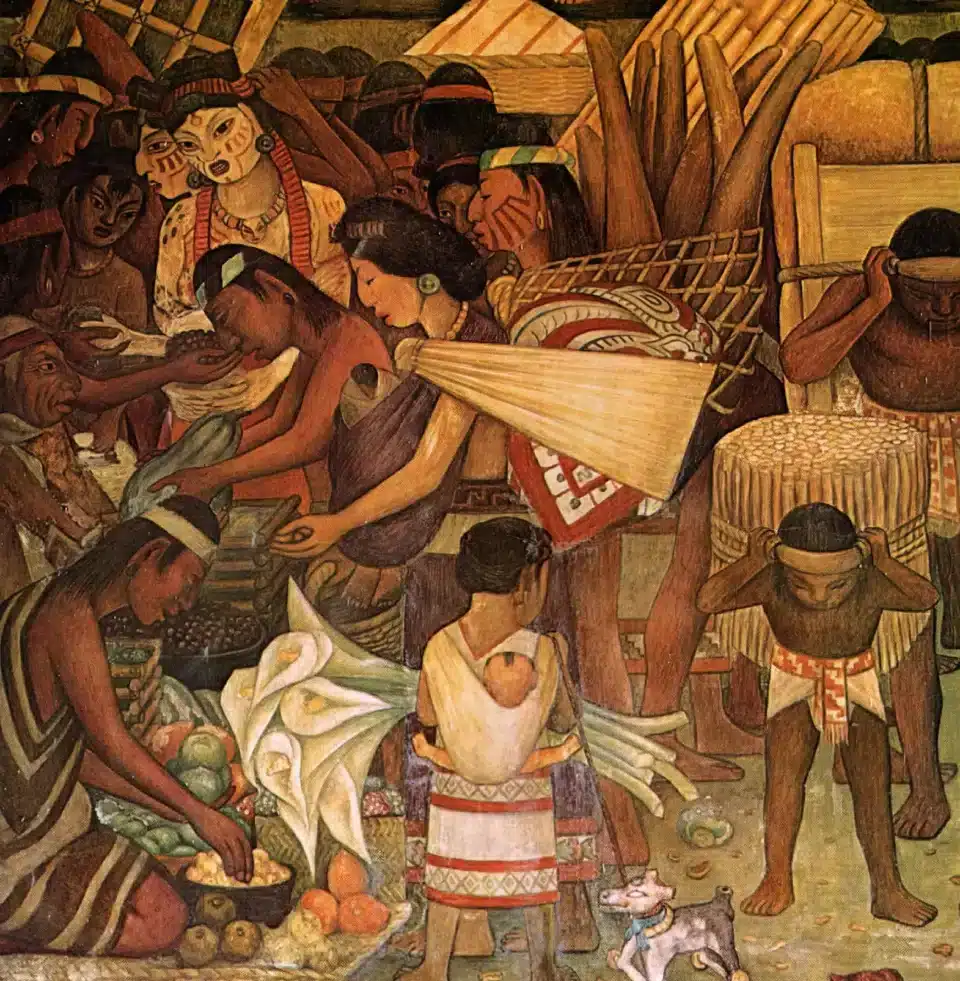
The Tlatelolco tianguis was the largest and most important marketplace in Mesoamerica:

  • It gathered thousands of merchants from across the region.

  • It offered both local goods and long-distance products such as cacao, precious feathers, ceramics, and obsidian.

  • It was regulated by judges and officials who ensured fairness and order.

  • European chroniclers admired and documented its remarkable organization and diversity.

Religion and urban life

  • The city had its own temples and ceremonial precincts, including the Tlatelolco Templo Mayor.

  • Its social life combined religious, military, and commercial functions, reflecting the Mexica worldview alongside economic dynamism.

The fall of Tlatelolco in 1521

Tlatelolco was the stage for the final episode of the military coalition formed by Cortés and his Indigenous allies against the Mexica lordship. After months of siege, in August 1521, the Castilian and allied forces defeated the Tenochcas at Tlatelolco, marking the end of organized resistance and the beginning of viceregal control.

Tlatelolco in New Spain and modern times

  • During the viceroyalty, the College of Santa Cruz of Tlatelolco was founded, the first higher education institution for Indigenous people in the Americas.

  • In contemporary times, Tlatelolco remains a site of historical memory: from the archaeological site of Tlatelolco to its role in the 1968 massacre, it has become a symbol of resistance and social struggle in Mexico.

Conclusion

Tlatelolco was a city of commerce, culture, and resistance. From its legendary market to its role in the fall of the Mexica and its significance as a modern site of memory, it remains essential to understanding Mexico’s historical identity.