
Totonacos

Expedicioines- hernan cortes y sus aliados indigenas
August 7, 2025

Territorial expansion in the origins of New Spain: alliances, exploration, and resistance

The territorial expansion that gave rise to New Spain combined exploration routes, rivalries between figures such as Cortés and Guzmán, and alliances with indigenous peoples such as the Tlaxcaltecs, Huejotzings, and Totonacs. But upon reaching the north, resistance from nomadic peoples completely transformed the strategies of the viceroyalty in formation.


History of Mexico
Read More Territorial expansion in the origins of New Spain: alliances, exploration, and resistance

Totonac People: History, Culture, and Legacy in Mexico

The Totonac people are an Indigenous group of Mesoamerica, primarily located in the northern region of Veracruz, as well as parts of Puebla and Hidalgo. Known for their deep connection to nature and traditions such as the Dance of the Voladores, they have preserved a cultural identity that dates back to pre-Hispanic times.

Origins and territory

  • Their most important center during the Classic Period was El Tajín, famous for its architecture and the iconic Pyramid of the Niches.

  • They inhabited coastal and mountainous areas, relying on fertile lands for agriculture.

  • They interacted with neighboring groups such as the Mexica, Huastecs, and Nahuas.

Totonacs in Mesoamerican times

  • They were renowned for their agricultural skills, especially in cultivating vanilla and maize.

  • They developed a rich artisan tradition in ceramics, textiles, and ritual objects.

  • Their religious system honored deities linked to fertility, rain, and the sun.

Relationship with the Mexica lordship

  • The Totonacs resisted Mexica domination, though at times they were subjected as tributaries.

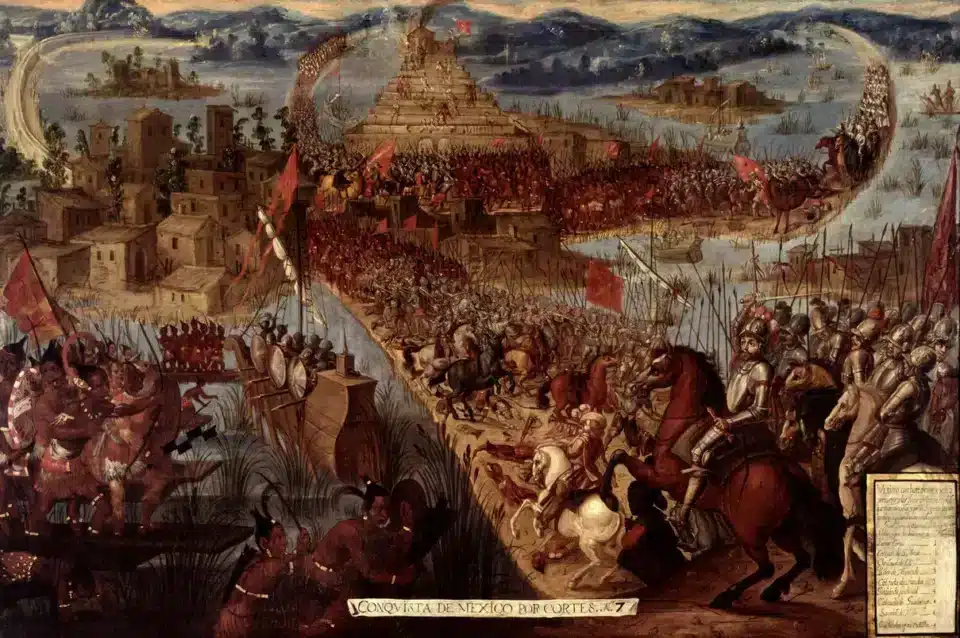
  • In 1519, many allied with Cortés in the military coalition against the Mexica lordship, seeking liberation from heavy tribute demands.

  • Their alliance proved decisive in the march toward Tenochtitlan.

Totonacs in New Spain

  • During the viceregal era, they remained important agricultural producers, especially of vanilla, which gained high value in Europe.

  • They were integrated into the system of Indigenous towns, preserving some traditions while adapting under Catholic evangelization.

  • They continued to play a key role in the cultural and economic life of Veracruz and Puebla.

Culture and living traditions

Today, the Totonacs preserve cultural practices recognized worldwide:

  • Dance of the Voladores, declared Intangible Cultural Heritage of Humanity by UNESCO.

  • Papantla vanilla, renowned for its quality and flavor.

  • Center for Indigenous Arts in Papantla, promoting language preservation and cultural practices.

Conclusion

The Totonac people embody resilience, adaptation, and cultural pride. From their ancient cities to their living traditions, they have enriched Mexico’s cultural diversity, leaving a legacy that continues to inspire beyond national borders.