
Women in New Spain

Women in New Spain: Daily Life, Roles, and Resistance

Women in New Spain played a fundamental role in shaping viceregal society. Although political, legal, and religious structures placed men as the main holders of power, women influenced economic, social, and cultural life through multiple spaces: the household, convents, markets, and, in some cases, politics and literature.

Social and cultural diversity

Women’s experiences varied according to their ethnic background, social position, and legal status:

  • Indigenous women: sustained community life and preserved traditions while facing evangelization and forced labor.

  • Spanish and criolla women: enjoyed greater privileges but were subject to strict family and social control.

  • Mestiza, mulatta, and enslaved African women: actively participated in trades, markets, and domestic work, often under conditions of inequality and discrimination.

Roles in viceregal society

  • Domestic sphere: women were expected to serve primarily as wives and mothers.

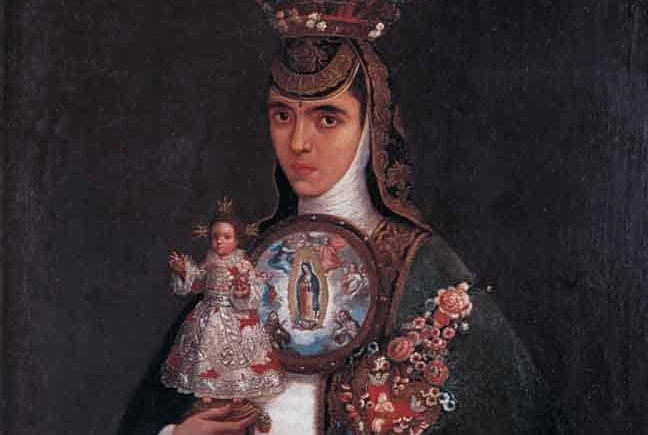
  • Convents and religious life: convents provided spaces for education, spirituality, and, in some cases, literary and artistic production.

  • Popular economy: Indigenous, mestiza, and mulatta women took part in markets, food trade, and artisan work.

  • Education and culture: figures such as Sor Juana Inés de la Cruz challenged imposed limits, becoming icons of thought and literature.

Resistance and agency

Despite restrictions, women exercised forms of resistance and agency:

  • Defending family property in courts.

  • Participating in networks of community solidarity.

  • Preserving and practicing traditional medicine.

  • Expressing themselves through religious writings, poems, and letters.

Conclusion

Women in New Spain were not passive figures within the viceregal order. Their contributions to social, economic, and cultural life ensured the continuity of traditions, the building of communities, and the opening of pathways toward expressions of autonomy that continue to resonate in Mexican history.