
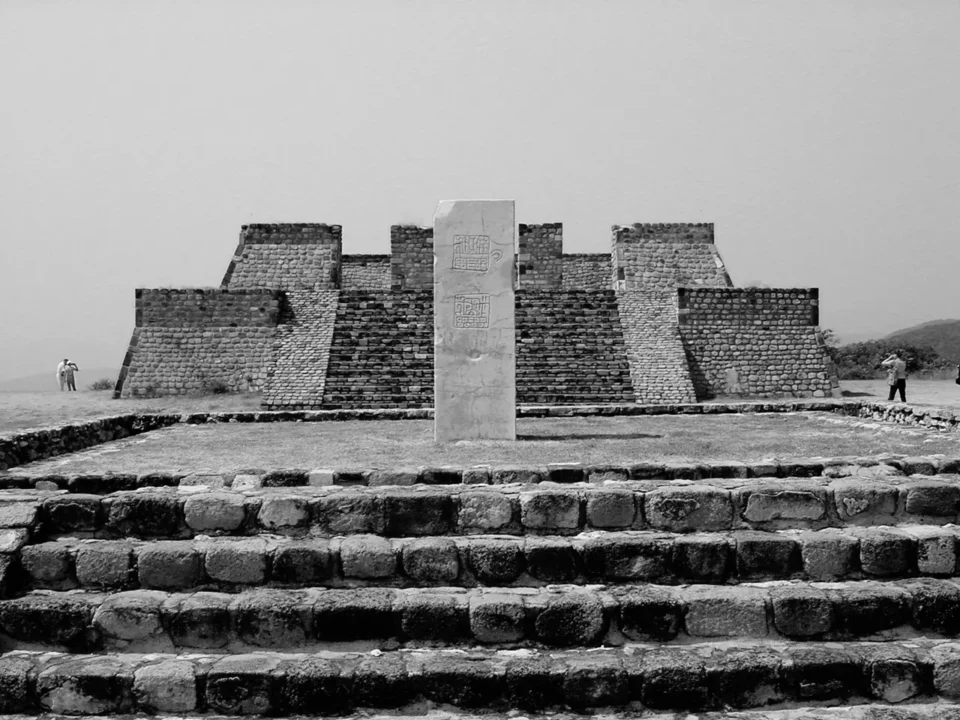
Xochicalco

Xochicalco, Mexico
July 22, 2025

The language of ceramics at Teotihuacan and Xochicalco: what the fragments of the past reveal to us

Pottery is much more than just fragments of clay: it is a window into the Mesoamerican past. This article explores how finds at Xochicalco reveal connections with Teotihuacán and other cultures, showing that this site was a key point of encounter, science and art between the 6th and 10th centuries AD.


History of Mexico
Read More The language of ceramics at Teotihuacan and Xochicalco: what the fragments of the past reveal to us

Xochicalco: Fortified City and Cultural Hub of the Early Postclassic

Xochicalco, located in the modern state of Morelos, is one of Mexico’s most fascinating archaeological sites. Its name in Nahuatl means “place of the house of flowers,” and it reached its peak between the 7th and 9th centuries CE, during the Early Postclassic Period. Xochicalco stood out as a fortified city, with monumental architecture and a central role as a hub of cultural exchange in Mesoamerica.

Origins and development

  • Founded after the fall of great centers such as Teotihuacan, it became a new regional power.

  • Its strategic location on a hilltop made it a fortified city with walls and defensive ditches.

  • Served as a meeting point for Nahua, Maya, Mixtec, and Zapotec peoples.

Architecture and urbanism

Xochicalco combined military, religious, and astronomical features:

  • Pyramid of the Feathered Serpent, famous for its reliefs depicting Quetzalcoatl alongside priests and warriors.

  • Astronomical observatory, a tunnel carved into the rock that recorded solar phenomena.

  • Plazas and ball courts, reflecting its ceremonial and social life.

  • Walls and terraces, emphasizing its defensive character.

Culture and religion

  • A place of cultural convergence, where artistic styles and religious traditions from different regions blended.

  • Ceremonies were dedicated to deities of rain, fertility, and the sun.

  • Its astronomical knowledge reveals advanced understanding of solar and agricultural cycles.

Decline and abandonment

By the 10th century, Xochicalco went into decline and was abandoned, possibly due to internal conflicts, external pressures, or resource exhaustion. Despite its fall, it left a lasting cultural legacy for Mesoamerican history.

Heritage and legacy

Today, Xochicalco is a UNESCO World Heritage Site (1999) and one of the most visited archaeological sites in central Mexico. Its fortified design, religious symbolism, and scientific achievements make it a landmark of the transition between the Classic and Postclassic periods.

Conclusion

Xochicalco represents the ingenuity, cultural diversity, and military strength of the Early Postclassic. Its art, astronomy, and defensive character make it a key testimony of Mesoamerican history.