Mining in New Spain

Mining in New Spain: wealth, labor, and inequality
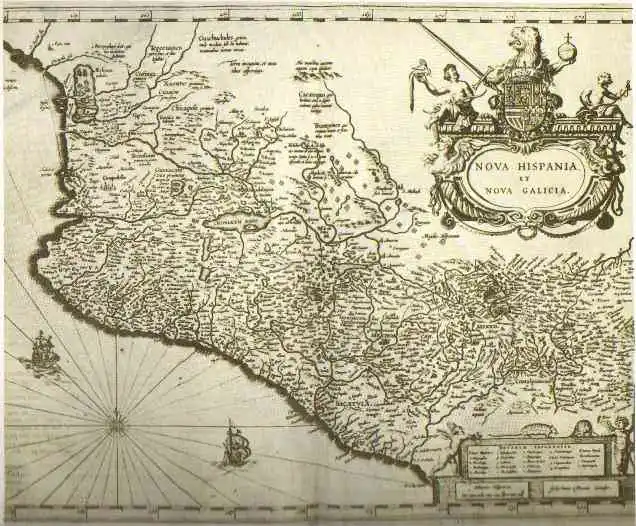
Mining in New Spain was one of the most important economic drivers of the viceroyalty. Since the discovery of silver veins in places such as Zacatecas, Guanajuato, and San Luis Potosí in the 16th century, mineral exploitation sustained a large part of the economy of New Spain and linked Mexico to global trade circuits.

Main mining centers
Mining production was concentrated in the northern and central regions of the viceroyalty, notably:

Zacatecas, epicenter of New Spain silver.

Guanajuato, with mines such as La Valenciana.

San Luis Potosí, consolidated in the 17th century.

Taxco, famous for its silver since early times.

Work organization
Mining depended on a diverse workforce:

Indigenous taxpayers, forced in the early years to work under the encomienda system.

Free workers, indigenous and mestizo, hired under precarious conditions.

Enslaved Africans, destined for heavy labor in mines and processing farms.

Creole and peninsular miners, who managed production and obtained greater profits.

Techniques and processes
Various methods were used for the extraction and processing of silver:

Open pit and underground mining.

A method introduced in the 16th century by Bartolomé de Medina, which used mercury to separate silver from other minerals.

Beneficiation plants, where large quantities of ore were processed.

Economic impact
Mining transformed the colonial economy and connected it to the world:

Shipping precious metals to Seville and other cities in Europe.

Creation of roads, urban centers, and fortifications around the mines.

Financing of the Catholic monarchy in European wars and territorial expansion.

Social and environmental consequences
The mining boom generated deep inequalities and tensions:

Harsh and dangerous working conditions for indigenous people and slaves.

Displacement of Chichimeca communities and conflicts in the north.

Deforestation and pollution from the use of mercury in silver mining.

Conclusion
Mining in New Spain was an economic and political pillar of the viceroyalty. While it promoted wealth and urban development, it also consolidated structures of inequality and exploitation that marked Mexico’s history. Their legacy lives on in mining towns, regional culture, and the memories of those who worked under a deeply unequal system.