Tlaxcaltecas

Expedicioines- hernan cortes y sus aliados indigenas
August 7, 2025

Territorial expansion in the origins of New Spain: alliances, exploration, and resistance

The territorial expansion that gave rise to New Spain combined exploration routes, rivalries between figures such as Cortés and Guzmán, and alliances with indigenous peoples such as the Tlaxcaltecs, Huejotzings, and Totonacs. But upon reaching the north, resistance from nomadic peoples completely transformed the strategies of the viceroyalty in formation.

History of Mexico
Read More Territorial expansion in the origins of New Spain: alliances, exploration, and resistance

Tlaxcalans: Allies, Resistance, and Legacy in Mexican History

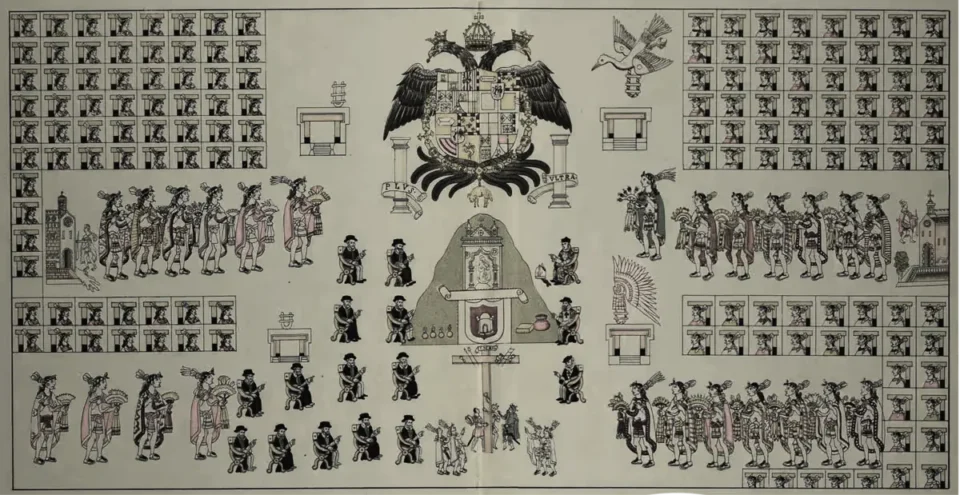
The Tlaxcalans were one of the most influential peoples of the Mesoamerican central highlands. Their lordship, organized as a republic of four main centers—Ocotelulco, Tizatlán, Quiahuiztlán, and Tepeticpac—resisted for decades against the expansive power of the Mexica. Their history is marked by the defense of autonomy, strategic alliances, and their decisive role in the transformations of the 15th and 16th centuries.

Tlaxcala in Mesoamerican times

  • Conflicts with the Mexica: the Tlaxcalans engaged in constant wars, known as the “flower wars,” which had both military and ritual purposes.

  • Economy and culture: they developed intensive agriculture with terraces and maguey, and excelled as artisans and traders.

  • Political organization: their republican system, based on shared power among four lordships, distinguished them from the Mexica’s centralized authority.

Alliance with Cortés and its consequences

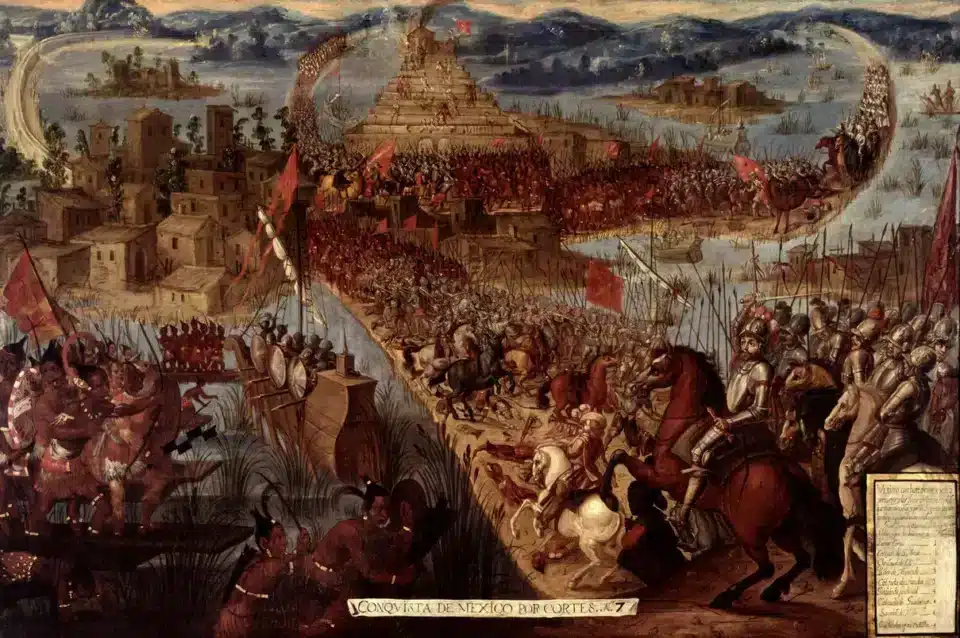
In 1519, the Tlaxcalans fought against the Castilian forces led by Hernán Cortés and his Indigenous allies. After a fierce war, they decided to form a military alliance with Cortés, which became decisive in the defeat of the Mexica lordship in 1521.

  • They gained privileges in New Spain, such as exemptions from certain tributes.

  • Their autonomy in local governance was partially preserved.

  • Tlaxcalans participated in expeditions and settlements in the north, acting as colonizers in Chichimeca territories.

Tlaxcala in New Spain

During the viceregal period, the Tlaxcalans maintained a special role:

  • Their Indigenous leaders retained noble titles recognized by the Crown.

  • They contributed to territorial expansion as military allies.

  • The city of Tlaxcala became a center of Indigenous political and religious influence.

Cultural legacy

The Tlaxcalan legacy remains alive in Mexico today:

  • Traditions and festivals, such as the Tlaxcala Fair and ritual dances.

  • Viceregal architecture, with temples and convents reflecting early Christian influence.

  • Historical identity, as a people recognized for their key role in both Mesoamerican and New Spanish history.

Conclusion

The Tlaxcalans were a people of both resistance and strategy. From their wars with the Mexica to their alliance with Cortés and their integration into the viceroyalty, their history highlights the complexity of negotiation, autonomy, and cultural legacy that shaped Mexico.