
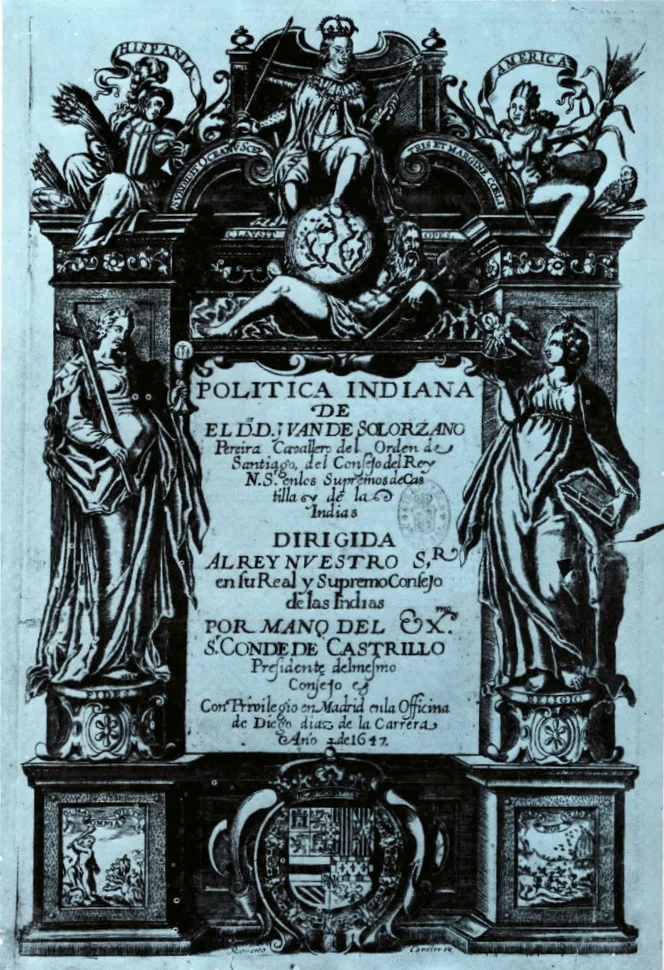
During the viceroyalty of New Spain, the political structure imposed by the Crown of Castile did not completely erase pre-existing indigenous forms of organization. Instead, many of them were adapted and incorporated as part of the fabric of local control. Figures such as caciques, indigenous cabildos and other traditional authorities continued to exercise functions, albeit under a new logic of subordination to viceregal power. This article explores how these forms of indigenous government were maintained -and transformed- during the viceregal period.
The continuity of the indigenous cabildos
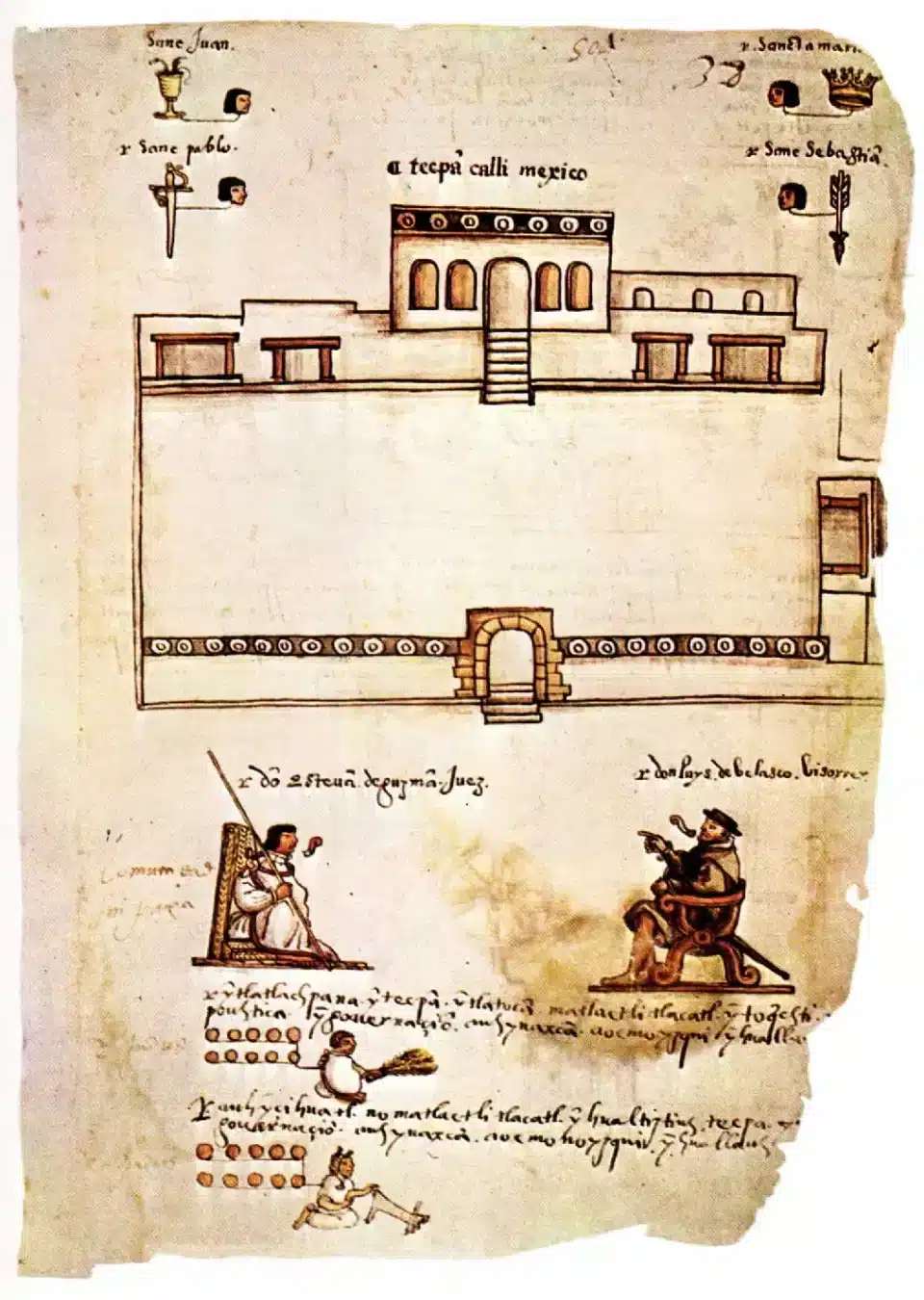
After the military journey of Cortés and his indigenous allies and the establishment of the viceroyalty, the Crown allowed the indigenous peoples to retain a certain degree of autonomy in their internal political organization. One of the key mechanisms for this were the indigenous cabildos, local government bodies similar to the Castilian town councils, but made up of people from the ethnic group itself.
These cabildos were responsible for the day-to-day administration of the town: they organized communal tasks, controlled local resources, supervised the payment of taxes, dispensed minor justice and served as intermediaries with the viceregal authorities. In many cases, they were an institutionalization of previous forms of collective organization.
Main functions
- Communal administration of land and resources.
- Collection of taxes in kind and in cash.
- Population and family inheritance registry.
- Regulation of markets and communal work (such as tequio).
- Execution of viceroyalty orders.
The figure of the cacique: between indigenous legitimacy and viceregal control
The caciques, descendants of noble indigenous lineages, retained a position of authority recognized by the viceregal apparatus. Many of them were used as intermediaries between the viceregal administration and the native peoples. Although their power diminished over time, in the first centuries of the viceroyalty they enjoyed legal and fiscal privileges and acted as representatives before the Castilian authorities.
Through the recognition of their titles and land rights, the Crown sought to maintain indirect control over the indigenous peoples, but in return demanded loyalty, tax collaboration and evangelization.
Adaptations and tensions in indigenous power
The system of Indian republics, established by the Crown, allowed for an apparent separation between the indigenous population and the non-indigenous population (or “republic of Spaniards”). This division was intended to organize social and economic life, while at the same time facilitating the collection of taxes and the surveillance of order.
However, the implementation of this model was not free of tensions. The caciques often saw their power diminished when faced with mayors, corregidores or friars who interfered in the internal affairs of the towns. On the other hand, competition among indigenous families for positions in the cabildo generated internal conflicts.
Conclusion on the indigenous government under the viceroyalty regime
The viceregal regime did not abolish the indigenous forms of authority outright, but rather transformed them and subordinated them to its own interests. The indigenous cabildos and caciques continued to be key players in local administration, but their margin of action was limited by the legal, tributary and religious apparatus of the Catholic monarchy.
This mixed system allowed for a certain cultural and political continuity for the indigenous communities, although it also served as a tool of control. Through these figures, the reorganization of indigenous power under the viceregal structures was channeled.
–