
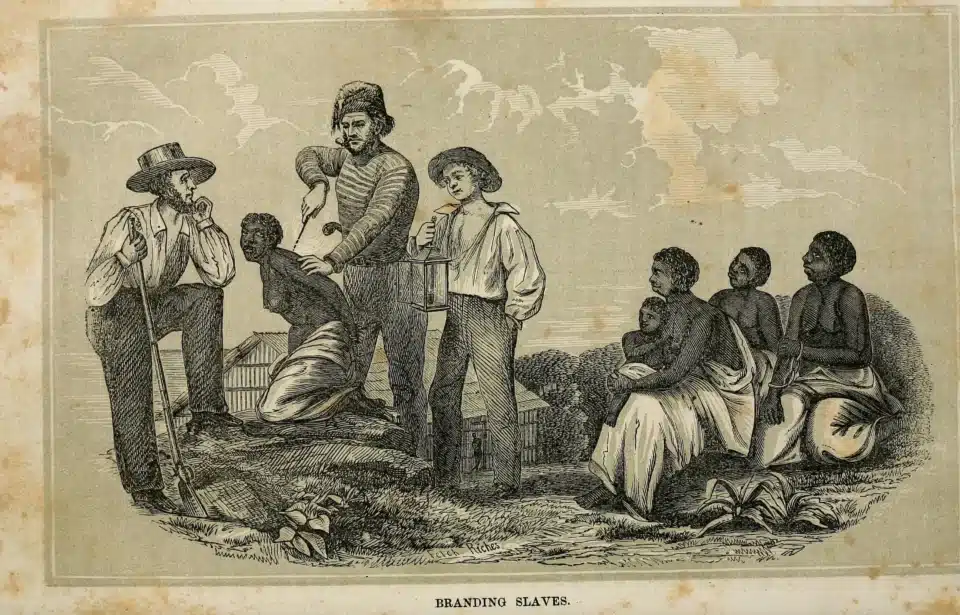
During the 16th century, New Spain underwent a profound transformation of its labor systems. The drastic decline in the indigenous population—caused by epidemics, displacement, and the reorganization of the territory—led to a structural crisis that the viceregal apparatus attempted to resolve by importing enslaved people of African origin.
African slavery was neither a marginal nor an improvised phenomenon: it was integrated early on into the economy of New Spain and was legally regulated by the Crown of Castile, although in practice the legal limits were applied unevenly. This article addresses its origin, expansion, and regulatory framework, without losing sight of the resistance and survival strategies of enslaved people.
El origen de la esclavitud africana en la Nueva España
Desde los primeros años tras la llegada de europeos a tierras mesoamericanas, la Corona de Castilla autorizó el ingreso de personas africanas esclavizadas, principalmente a través de licencias reales. Al inicio, su número fue reducido y estuvo vinculado a funciones domésticas, labores urbanas y servicios personales.
However, as the 16th century progressed and the demographic collapse of the indigenous population became evident, African slavery took on an increasingly important role. Unlike the native peoples—legally recognized as vassals of the Catholic monarchy—Africans were considered legal merchandise within the Castilian imperial system, which facilitated their sale and forced transfer.
Expansion of African slave labor
The expansion of African slavery was directly linked to strategic economic sectors of the viceroyalty. Mines, textile mills, sugar mills, and port cities concentrated a large part of this population.
In regions such as Veracruz, Puebla, Mexico City, and the mining areas of central Mexico, African labor was used to make up for the lack of indigenous workers, especially in activities considered heavy or dangerous.
However, this expansion did not imply the total replacement of indigenous labor. During the 16th century, various labor regimes coexisted: regulated indigenous labor, repartimiento, incipient wage labor, and African slavery. The economy of New Spain was thus sustained by a complex and deeply unequal structure.
Marco legal y límites normativos
African slavery in New Spain was legally permitted, but it was not completely unrestricted. The Crown of Castile established rules to regulate its trade and use, including:
- The requirement for actual licenses for importation.
- The formal prohibition of enslaving indigenous people, which reinforced the legal distinction between the two groups.
- The obligation of Christian instruction for enslaved persons.
In theory, enslaved Africans had certain minimal rights, such as access to the sacraments and the possibility of reporting extreme mistreatment. In practice, these limits were frequently violated, and control depended on the proximity of viceregal power and the Catholic Church.

Daily life, resistance, and African agency
Despite the structural violence of the system, enslaved people developed strategies of resistance and adaptation. Some managed to save money to buy their freedom; others escaped and formed maroon communities, especially in mountainous and hard-to-reach regions.
In urban areas, African slavery led to the formation of social, cultural, and religious networks, which gave rise to a free Afro-descendant population from early on. These communities participated actively in the economic and social life of the viceroyalty, although always under conditions of legal and social discrimination.
Tensions with Christian discourse
Although indigenous slavery was formally abolished by royal decree in the mid-16th century, illegal and covert forms of subjugation continued to exist in practice. In regions far from administrative centers, especially in mining and border areas, mechanisms such as asientos (indentured servitude), prolonged forced labor, or the persecution of “rebellious” indigenous people were used to justify their capture and detention. These practices, although contrary to existing legislation, reveal the limits of viceregal control and show that legal abolition did not mean the immediate end of indigenous exploitation.
Conclusion
African slavery was a structural component of 16th-century New Spain. It emerged in response to a demographic crisis, expanded into key sectors of the economy, and was sustained by a legal framework that permitted and partially regulated it.
However, beyond laws and economic interests, the history of African slavery is also the history of people who resisted, negotiated, and left a deep mark on the social and cultural formation of the viceroyalty. Recognizing their role is essential to understanding the complexity of the New Spain world.