
When we think of resistance and rebellions in New Spain, the first thing that usually comes to mind are indigenous uprisings or tensions with Afro-descendant peoples. However, during the 16th century it was also the Castilians themselves – the so-called “Spaniards” in the language of the time – who were the protagonists of intrigues, conspiracies and internal confrontations that threatened the stability of the viceroyalty.
From the discontent of the encomenderos with the New Laws to the famous conspiracy of the Marquis del Valle, these episodes reveal that the political life of New Spain was marked by constant tensions between the ambitions of the colonizers and the authority of the Crown of Castile.
The New Laws and the nonconformity of the encomenderos (1544)
The Crown of Castile attempted to curb the abuses of the encomenderos with the promulgation of the New Laws of 1542, which limited the inheritance of encomiendas and sought to protect the indigenous peoples.
When Visitor Francisco Tello de Sandoval arrived in Mexico City in 1544 to publish them, the encomenderos received him with great unease. Dressed in mourning, they wanted to show their discontent, but Viceroy Antonio de Mendoza managed to contain them to avoid a direct challenge to royal authority. The promulgation of these laws ignited tensions that would not easily disappear.
1549: the echo of the Peruvian rebellion
The rebellion of encomenderos in Peru -which turned into an authentic civil war- inspired some adventurers in New Spain. In 1549, a denunciation alerted Viceroy Mendoza about plans to imitate the “peruleros”: to take over the land and kill the viceroy and the oidores.
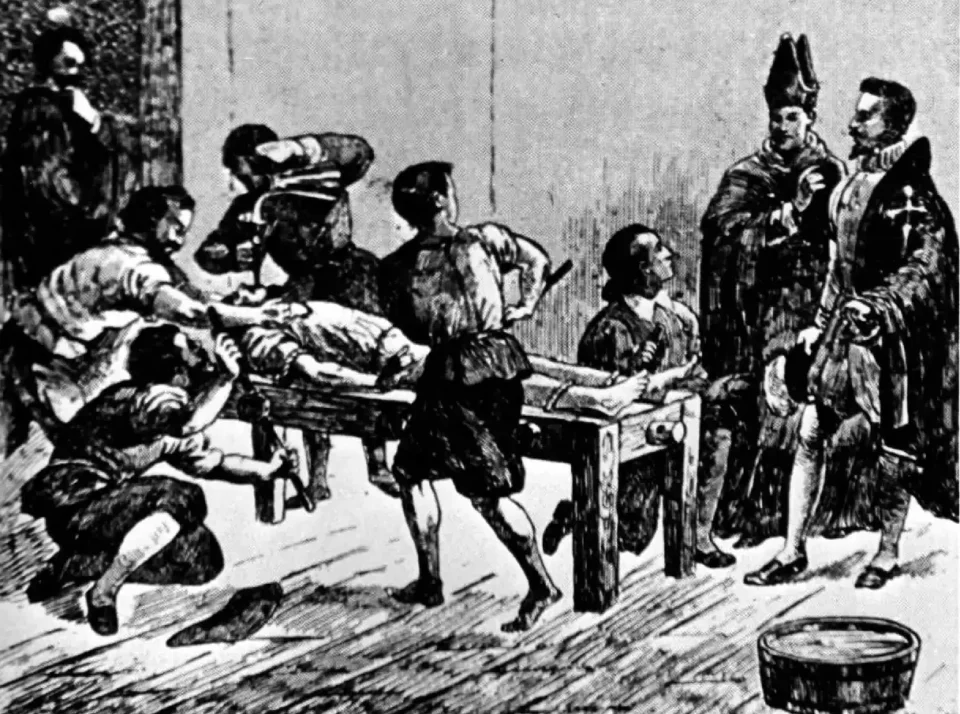
Spies sent by the viceroy discovered the conspiracy in a gambling house. The ringleaders, Juan Román, Juan Vanegas and an Italian, were captured, tortured and executed. Although the plot did not go beyond an isolated attempt, it revealed that there was a latent uneasiness among certain groups of Spaniards who disliked the limitations imposed by the Crown.
1566: the conspiracy of the Marquis del Valle and the Avila brothers
The most serious episode of Spanish conspiracy in the 16th century was the conspiracy of the Marqués del Valle, led by Martín Cortés, son of Hernán Cortés, and supported by influential encomenderos such as the Ávila brothers.
The conspirators planned to kill the oidores, destroy the archives and proclaim the marquis king of New Spain, claiming that his father and the conquistadors had won those lands at their own expense. During a party, in a symbolic gesture, Martín Cortés disguised himself as Hernán and Alonso de Ávila as Moctezuma, revealing his intentions.
Although the marquis never made up his mind, the Audiencia intervened in 1566: several conspirators were arrested, and the Avila brothers were publicly beheaded, their houses razed and their plots of land sown with salt. The repression was brutal and intended to send a clear message: the Crown would not tolerate attempts at independence.
The triumph of the Crown and the defeat of the Creoles
The consequences of the conspiracy were profound. Many criollos – descendants of the Castilians who participated in the military journey of Cortés and his indigenous allies against the Mexican overlordship – had seen in Martín Cortés an opportunity to vindicate their privileges. But repression put an end to these aspirations and strengthened the power of royal officials.
From then on, the Creoles were marginalized from the great positions of government, and a social gap was opened with the peninsulars that would mark the history of the viceroyalty during the following centuries.
Conclusión
The 16th century in New Spain was not a time of tranquility, but of constant tensions. The rebellions and conspiracies of Castilians – from the non-conformist encomenderos to the conspiracy of the Marquis del Valle – show that the authority of the Crown of Castile had to impose itself not only on indigenous and Afro-descendants, but also on the Spaniards themselves who aspired to greater autonomy.
These episodes left a lasting impression: distrust of the Creoles, the strengthening of viceregal authority and the reminder that “taking over the land” was a temptation that had been present since the origins of the viceroyalty.
–