January 8, 2026
African slavery in New Spain: origin, expansion, and legal limits (16th century)
En el siglo XVI, la Nueva España integró la esclavitud africana como parte de su economía. Este artículo analiza su origen, regulación y resistencias.



African slavery in New Spain: forced labor and cultural heritage
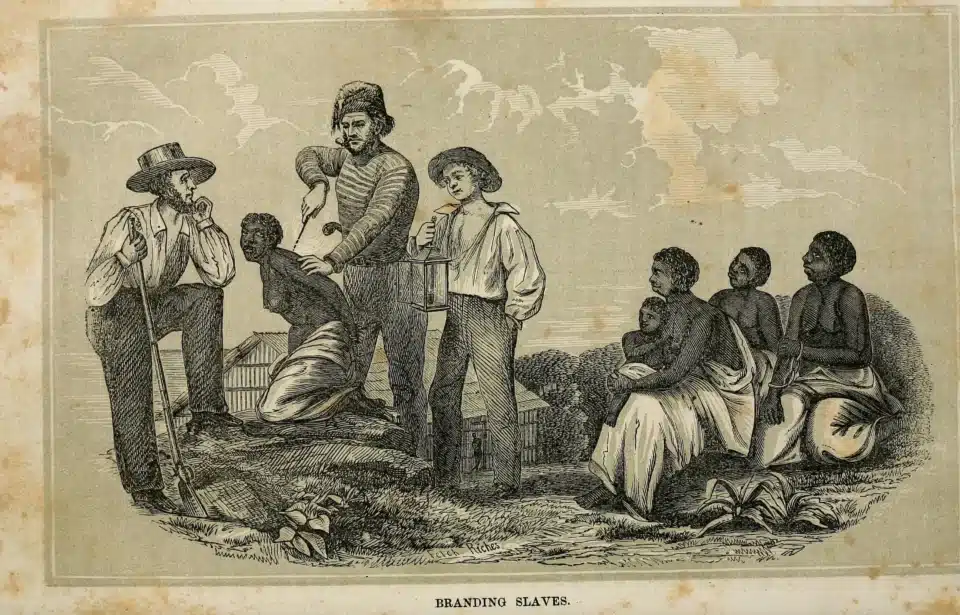
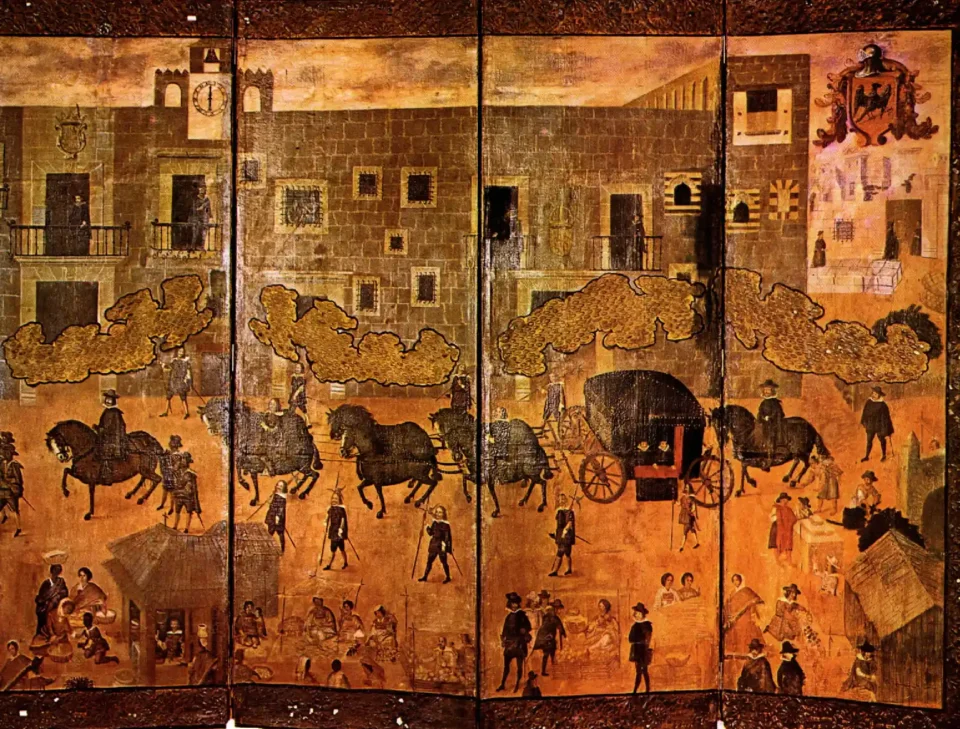
African slavery in New Spain was a central phenomenon in viceregal history between the 16th and 18th centuries. Although less numerous than the indigenous population, the arrival of thousands of enslaved people from Africa transformed the social, economic, and cultural life of the viceroyalty. These communities were forced to integrate into a system of hard and unequal work, but they also managed to leave a lasting mark on Mexican identity.
Orígenes y llegada de personas esclavizadas
Following the fall of the Mexica empire in 1521 and the establishment of the viceroyalty in 1535, the Crown of Castile authorized the importation of enslaved Africans to compensate for the drastic decline in the indigenous population caused by epidemics and exploitation.
They came mainly from regions in West and Central Africa.
They were transported by ship across the Atlantic.
They arrived at ports such as Veracruz, from where they were distributed to different regions.
Areas of work
Enslaved Africans performed multiple tasks in the viceroyalty:
Mining: in Zacatecas and other mining areas.
Estates: on sugar cane plantations, cattle ranches, and agricultural fields.
Domestic service: in the homes of the peninsular and Creole elites.
Construction and urban trades: bricklayers, porters, artisans.
Resistance and freedom
Despite the conditions imposed, many Africans sought their freedom:
By purchasing their freedom with savings or community support.
Escaping to remote regions, where they formed palenques or free communities of fugitive slaves.
Through rebellions, lawsuits, and protests, they showed their resistance to the slave system.
Cultural heritage
The African presence in New Spain left a deep mark on Mexican culture:
In music and dance, with rhythms and styles that influenced popular songs and traditions.
In gastronomy, with ingredients and preparation methods incorporated into New Spanish cuisine.
In mestizaje, by integrating with indigenous and Creole communities, giving rise to new identities.
Conclusion
African slavery in New Spain was a painful chapter in colonial history, but it was also a process that enriched Mexico’s cultural diversity. Recognizing the role of these communities is essential to understanding how New Spain society was forged and to appreciating the African roots present in Mexican identity.