
The post-Classic period in Mesoamerica was marked not only by great cities and splendid artistic manifestations, but also by continuous population movements, political reorganization and cultural encounters. This stage was distinguished by its dynamism: migrations, alliances, foundations of new lordships and the rise of peoples that left a deep mark on Mesoamerican history.
Rearrangements and new hegemonies
After the fall of Teotihuacán, processes of readjustment began in the central highlands that defined the new regional configuration. Groups from the north, generally referred to as Chichimecs, burst into these areas and initiated new cultural dynamics. Among them, the group led by Mixcóatl, later identified as the Toltec-Chichimecs, founders of Tula-Xicocotitlan, stood out.
Simultaneously, the ancient Teotihuacanos, although without their old state structure, continued to inhabit regions such as Cholula or Azcapotzalco. However, new actors such as the so-called “historic Olmecs” -peoples of diverse origins, mostly Mixtecs, Popoloccas and Nahua- entered these areas, causing displacements that generated migrations towards Veracruz, Los Tuxtlas, Soconusco and even Central America. From these migrations emerged the so-called Pipil-nicaraos, who preserved Teotihuacan cultural elements even up to the 16th century.
Xochicalco and cultural convergence
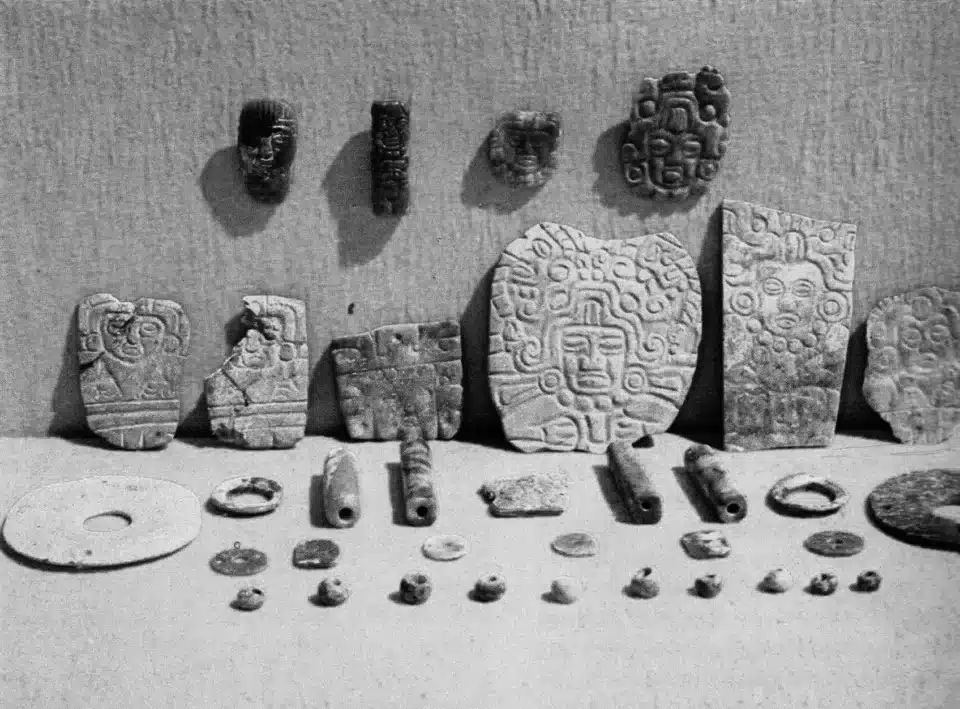
In the current state of Morelos, Xochicalco functioned as a point of confluence of different Mesoamerican traditions. Archaeological evidence shows influences from the Maya area, Oaxaca and the Gulf Coast. Despite threats from expansionist groups, its role as a cultural center endured, even influencing later peoples such as the Toltecs.
Changes in the Maya area
While new lordships were emerging in central Mexico, the Maya lowlands were going through a period of abandonment of emblematic cities such as Tikal, Copán and Palenque. The population moved to the north of the Yucatán peninsula, where the Mayapán league would emerge some time later, formed by the lordships of Uxmal, Chichén Itzá and Mayapán.
The rise and fall of Tula
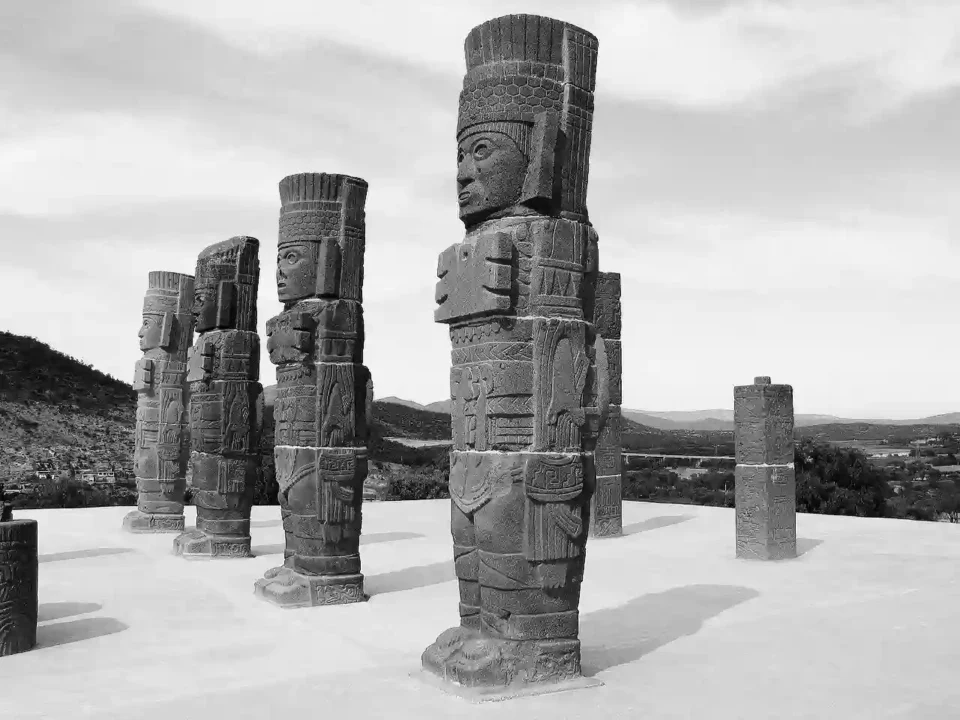
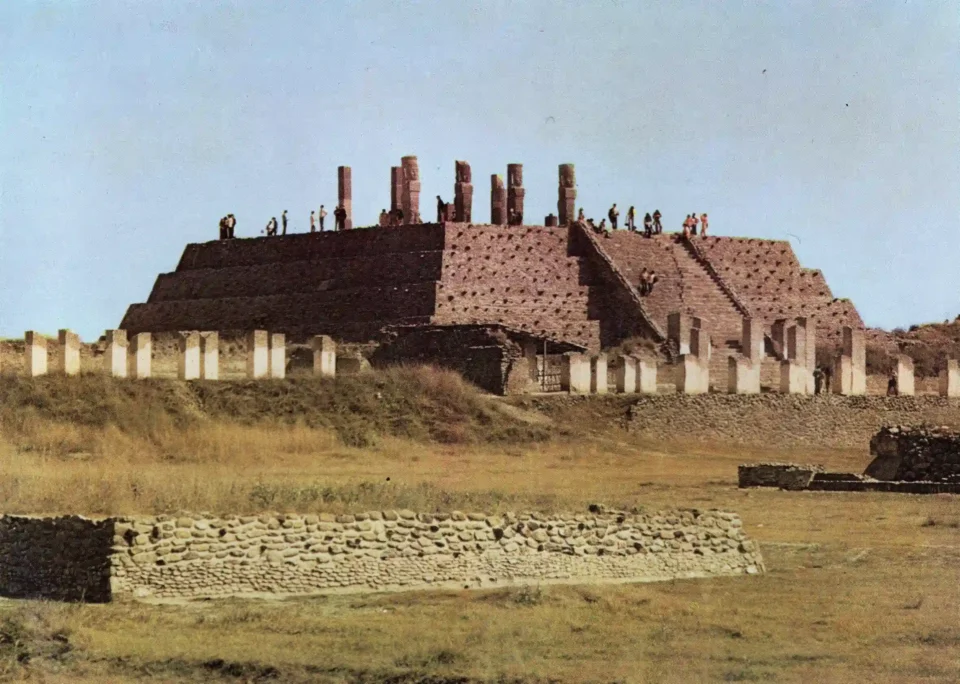
The foundation of Tula in the 10th century by the Toltec-Chichimecs under the leadership of Quetzalcoatl marked a new hegemony. This city, which brought together diverse peoples such as the Otomi and Nonohualca, achieved a high degree of cultural development. However, by the 12th century, internal conflicts and external pressures precipitated its fall, repeating the pattern of population dispersion to regions such as Oaxaca and Yucatán.
New migrations, new lordships
The fall of Tula gave rise to new movements. Some groups founded Culhuacán, while others regained control of Cholula. In Oaxaca, Mixtec lordships were strengthened after the arrival of groups of Toltec tradition. In Yucatan, Toltec influence was also relevant in the consolidation of political entities.
During the 12th century, the followers of the chieftain Xólotl arrived in the central highlands, establishing Tenayuca and later Tetzcoco. These Chichimec peoples assimilated cultural elements from the sedentary populations, which led to their political integration and the rise of new lordships.
Fusion of traditions and regional resistance
The highlands experienced a rich fusion of traditions. Azcapotzalco was consolidated as an important kingdom, and other regions such as Tlaxcala, Huexotzinco and Cholula received migrants who sometimes merged with Toltec-rooted peoples. A notable case was that of the Purépechas, established in Michoacán, who resisted for centuries the expansion attempts of Mexica power.
Conclusion
The postclassic period was a time of intense transformations. Migratory movements, strategic alliances and the foundation of new lordships redefined the Mesoamerican political map. Understanding these processes not only reveals the dynamism of the indigenous peoples, but also dismantles the simplistic vision of a static Mesoamerica. These peoples were protagonists of their history, and their decisions, resistance and adaptations shape a heritage that still speaks to us from the codices, archaeological sites and collective memory.
–