
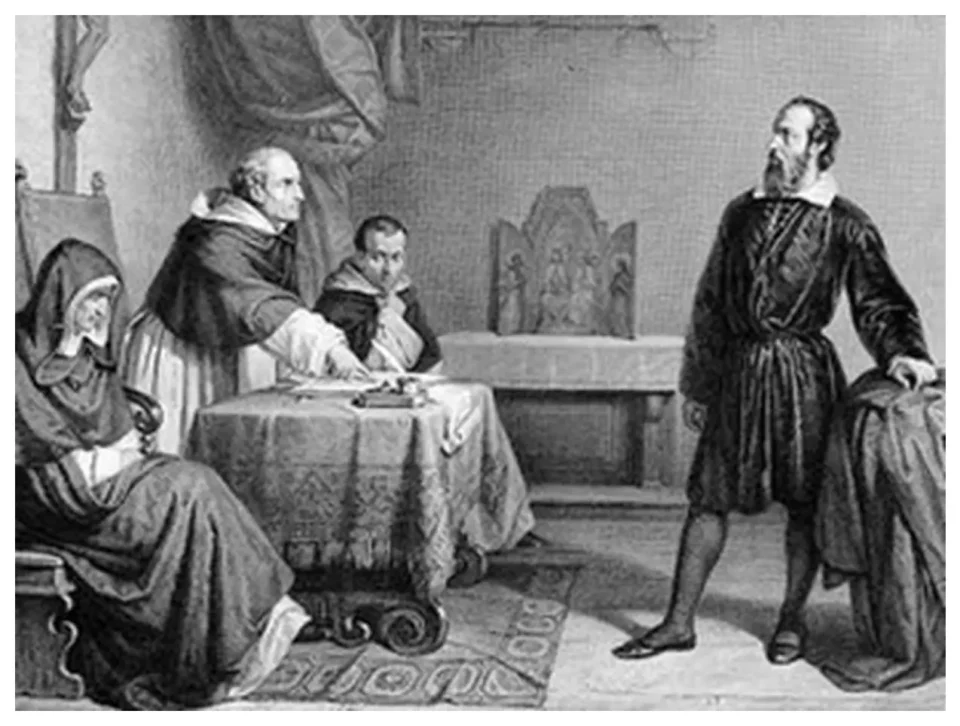
In the complex structure of the viceroyalty of New Spain, one of the fundamental mechanisms for controlling and evaluating officials was the application of visitas and juicio de residencia. Through these methods of institutional oversight, the Catholic monarchy sought to maintain its authority at a distance and to channel the complaints of its subjects.
These forms of control, although legal and regulated, were not always neutral: they often responded to local political tensions, personal conflicts or the Crown’s own interests. In this article we explore how these control mechanisms functioned, what role they played in the viceregal administration and how they affected both rulers and ruled.
What were the visits?
Direct evaluation of the government’s performance
Visits were extraordinary inspections carried out by order of the king or the Council of the Indies to investigate the behavior of an authority or the state of an institution. They could be directed against viceroys, presidents of audiences, mayors or institutions such as hospitals, universities and mints.
During the visit, the visitador -usually a jurist trusted by the king- arrived with special powers and authority to review files, receive complaints and apply sanctions. Visits were feared by officials, as they could result in trials, dismissals, fines and even imprisonment.
Political control and institutional cleaning tool
Although their stated objective was to correct abuses, the visitas also functioned as mechanisms to remove uncomfortable officials or to reestablish royal control in regions where it had been weakened. On occasion, they were requested by local sectors seeking to curb the power of certain viceroys or corregidores, especially when they accumulated too much autonomy.

Residency trials: accountability at the end of the term of office
Evaluation upon leaving office
The residency trial was a mandatory procedure faced by high-ranking officials at the end of their term of office. All viceroys, governors, governors and mayors had to undergo this process upon leaving office.
During the trial, any person -regardless of social status- could file complaints or accusations against the former official. These accusations were evaluated by judges appointed by the Crown, who ruled whether the outgoing ruler should be absolved, fined or punished.
Role as an example
The residency trial was more preventive than punitive in nature: it served as a warning to incumbent officials to govern prudently and justly. Although not all trials ended in punishment, the mere possibility of being denounced upon leaving office acted as a deterrent to abuses.
In addition, the results of the trial were sent to the Council of the Indies, where they were evaluated for future appointments. Thus, the trajectory and reputation of an official was recorded in the imperial bureaucratic apparatus.
System tensions, limitations and ambiguities
Despite their good intentions, both visits and residence trials were not without problems. Sometimes they became instruments of political revenge or were manipulated by local factions. In addition, some officials knew how to negotiate with visitors to soften inspections or deflect accusations.
On the other hand, in remote or hard-to-reach regions, these mechanisms were difficult to apply effectively. Indigenous communities, for example, often had less capacity to file complaints or defend themselves in these processes. Thus, viceregal justice did not always reach everyone equally.
Conclusion on visits and trials of residence in New Spain
Visits and residence trials were key elements of the political and administrative control system of the Viceroyalty of New Spain. Through them, the Catholic monarchy was able to remotely supervise its representatives and maintain legality in its domains. Although they were not infallible and were often marked by tensions and favoritism, these mechanisms reflect the viceregal power’s effort to maintain an image of justice and order.
Understanding how it worked allows us to assess how authority was structured in New Spain and how attempts were made to balance power between rulers and ruled.
–