
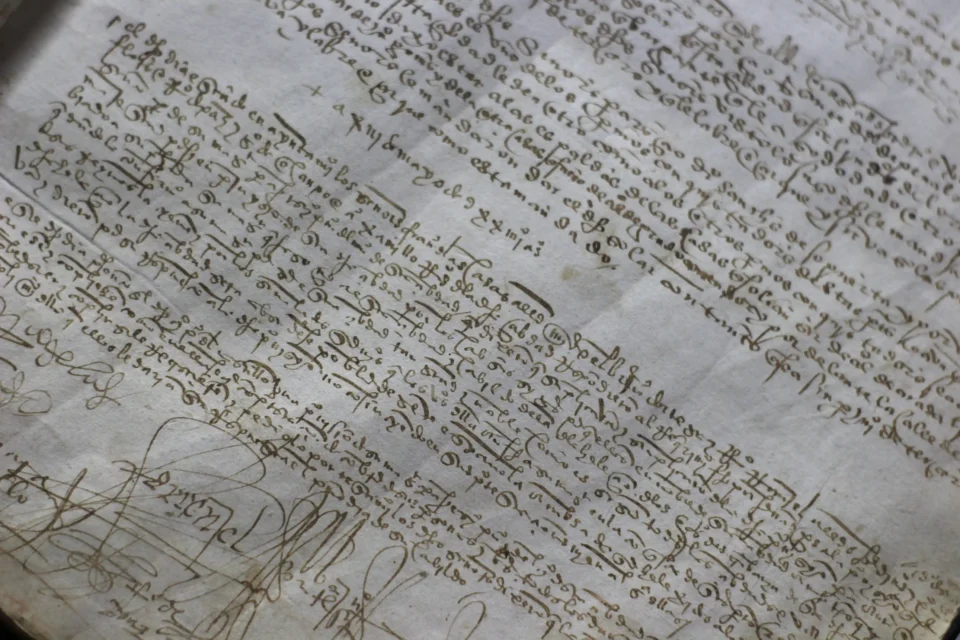
During the 16th century, following the military campaign of Cortés and his indigenous allies, the Mesoamerican territories began to be integrated into the Catholic monarchy, under the viceregal administration organized by the Crown of Castile. In this process, the indigenous councils played a key role as intermediaries between the viceregal authorities and the local communities. Far from being mere administrative bodies, these councils represented a way of maintaining a certain continuity of indigenous political structures, albeit under a framework imposed by the “order of the republic” of New Spain.
What were indigenous councils?
Indigenous councils were local administrative bodies created by the viceregal administration to organize the political, economic, and social life of indigenous communities. They functioned similarly to the councils of Castilian cities, but with adaptations to the indigenous context. Among their main functions were:
- Manage community lands and resources
- Manage taxes levied by the Crown of Castile
- Ensuring compliance with colonial laws, including those regulating agricultural production and local trade
Through the councils, the Crown and its representatives were able to maintain control over the indigenous populations without completely replacing their traditional forms of government.
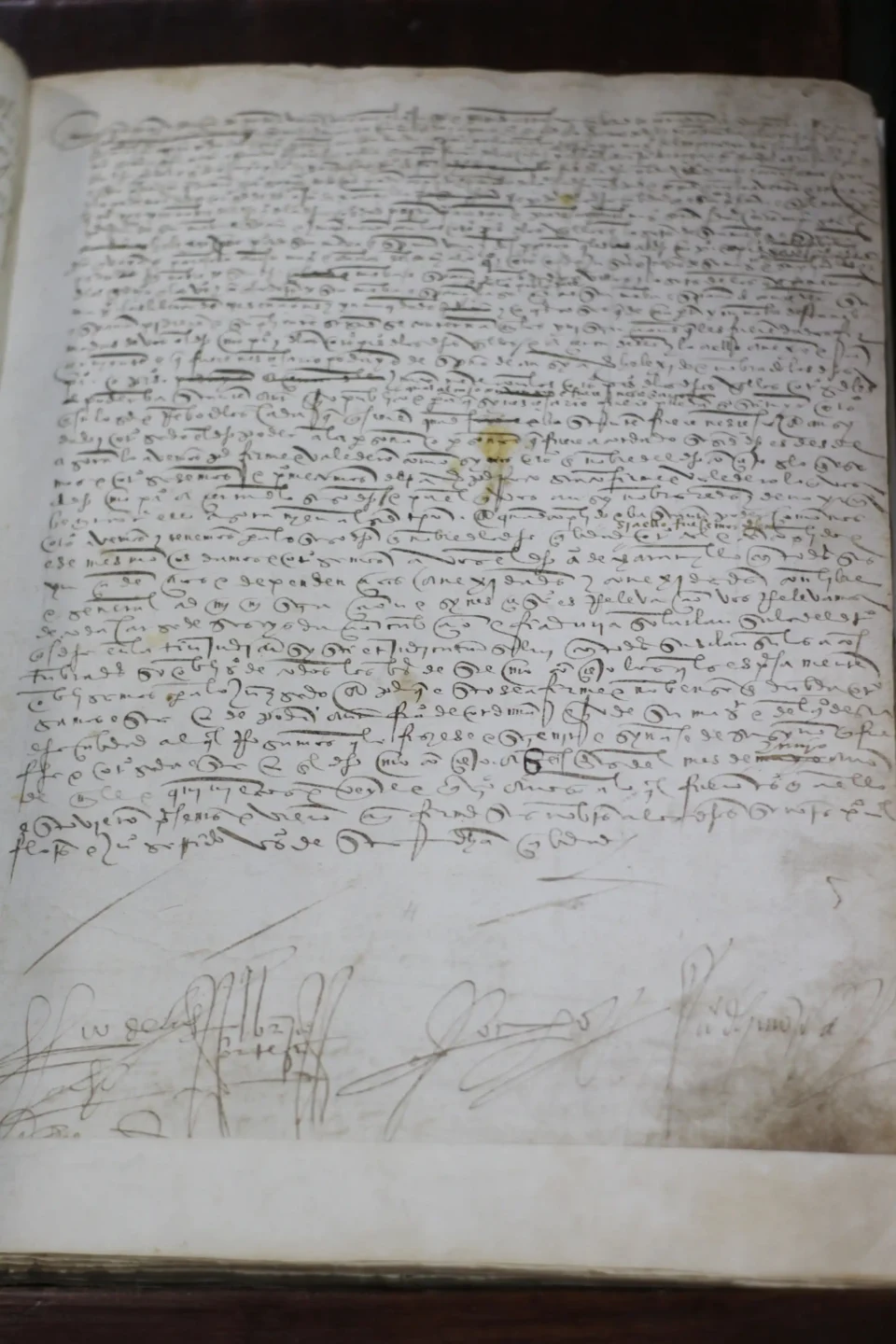
The continuity and transformation of indigenous power
Although the councils were imposed by the viceregal administration, they allowed certain elements of indigenous authority to be preserved. The main local lords and community leaders were integrated into the councils, which helped to legitimize viceregal authority and facilitated the collection of taxes.
At the same time, these institutions implied a transformation of indigenous political power: traditional leaders had to adapt to new responsibilities and rules dictated by the Crown of Castile, often mediated by officials from the peninsula or mestizos. This created a delicate balance between cultural continuity and political subordination.
Indigenous councils and social control
Beyond politics and economics, the town councils also played a role in social control. They supervised compliance with local and viceregal regulations, resolved disputes between neighbors, and acted as authorities for imposing sanctions. In this way, the town councils were instruments of the “order of the republic,” a concept that the viceregal administration used to organize urban and indigenous life in New Spain.
However, this control was not absolute. The communities retained a certain degree of autonomy, especially in cultural and religious matters, and indigenous councils often acted as mediators between the viceregal authority and the local population.
Conclusion
Indigenous councils represent an early example of interaction between viceregal power and local indigenous authority. Although they were created as a control mechanism imposed by the Crown of Castile, they allowed certain traditional governance practices to be maintained, adapted to the logic of the “order of the republic.” This institution shows how the viceregal administration sought to balance political, fiscal, and social control without completely eliminating the indigenous power structure.
Everything you need to know about indigenous councils
What exactly were indigenous councils?
Indigenous councils were local administrative bodies created by the viceregal administration to manage the political, economic, and social life of indigenous communities, adapting the model of Castilian councils to the indigenous context.
What was its main function in New Spain?
They were responsible for administering land and resources, managing taxes levied by the Crown of Castile, and supervising compliance with viceregal laws, acting as a bridge between peninsular officials and the indigenous population.
Did indigenous councils replace traditional leaders?
Not entirely. Many local leaders and prominent indigenous chiefs were integrated into the town councils, which allowed them to retain a certain amount of authority, albeit within the framework imposed by the viceregal administration.
How did town councils contribute to social control?
In addition to political and economic tasks, the town councils resolved disputes between neighbors and supervised compliance with regulations, functioning as an instrument of “republican order” in the daily life of the communities.
Did indigenous communities retain their autonomy?
Yes, in many cultural and religious aspects, as well as in the management of local customs, the councils served more as mediators than as absolute supervisors, allowing for a balance between viceregal authority and traditional practices.
Why are they important for understanding the history of the viceroyalty?
The indigenous councils show how the Crown of Castile attempted to harmonize political, fiscal, and social control without completely destroying indigenous power structures, offering a more complete picture of the reorganization of New Spain.