Indigenous resistance

Juan de Oñate
August 11, 2025

Juan de Oñate and the hard beginnings of New Mexico: ambitions, resistance and uprooting

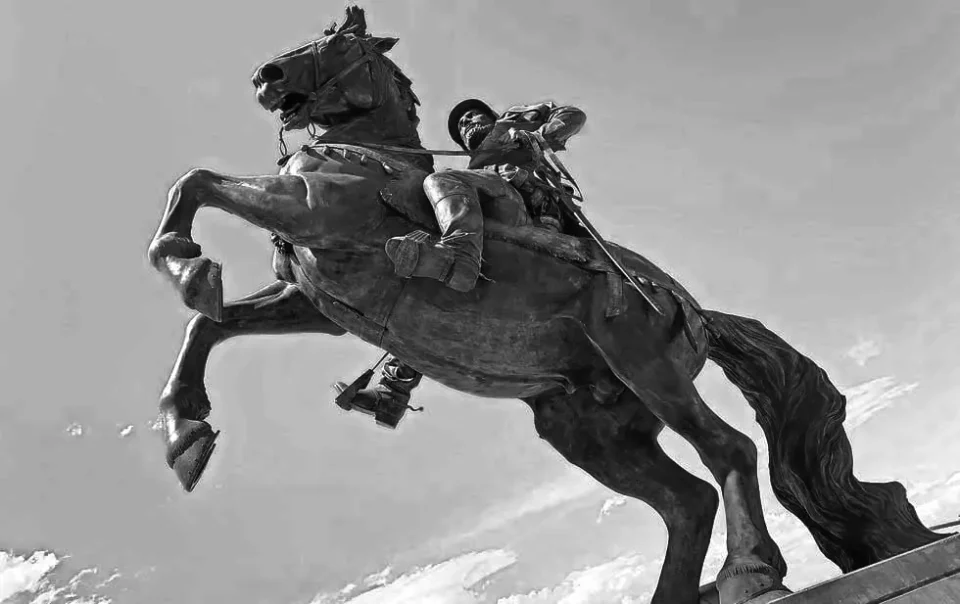
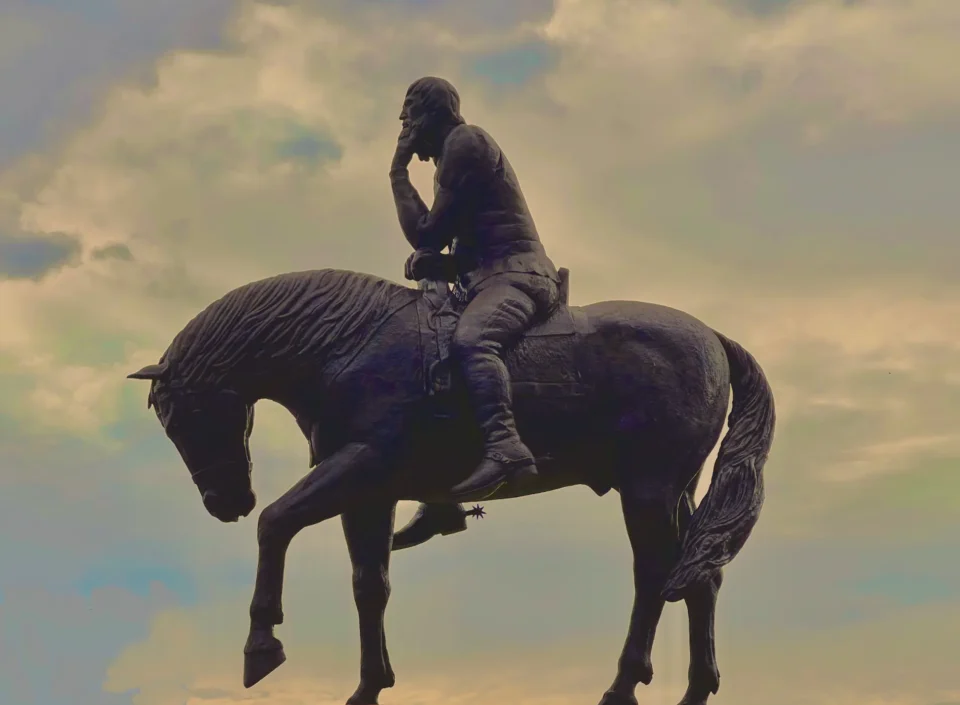
Juan de Oñate’s entry into the northern territories in 1598 was an enterprise laden with imperial expectations and human frustrations. Under promises of wealth, evangelization and dominion, his expedition faced the harsh reality of the landscape, the resistance of the native peoples and the attrition of his own people. This article recounts the complex beginning of the so-called New Mexico, from the symbolic takeover to the disenchantment that accompanied its colonization.

History of Mexico
Read More Juan de Oñate and the hard beginnings of New Mexico: ambitions, resistance and uprooting

Indigenous Resistance: Struggles and Continuities in Mexican History

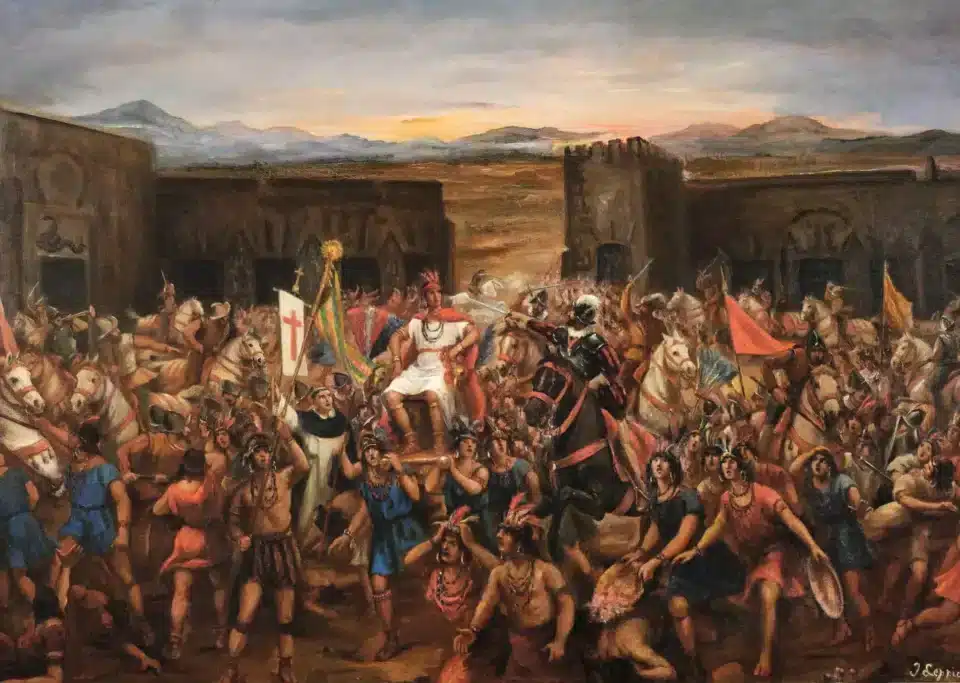
Indigenous resistance has been a constant throughout Mexican history, from the first encounters with peninsular forces to later centuries. Far from passive submission, Indigenous peoples deployed multiple strategies—military, political, cultural, and spiritual—to defend their territories, systems of governance, and identities.

From armed conflicts in the 16th century to legal battles in viceregal courts and mobilizations during the independent era, Indigenous resistance reveals the resilience of communities in the face of profound transformations.

Armed resistance

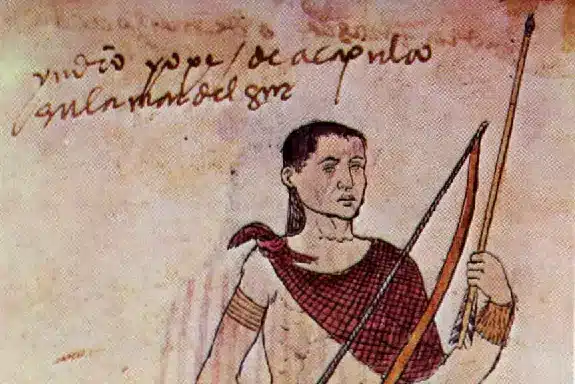
In the early years of the viceroyalty, numerous peoples resisted peninsular expansion. Examples such as the Mixtón War (1541) in Nueva Galicia or the Chichimeca War (1550–1600) demonstrate the capacity of Indigenous military organization against viceregal forces and their allies. These struggles forced the Crown of Castile to negotiate peace agreements, recognize communal lands, and reconsider its strategies of control.

Political and legal resistance

Beyond warfare, Indigenous peoples used the legal structures of the viceroyalty to defend their interests. They presented petitions before the Royal Audiencia of Mexico and the Council of the Indies, demanding land rights, curbing abuses by encomenderos, and protecting communal privileges. This legal resistance allowed them to maintain a degree of autonomy and demonstrate political agency within the viceregal system.

Cultural and spiritual resistance

Indigenous resistance also took shape through the preservation of languages, rituals, and worldviews. Although evangelization sought to impose religious uniformity, many communities reinterpreted Catholic symbols and fused them with ancestral practices, creating a syncretism that safeguarded their identity.

The use of codices, oral history, and the continuity of traditional festivals were strategies that ensured cultural survival amid imposed social and religious norms.

In the Independent era

Indigenous resistance did not end with the fall of the viceroyalty. During the Independent Mexico period, Native communities continued to struggle against the loss of communal lands, liberal reforms, and the expansion of haciendas. In many regions, they organized movements that shaped local history and influenced broader national processes.

Conclusion

Indigenous resistance is a central thread in Mexico’s history. Whether through warfare, political negotiation, or cultural preservation, Indigenous peoples kept their identities alive and defended their right to exist through centuries of transformation. Recognizing these forms of resistance is essential to understanding the endurance and strength of Native communities up to the present.