
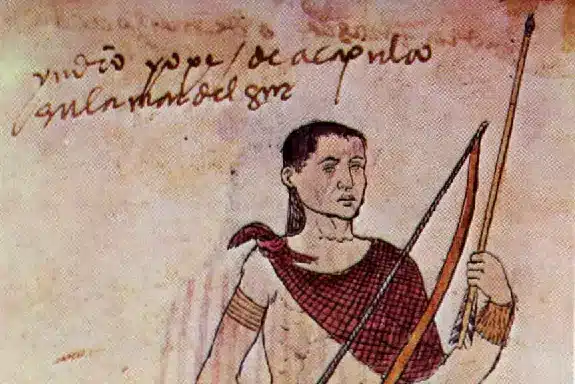
In the 17th century, the viceroyalty of New Spain faced tensions not only in its borders, but also in the southern towns. An emblematic case occurred in 1660, in the town of Guadalcázar, province of Tehuantepec (present-day Oaxaca, not to be confused with the municipality of the same name in San Luis Potosí).
There, the abuses of the alcalde mayor against the indigenous population triggered an uprising that combined direct action with legal defense before the viceroy. This episode reveals how local communities were not resigned to bad government practices and were able to organize both armed resistance and legal appeal.
An abusive mayor and the seed of conflict
The mayor, Don Juan de Avellán, imposed excessive distributions of blankets and excessive charges, which exceeded twenty thousand pesos of common gold. The demands were so high that the inhabitants were forced to sell their few belongings at low prices in order to comply.
In addition, the punishments were brutal: whippings, stocks and imprisonment, without even respecting the caciques and principals. The situation reached the point that a cacique from Tequisistlán died as a result of the tortures he received.
The outbreak of the uprising
The accumulation of abuses provoked an uproar in which the mayor himself was killed. Far from becoming an open rebellion against the Catholic monarchy, the movement was understood by the participants as an act of justice and defense of the community.
Immediately, the towns of the region elected their own local authorities, making it clear that their intention was not to disown the king, but to protect themselves from a corrupt and illegitimate representative.
The letter to the viceroy: resistance and loyalty
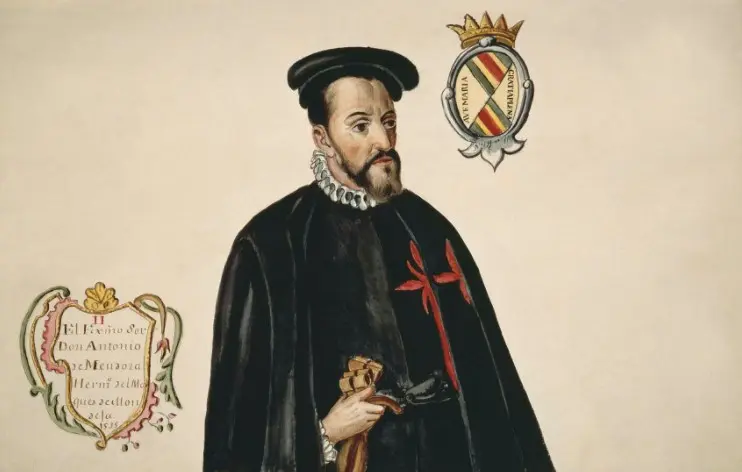
After the events, governors and mayors of the town wrote a letter to the viceroy explaining the causes of the uprising. In it they insisted that it was not a rebellion against the Crown, but a desperate reaction to the outrages of the mayor.
The document emphasized their loyalty to the monarch and their respect for the Dominican friars, witnesses that the indigenous peoples had not acted violently against the neighboring Spaniards or the Church. This strategy sought to legitimize the movement, showing that resistance could combine direct action with a discourse of political and religious loyalty.
An example of local resistance
The Tehuantepec uprising in 1660 demonstrates that indigenous resistance in New Spain did not always take the form of large military rebellions. At times, communities responded to abuses through focused uprisings, followed by an effort to present their grievances in an official manner.
This episode reveals the constant balance between resistance and negotiation that characterized indigenous life under viceregal administration.
Conclusion
The indigenous uprising of 1660 in Tehuantepec (Guadalcázar) over abuses by the alcalde mayor symbolizes the daily tensions of the viceroyalty. More than a direct challenge to the power of the Catholic monarchy, it was a defense of the dignity and welfare of the indigenous communities against a corrupt official.
By raising their voices before the viceroy and documenting their grievances, the towns showed that resistance could be expressed with weapons in hand as well as with the pen, demanding justice within the very system that oppressed them.
–