
When we talk about the history of Mesoamerica, we usually imagine temples, codices, stelae and epic tales that connect us with the past. However, there is one period in particular that stands out because of the abundance of historical sources that have survived to the present day: the postclassic. But was this period really the only one that left a written trace? In this article we explore why a “more historical” character is attributed to the Postclassic and whether that label is entirely fair.
The post-classical period and its multiple historical sources
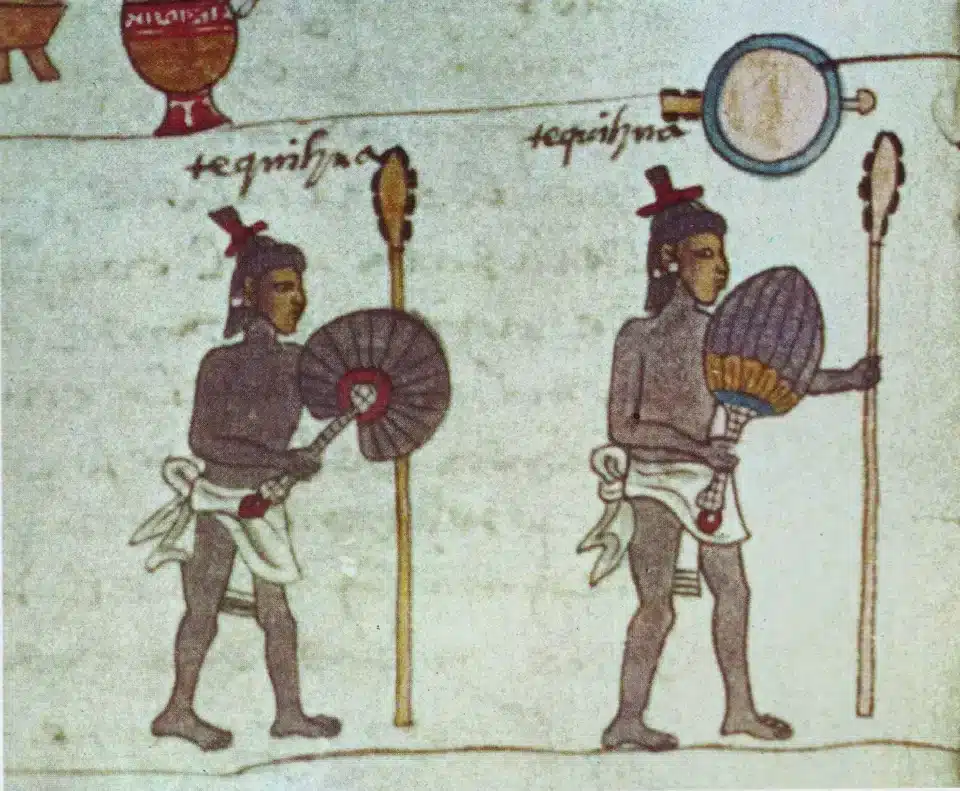
One of the reasons why the Postclassic is often highlighted as a “historical” period is because of the large amount of written records that survive from that time. Codices, chronicles, texts in indigenous languages and accounts compiled by later chroniclers tell us directly about institutions, rituals, wars and characters of those centuries.
In addition, many of these documents reflect events that occurred in a very active political and social context: kingdoms such as Tula, Texcoco, Azcapotzalco or the Mexica empire already had well-defined structures that deserved to be recorded. This facilitated the preservation of their memories, compared to previous stages where records were more symbolic or religious.
Did only the post-classical period leave a written trace?
This is where it is worth pausing. Although it is true that we have more written historical testimonies from the Postclassic, it does not mean that they did not exist before that. From Olmec times there are already stone inscriptions and calendrical references that indicate a much earlier historical consciousness.
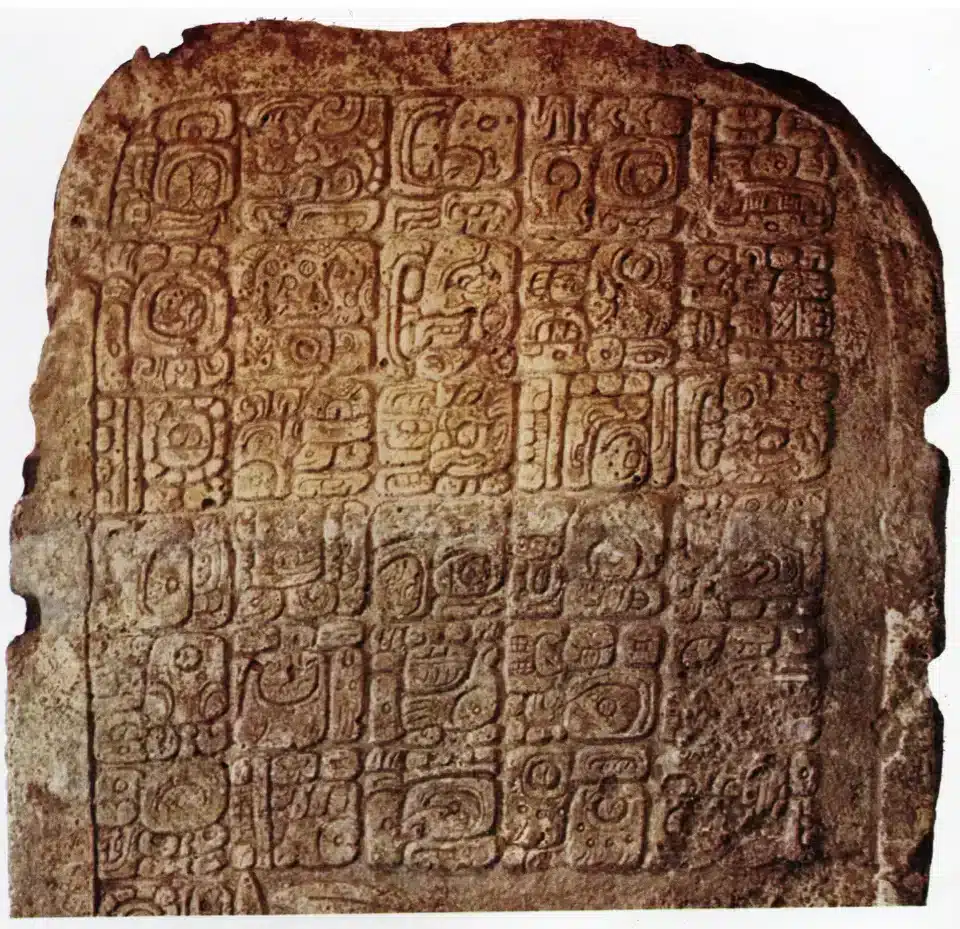
During the Classic period, especially among the Maya, there is also abundant written evidence. Stelae, monuments and murals such as those of Bonampak show scenes of battles, rituals and victories with a clear commemorative and historical sense.
Even if many of these inscriptions have not yet been fully deciphered, their purpose is not lost: they recorded key moments in the life of the communities, both earthly and spiritual.
New findings that change the narrative
Archaeology continues to add pieces to the puzzle. A good example is the discovery in El Mirador (Chiapas), where the remains of a codex were found together with pottery dating from the Teotihuacan III period, that is, between the third and sixth centuries. This shows that historical records did not begin in the post-classic period, but have much older roots in Mesoamerican development.
Conclusion: more than exclusive, it was more abundant
To state that only the Postclassic period was historical would be to reduce the richness of the Mesoamerican past. What we can say with certainty is that we have more written sources from that period, which facilitates its study and interpretation. However, historical memory already existed centuries before, only in different formats and frequencies.
Understanding this allows us to better appreciate the depth and continuity of Mesoamerican civilizations, recognizing that their link with the past and with their own records was an essential part of their identity.
–