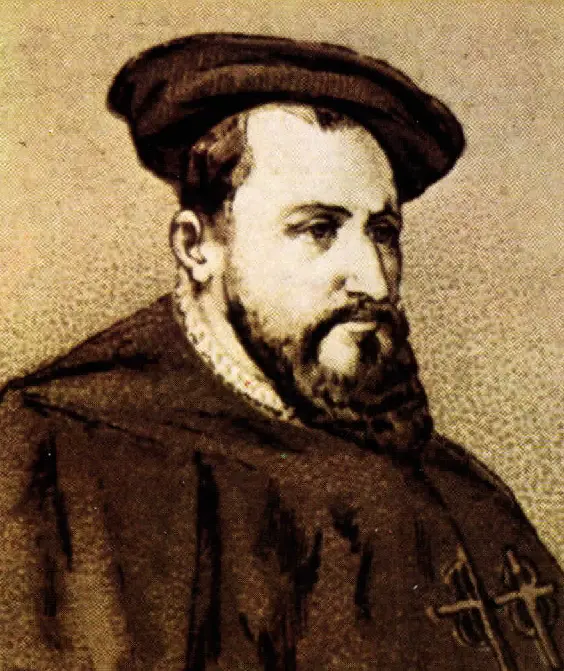
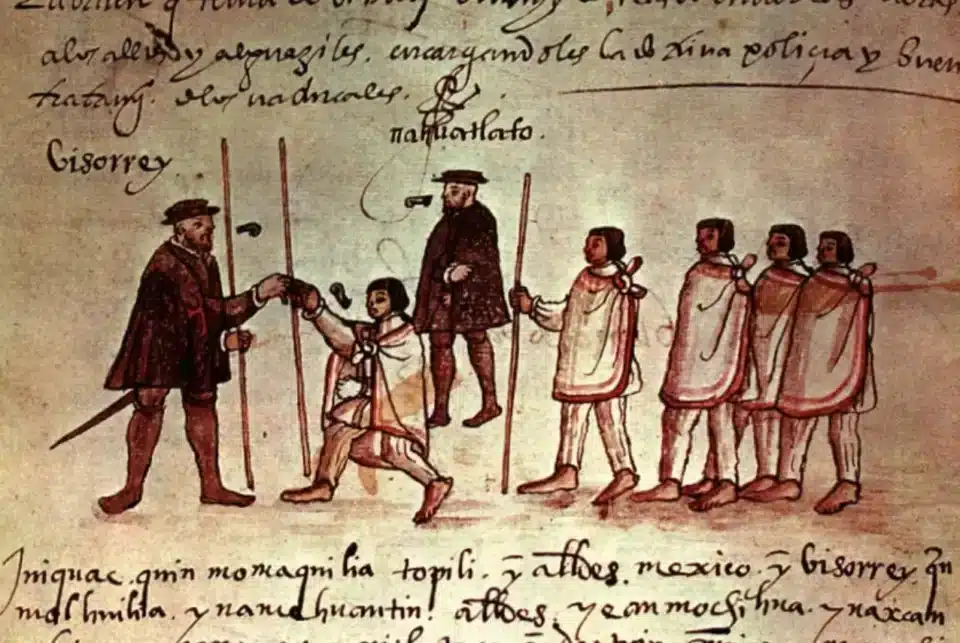
One of the ideological pillars of the viceregal administration in New Spain was the theoretical protection of the native peoples, a principle that the Catholic monarchy sought to establish through laws, decrees and government structures. This vision found its clearest representation in the figure of the viceroy, conceived as the “father of the natives”, that is, the one in charge of ensuring the welfare and justice of the indigenous peoples who had been integrated into the viceregal system.
The official discourse and some administrative measures reflected a real intention to protect these communities, particularly in the face of abuses by encomenderos, alcaldes mayores or corregidores. In several cases, the viceroys intervened directly to stop injustices or correct excesses. However, this protection was not always uniform or effective, and its enforcement depended on multiple factors: the will of the viceroy in office, the position of local officials and the social dynamics of each region.
In some cases, the original peoples were protected by viceregal decisions or by people committed to justice. However, on many other occasions they suffered abuse, exploitation and dispossession. The effectiveness of this protection depended to a large extent on the viceroy in office and local actors: mayors, corregidores, encomenderos or clergymen, some of whom defended indigenous rights, while others benefited from their subordination. This article explores how this image of the viceroy as protector was constructed, what legal mechanisms were implemented and how this protection -or its absence- was experienced in the daily life of the indigenous communities.
The viceroy as a tutelary figure
Since its establishment, the viceroy was presented as the direct representative of the king and, therefore, the one in charge of ensuring justice, good government and the protection of the inhabitants of New Spain. But while in theory he was supposed to guarantee the welfare of the entire population, in practice his role as “father of the natives”, that is, of the indigenous people who had become part of the dominions of the Catholic monarchy, was especially emphasized.
This metaphor was not accidental. It was a political and theological principle that placed the indigenous as a “minor” who had to be guided, instructed and protected. Within this framework, the viceroy had to:
- Avoid abuses by encomenderos, corregidores or clergymen.
- Ensure respect for the territorial rights of indigenous peoples.
- Supervise compliance with the Laws of the Indies.
- Channel complaints from the native communities to the Crown.

Legal protection mechanisms
The Crown of Castile enacted a series of legal provisions aimed at guaranteeing “good governance” over the indigenous peoples. Among them were:
The New Laws (1542)
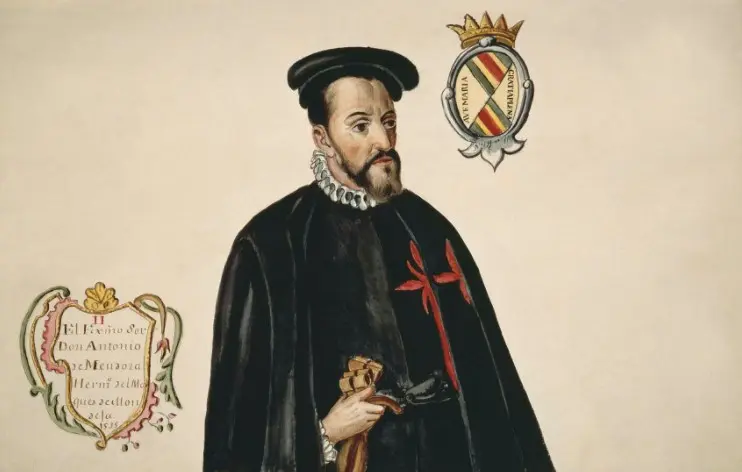
These laws attempted to curb the abuses of the encomenderos, prohibiting, among other things, indigenous slavery and limiting the perpetuity of the encomiendas. Antonio de Mendoza, the first viceroy, had to balance the application of these norms with the pressures of the peninsular colonists.
Visits and residency trials
The viceroy had the power to order visits to local officials, mayors or corregidores, and in serious cases, to initiate residency trials to sanction abuses documented by the indigenous peoples.
Interpreters and procurators
In some cases, the viceroy assigned indigenous procurators to defend the interests of their communities before the Royal Audiencia or even before the Crown. Official interpreters were also used to ensure that the indigenous people could understand – at least partially – the legal processes in which they were involved.
Contradictions and limits of protection
Although the figure of the viceroy as a protective father was well established in the official discourse, the structural tensions of the viceregal system meant that this protection was often more rhetorical than effective. The collection of tribute, the organization of forced labor, the interference of the corregidores and the interests of the encomenderos seriously limited the viceroy’s ability to fulfill this paternalistic ideal.
Even within the viceregal apparatus itself there were divisions. Some religious orders defended indigenous rights, while others competed for control of towns and tribute. The colonial bureaucracy, for its part, tended to favor those who had the resources to influence judicial or administrative decisions.
Conclusion on the viceroy as father of the natives
The image of the viceroy as “father of the natives” synthesizes the tension between the protective rhetoric of the Catholic monarchy and the reality of a viceregal structure that, in practice, was sustained by the exploitation of indigenous labor and the subordination of their ways of life. Although legal mechanisms were implemented to safeguard certain rights, the effectiveness of these measures depended on very diverse factors: the will of the viceroy in office, the interests of local actors, and the capacity of indigenous communities to resist or negotiate. This contradiction between discourse and practice profoundly marked the viceregal experience of the native peoples in New Spain.
–