Traditions of Mexico

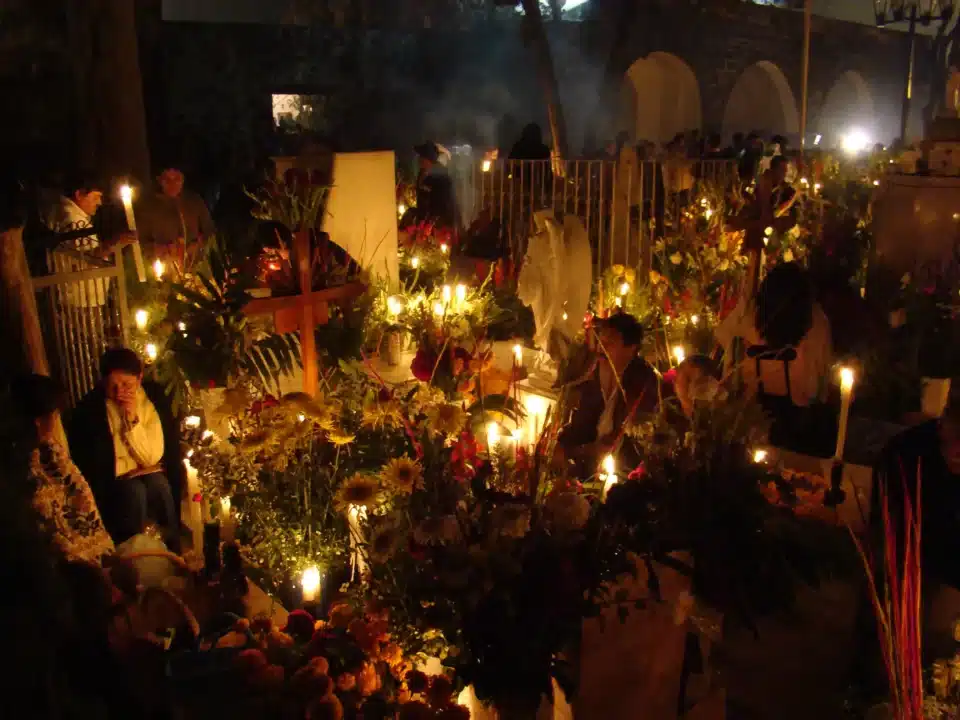
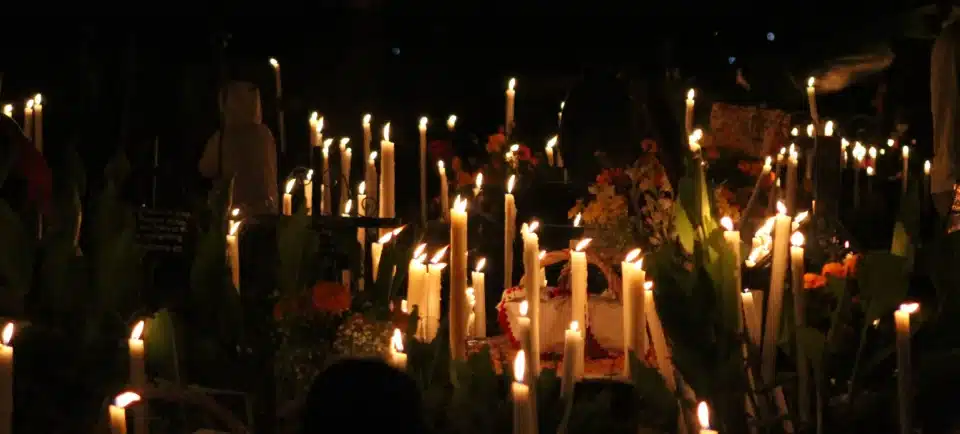
Scene of the Day of the Dead "alumbrada" in San Andrés Mixquic, Mexico City (November 2, 2009). Photo: Thelmadatter. License: CC BY-SA 3.0.
October 22, 2025

From evangelization to syncretism: the Days of the Souls in New Spain (predecessor of the modern Day of the Dead)

The Days of the Dead in New Spain were the result of the encounter between indigenous beliefs about death and the Catholic festivities instituted by Popes Gregory III and IV. This syncretism, promoted and tolerated by the friars, transformed the ancient ancestor cults into a mestizo celebration that endures in the Day of the Dead.

History of Mexico
Read More From evangelization to syncretism: the Days of the Souls in New Spain (predecessor of the modern Day of the Dead)
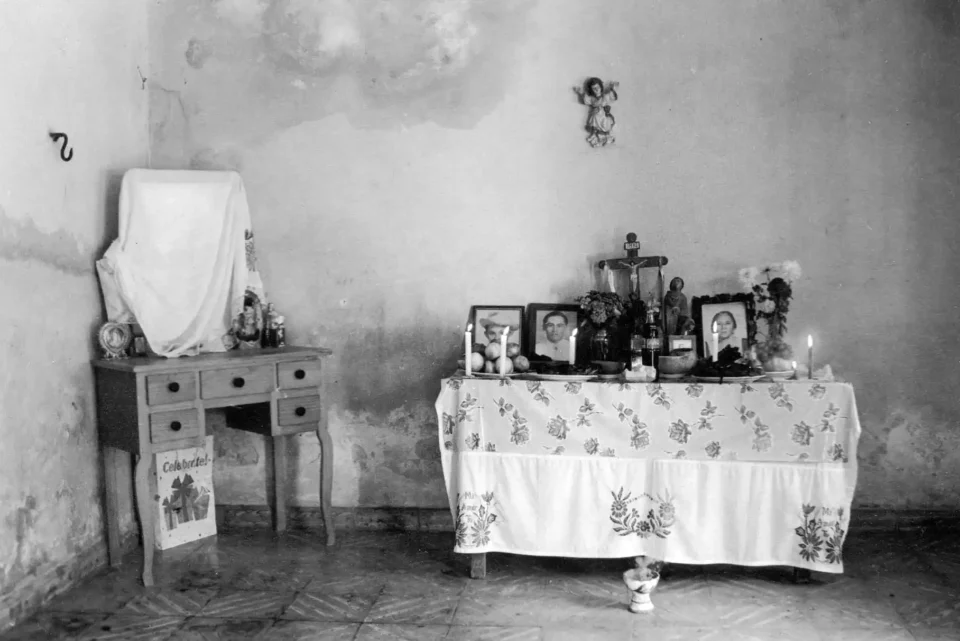
Altar de Hanal Pixán en Ucú, Yucatán; la familia cubrió el espejo para que el espíritu no se vea cuando acude a sus ofrendas. Foto: Juan Manuel Arana Ravell, 1 de septiembre de 2016. Licencia: CC BY-SA 4.0.
October 22, 2025

Day of the Dead altars and ofrendas: symbols of the reunion between the living and the dead

The Day of the Dead altars were born during the viceregal era as an adaptation of the indigenous offerings to the Catholic calendar. In them, the Spanish domestic altar and the Mesoamerican symbolic elements were united, giving origin to a tradition that even today preserves the cempasúchil, the bread of the dead and the memory of the ancestors.

History of Mexico
Read More Day of the Dead altars and ofrendas: symbols of the reunion between the living and the dead
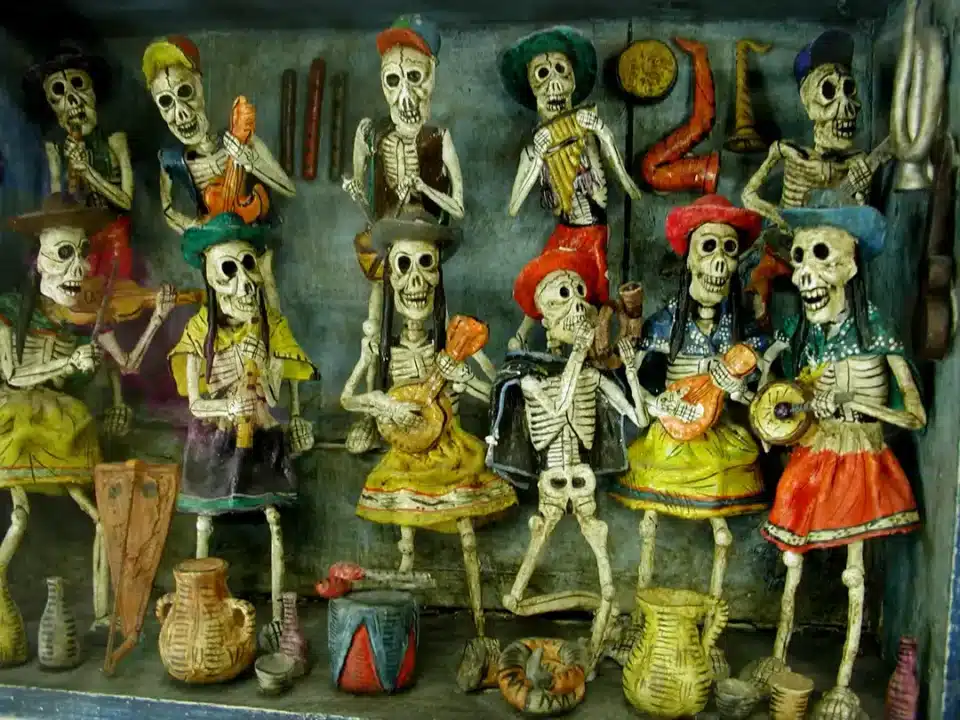
Detalle del anverso de una mesa ofrenda del Día de Muertos. Fotografía: Smithsonian Institution, 2010. Licencia: CC BY-SA 2.0.
October 22, 2025

Lázaro Cárdenas and the transformation of the Day of the Dead: from the Days of the Dead to the Mexican national symbol.

The Days of the Souls, inherited from the Viceroyalty, survived wars and prohibitions until it was transformed into the modern Day of the Dead. Under the cultural impulse of Lázaro Cárdenas, this tradition became a symbol of Mexican identity.

History of Mexico
Read More Lázaro Cárdenas and the transformation of the Day of the Dead: from the Days of the Dead to the Mexican national symbol.
Día de Muertos en el cementerio local de Tzintzuntzan, Michoacán. Foto: autor desconocido / Wikimedia Commons. Licencia: CC BY-SA 4.0.
October 22, 2025

Regional Day of the Dead Celebrations: from Patzcuaro to Mixquic, the diversity of the tradition

From Patzcuaro to Yucatan, Day of the Dead celebrations reveal Mexico’s cultural diversity. Each region preserves unique rituals – the Mixquic alumbrada, the Mayan Hanal Pixán or the Oaxacan altars – that keep alive the tradition of honoring the dead.

History of MexicoNo category
Read More Regional Day of the Dead Celebrations: from Patzcuaro to Mixquic, the diversity of the tradition
Comreciantes Mexicas
July 28, 2025

The path of a pochteca (Mexica trader)

This Nahuatl text, collected by Sahagún’s indigenous informants and translated by Ángel María Garibay, reveals the initiatory journey of a young Pochteca. Through words loaded with symbolism and teachings, we learn about the physical, spiritual and emotional challenges of being a merchant in the Mexica world. An intimate portrait of the honor, effort and hope that drove these ancestral paths.

History of Mexico
Read More The path of a pochteca (Mexica trader)
Plantas medicinales mexicas
July 27, 2025

Mexica agricultural work: labor diversity in the countryside

Agricultural work in the Mexica lordship was key to sustaining its economy. Different social groups, from calpulli peasants to tenant farmers and mayeque, actively participated in food production, with tasks differentiated according to their origin and link to the land. This system reflects the complexity of the Mexica social structure applied to the countryside.

History of Mexico
Read More Mexica agricultural work: labor diversity in the countryside

Traditions of Mexico: identity, culture and living heritage
Mexico’s traditions are cultural expressions that combine pre-Hispanic, colonial and modern elements, giving shape to a unique and diverse identity. Through festivals, rituals, music, gastronomy and customs, the Mexican people have preserved and transformed their roots, creating a cultural heritage that is recognized around the world.

Parties and celebrations
Festivities are one of the pillars of Mexican tradition:

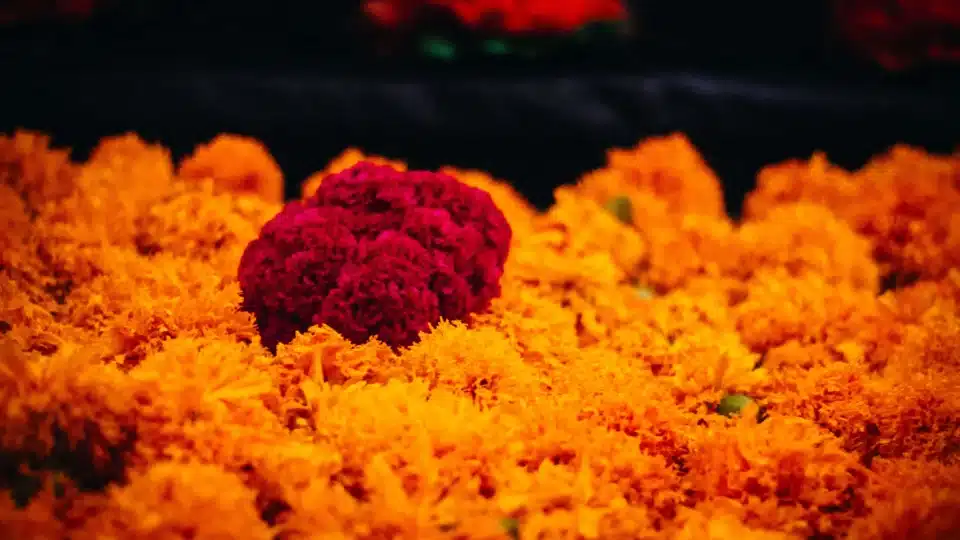
Day of the Dead, with ofrendas, cempasúchil flowers and family altars.

Fiestas patrias, especially on September 15 and 16 with the Grito de Independencia.

Holy Week, celebrated with processions, performances and pilgrimages.

The posadas and Christmas, which combine songs, piñatas and typical food.

Traditional gastronomy
Mexican cuisine, recognized as Intangible Heritage of Humanity by UNESCO, reflects the cultural richness of the country:

Tamales, pozole and mole, with pre-Hispanic and mestizo roots.

Tacos and antojitos, part of everyday life.

Chocolate and corn, sacred symbols inherited from Mesoamerica.

Music and dance
Rhythm and dance are an essential part of the celebrations:

Mariachi, originally from Jalisco, musical icon of Mexico.

Jarabe tapatío, considered the national dance.

Son jarocho and huapango, with indigenous, African and European influences.

Ritual dances, such as the voladores de Papantla.

Regional traditions
Each region of Mexico brings its own cultural practices:

Guelaguetza in Oaxaca, a community celebration of dance and music.

Carnival of Veracruz, full of comparsas and Afro-Caribbean rhythms.

Charrería, considered the national sport.

Handicrafts, from textiles from Chiapas to ceramics from Puebla.

Conclusion
Mexico’s traditions are a reflection of a diverse country that has kept its roots alive throughout the centuries. From pre-Hispanic rituals to modern festivals, they are part of everyday life and strengthen cultural identity, being transmitted from generation to generation.