XVI Century

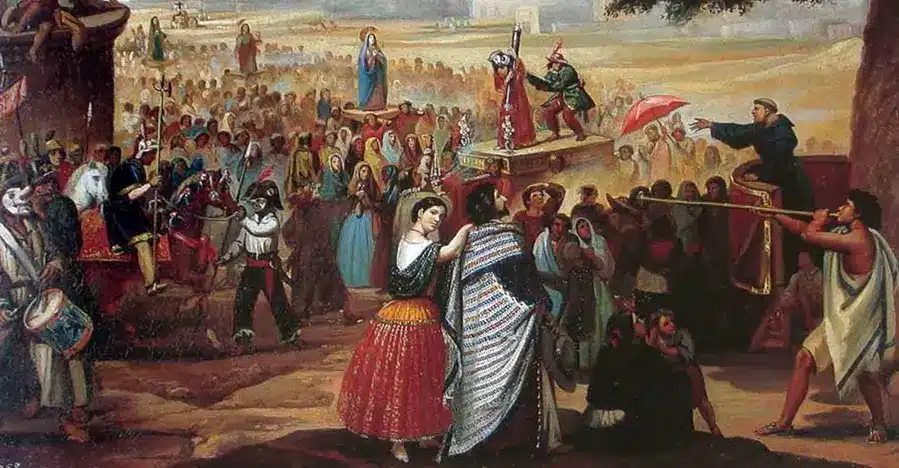
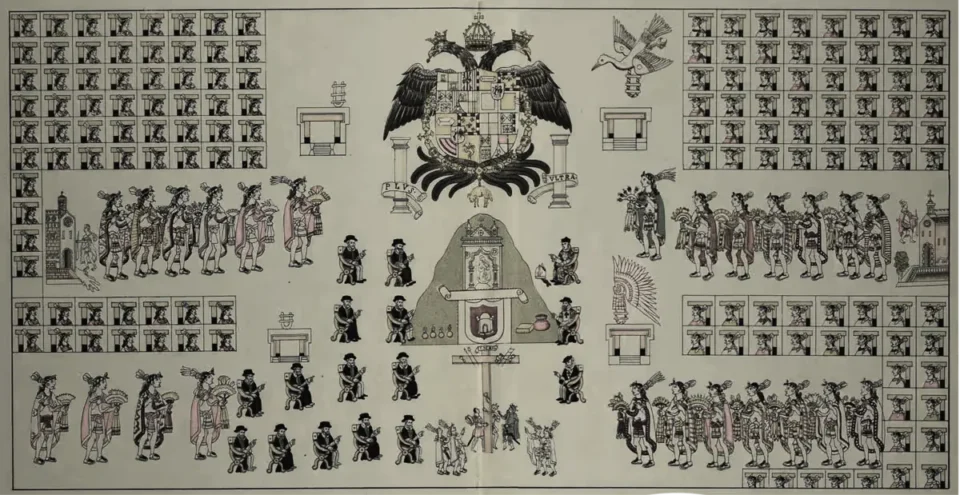
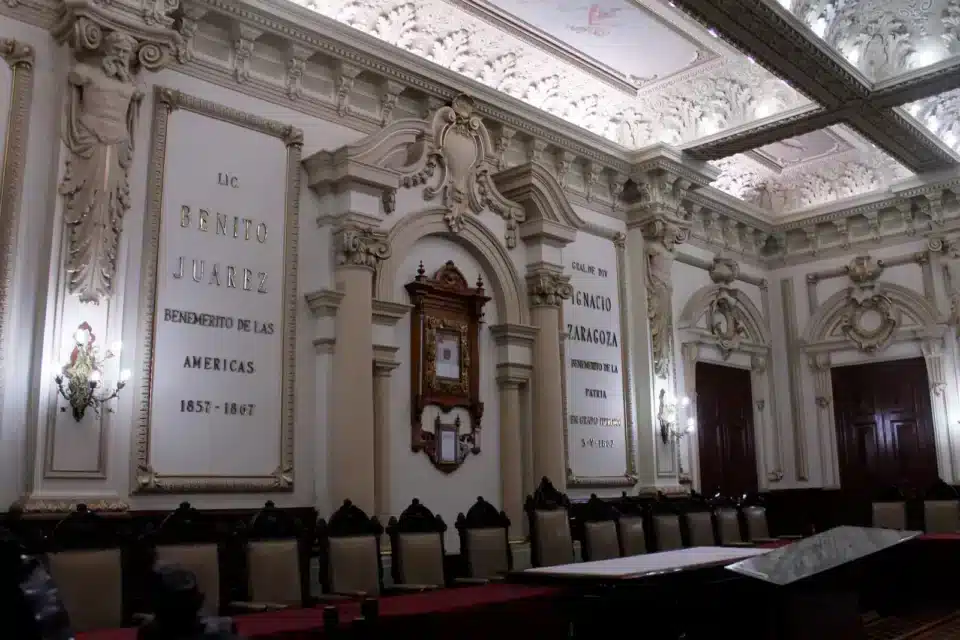
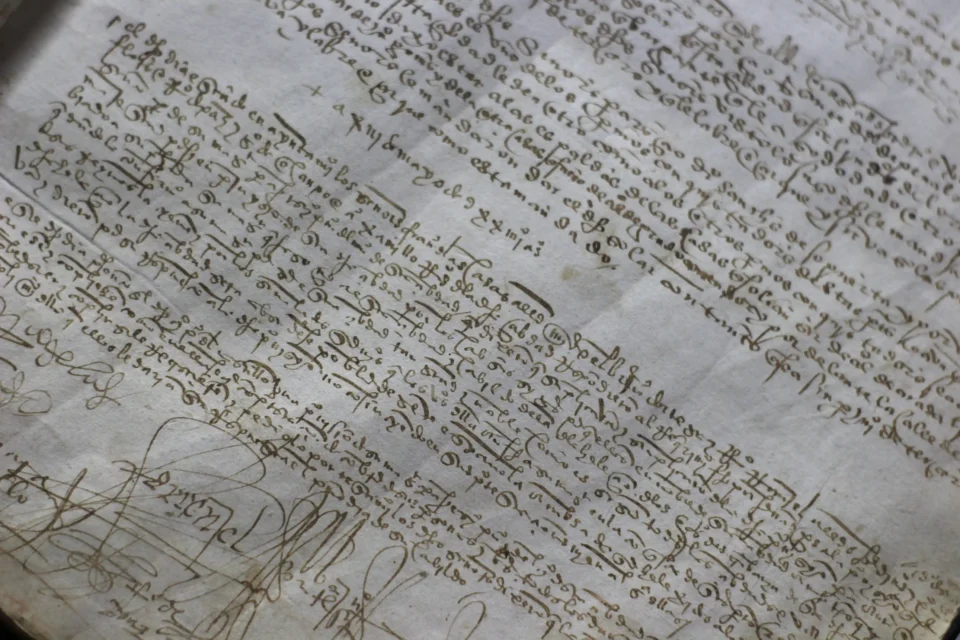
First minutes of the Mexico City Council
February 12, 2026

Indigenous councils and the “order of the republic”: political reorganization and control in the 16th century

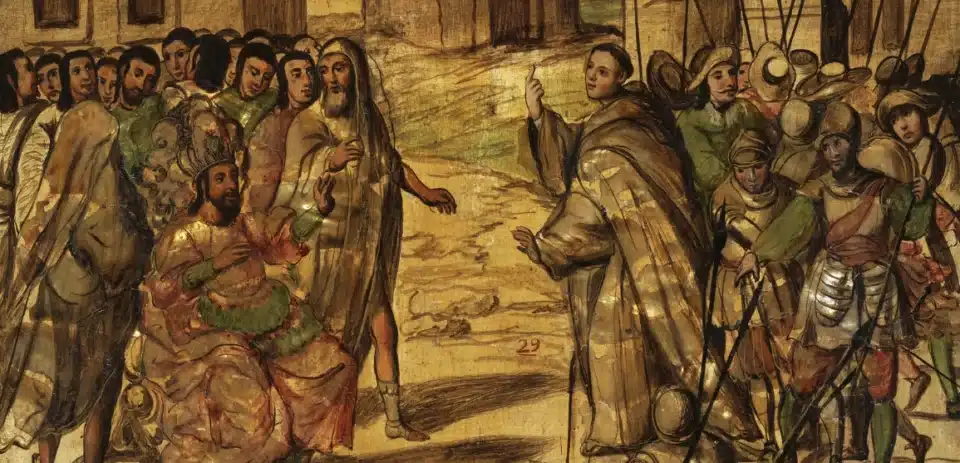
Los cabildos indígenas fueron órganos clave en la reorganización política de la Nueva España durante el siglo XVI, actuando como intermediarios entre la Corona de Castilla y las comunidades locales, y mostrando un delicado equilibrio entre control virreinal y continuidad indígena.

History of Mexico
Read More Indigenous councils and the “order of the republic”: political reorganization and control in the 16th century
Miguel González and Juan González, 1698
February 10, 2026

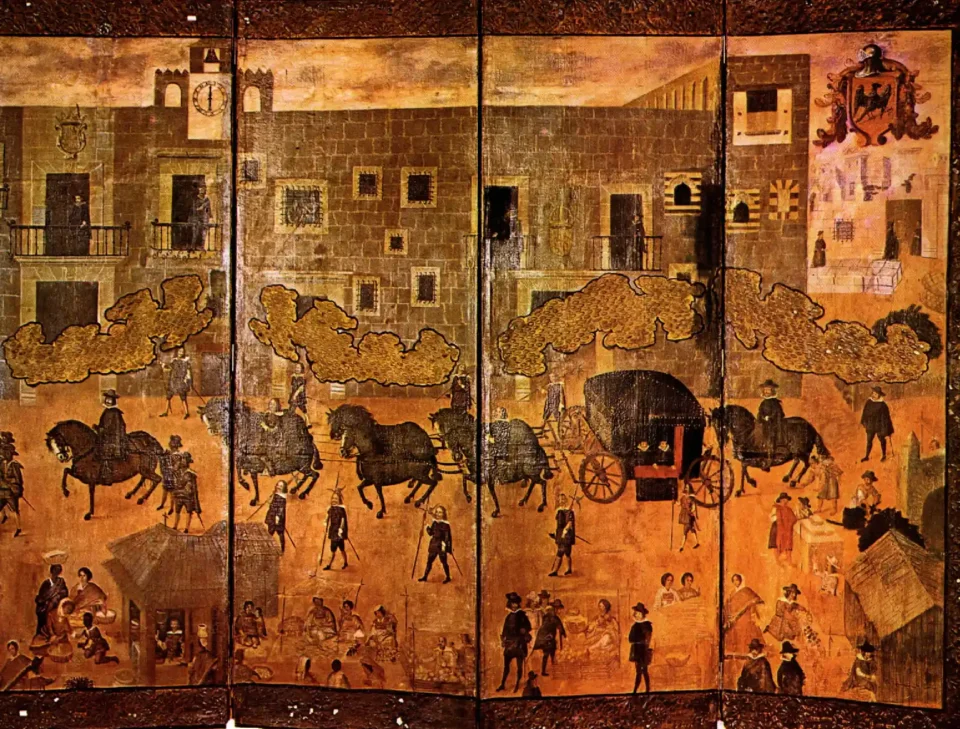
The two republics in New Spain: indigenous peoples, Spaniards, and the viceregal social order (16th century)

Durante el siglo XVI, la Corona de Castilla organizó la sociedad novohispana bajo el modelo de las dos repúblicas: la de indígenas y la de españoles. Este artículo analiza su fundamento legal, su aplicación práctica y las tensiones que surgieron en la vida cotidiana del virreinato.
History of Mexico
Read More The two republics in New Spain: indigenous peoples, Spaniards, and the viceregal social order (16th century)
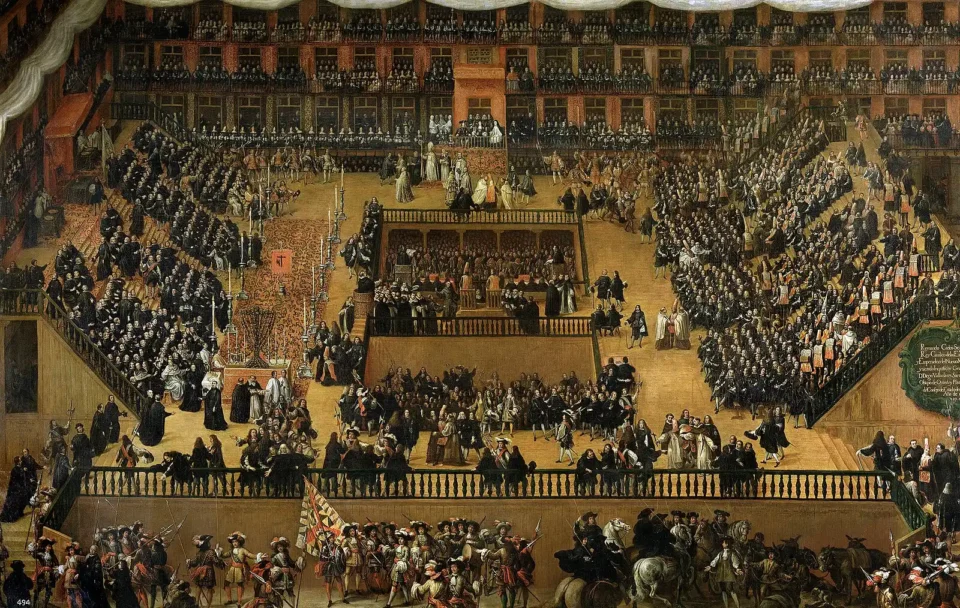
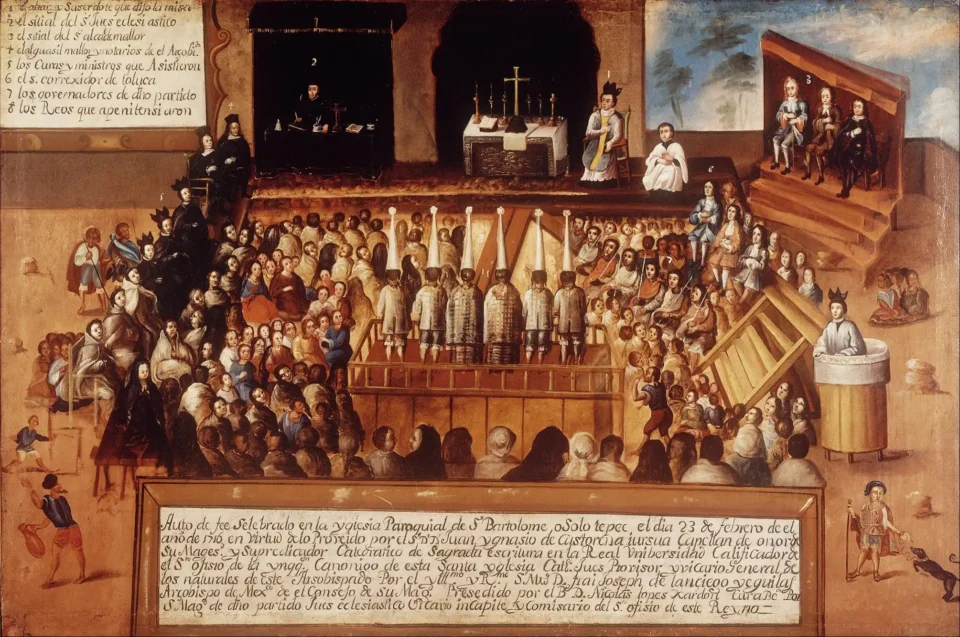
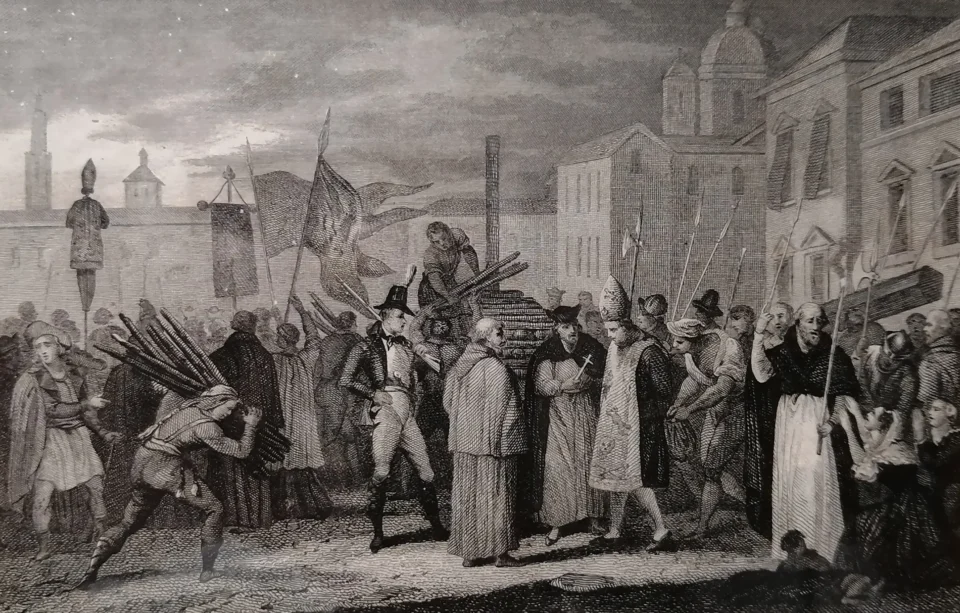
Auto de fe in the town of San Bartolomé Otzolotepec.
September 21, 2025

The Tribunal of the Holy Office in New Spain: origins, oaths and autos de fe (oaths and autos de fe)

The installation of the Tribunal of the Holy Office in New Spain in 1571 transformed the religious life of the viceroyalty. From oath ceremonies and edicts of grace to the most famous autos de fe, this article narrates how inquisitorial power was consolidated in New Spain’s society.

History of Mexico
Read More The Tribunal of the Holy Office in New Spain: origins, oaths and autos de fe (oaths and autos de fe)
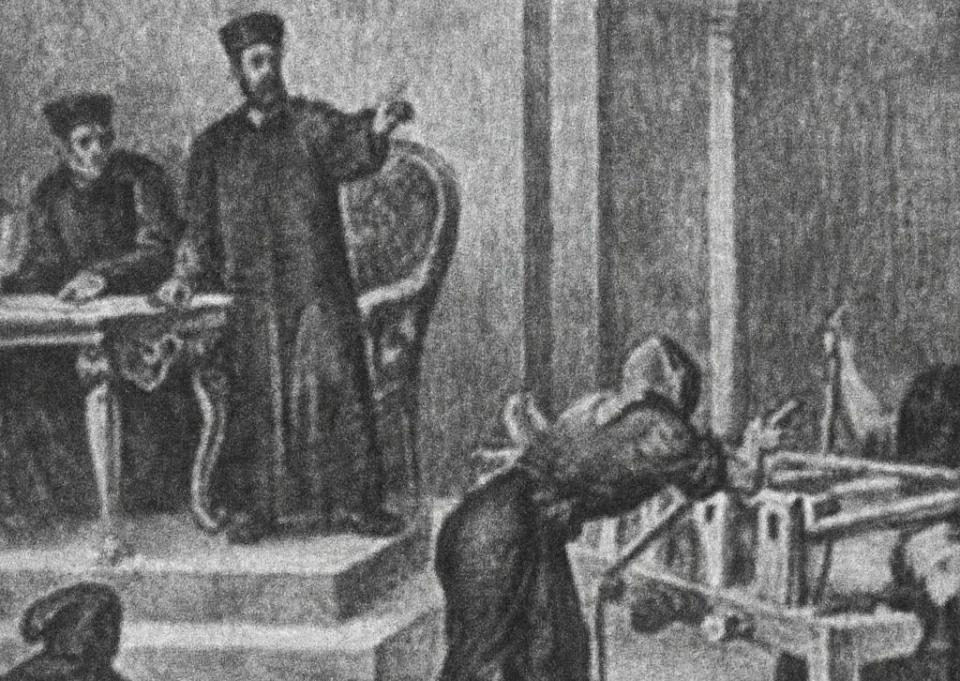
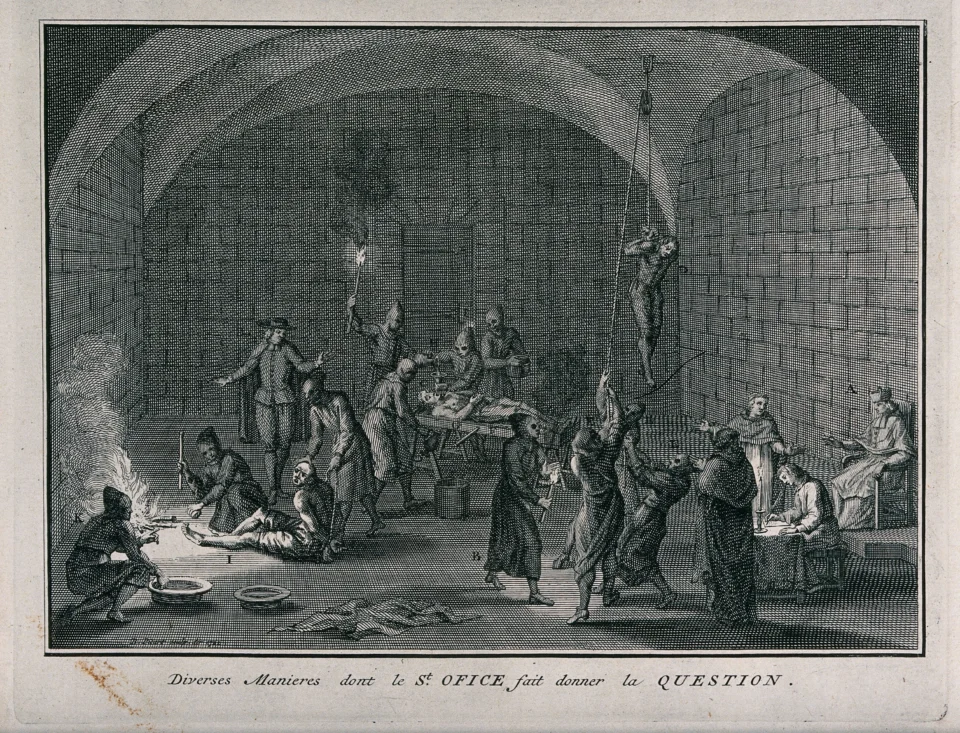
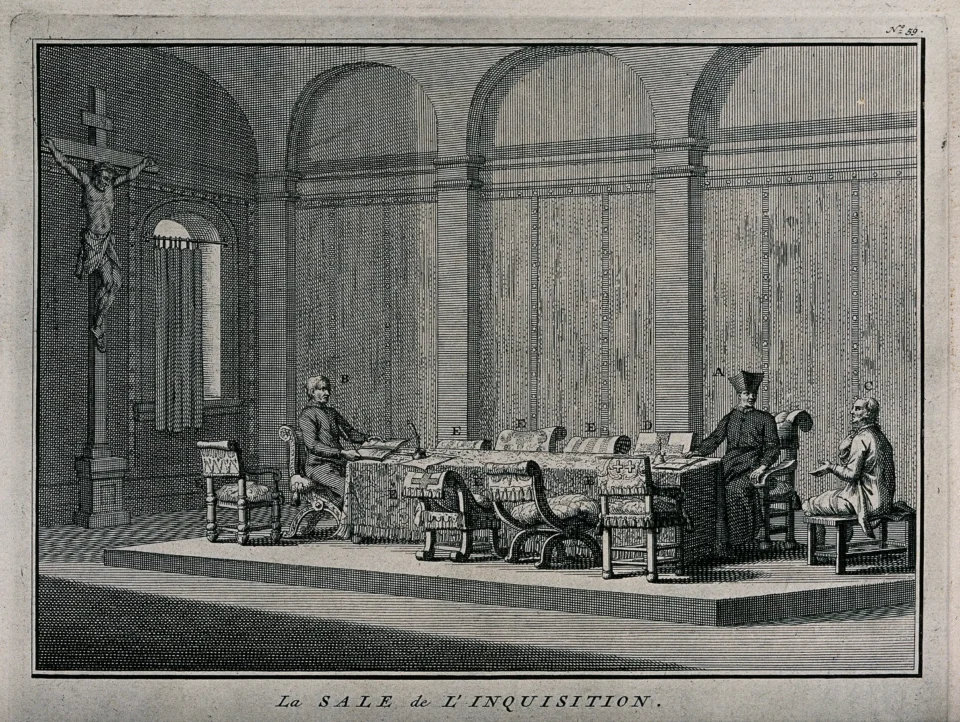
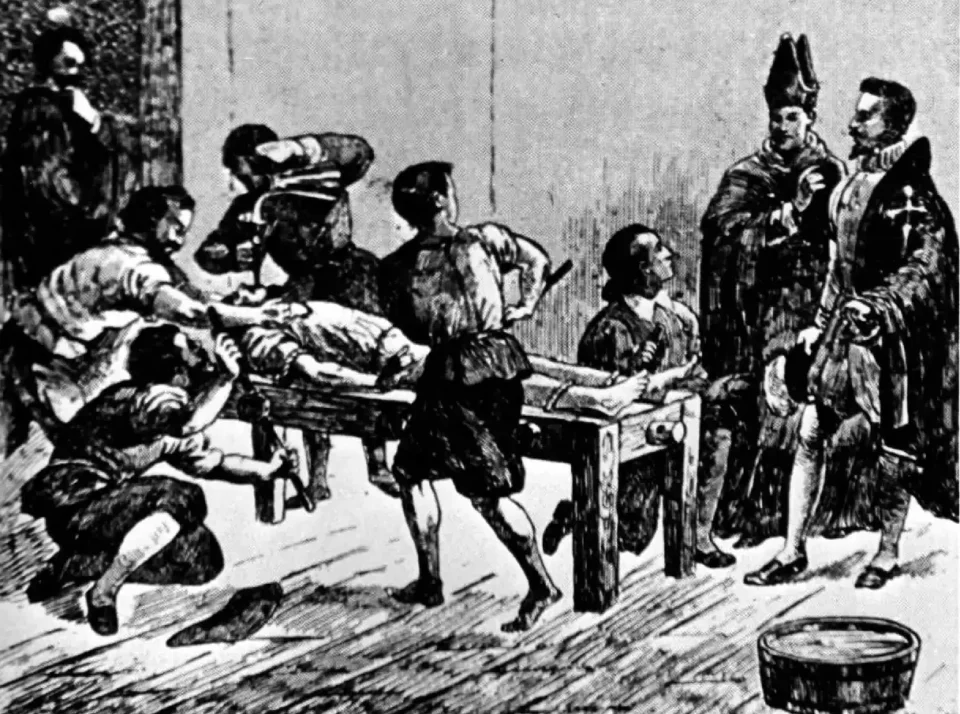
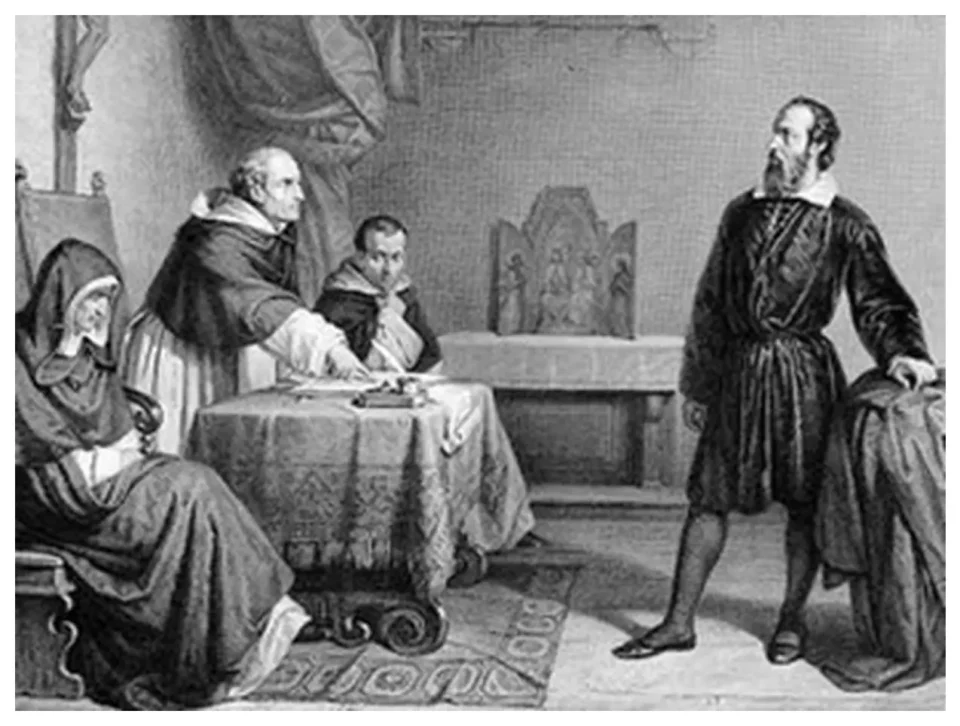
Interrogation room of the Spanish Inquisition.
September 14, 2025

Origins of the Inquisition in New Spain: from the religious control to the first autos de fe (acts of faith)

The Inquisition in New Spain was officially established in 1571 under Pedro Moya de Contreras, but its antecedents date back to the religious controls exercised since the early years of the viceroyalty. This article reviews its foundation, the crimes it prosecuted and the first auto de fe in Mexico.

History of Mexico
Read More Origins of the Inquisition in New Spain: from the religious control to the first autos de fe (acts of faith)
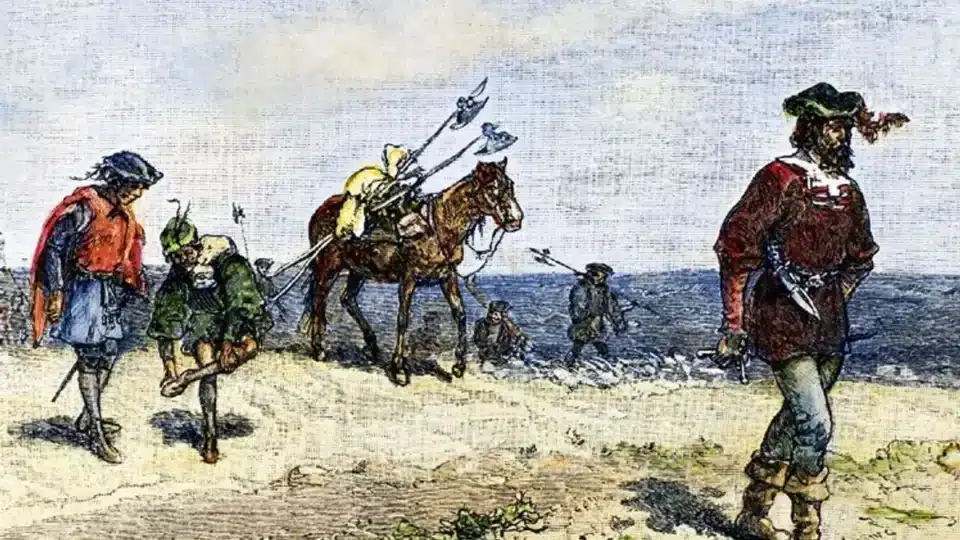
Franciso Vazque s de Coronado expedicion a Cibloa
August 16, 2025

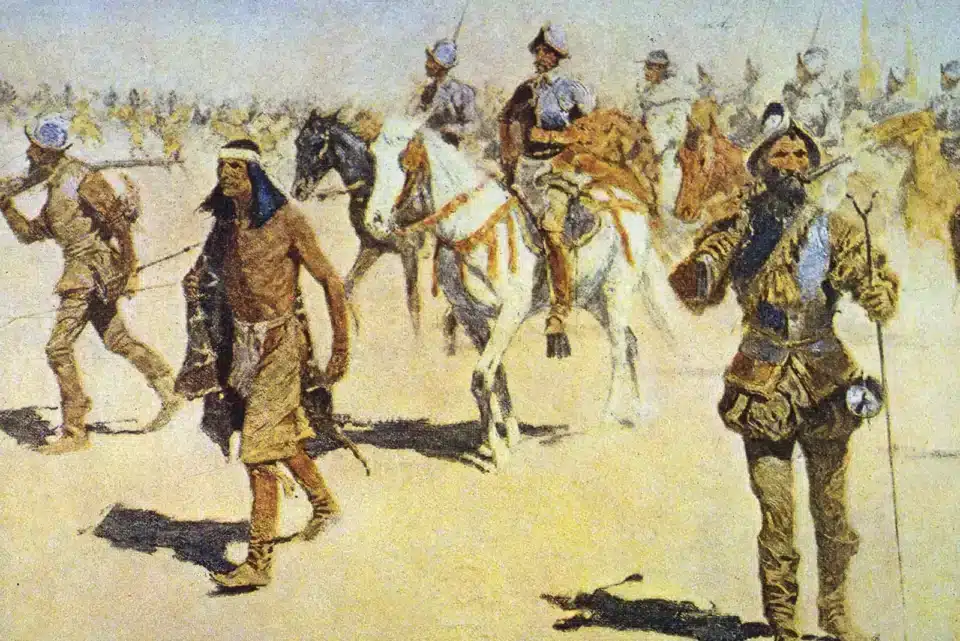
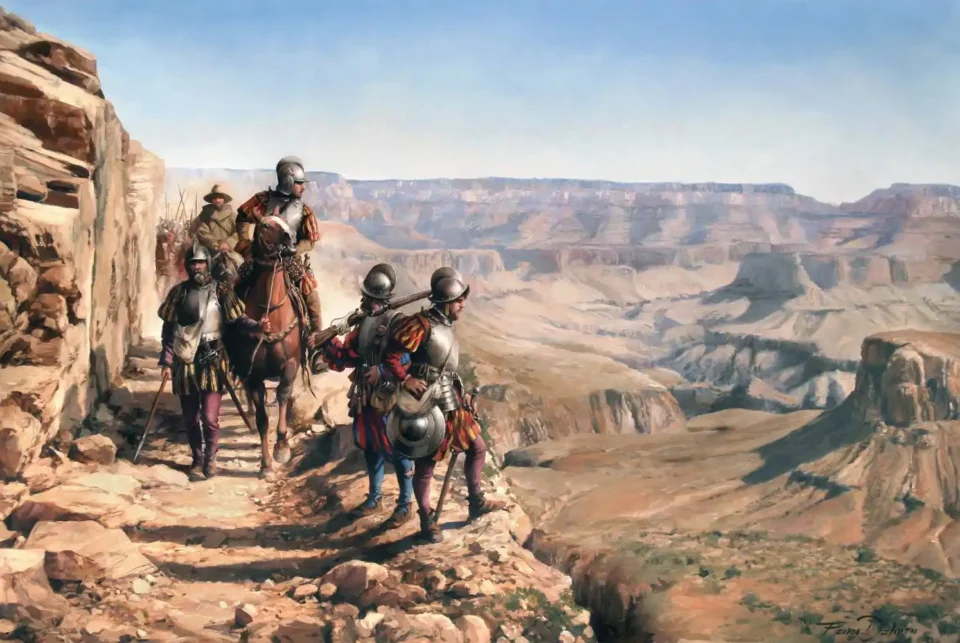
Francisco Vázquez de Coronado and the expedition to Cíbola: from the golden myth to the arid territory.

Prompted by the stories of Friar Marcos de Niza, Francisco Vázquez de Coronado led an expedition in search of the legendary Seven Cities of Gold. What he found, however, was a vast arid territory, resistant tribes and a bitter lesson on the limits of myth versus reality. This expedition, although unsuccessful in its initial objective, left a profound impact on the cartography and geographical knowledge of the northern part of the viceroyalty of New Spain.

History of Mexico
Read More Francisco Vázquez de Coronado and the expedition to Cíbola: from the golden myth to the arid territory.
Descubrimiento del rio Mississipi
August 13, 2025

The taking of possession in New Spain: ritual, symbolism and justification of dominion.

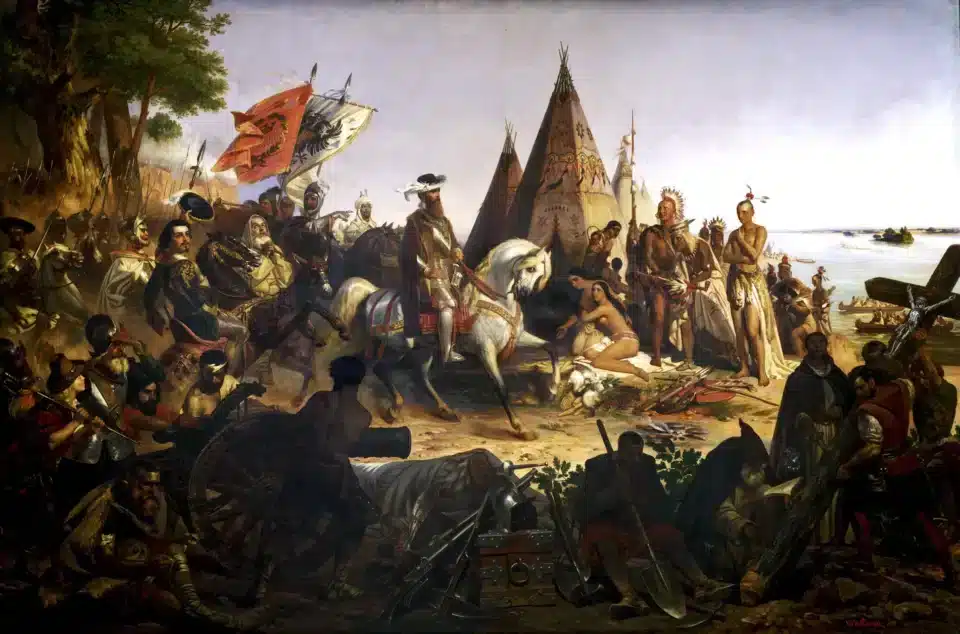
In 1598, Juan de Oñate took possession of lands in the north of the viceroyalty of New Spain. This act not only implied a legal procedure, but also a symbolic strategy to legitimize the dominion over territories already inhabited by indigenous peoples. In this article we analyze the context, the ritual and its implications, highlighting the tensions between the Castilian imperial order and indigenous ways of life and organization.

History of Mexico
Read More The taking of possession in New Spain: ritual, symbolism and justification of dominion.
Juan de Oñate
August 11, 2025

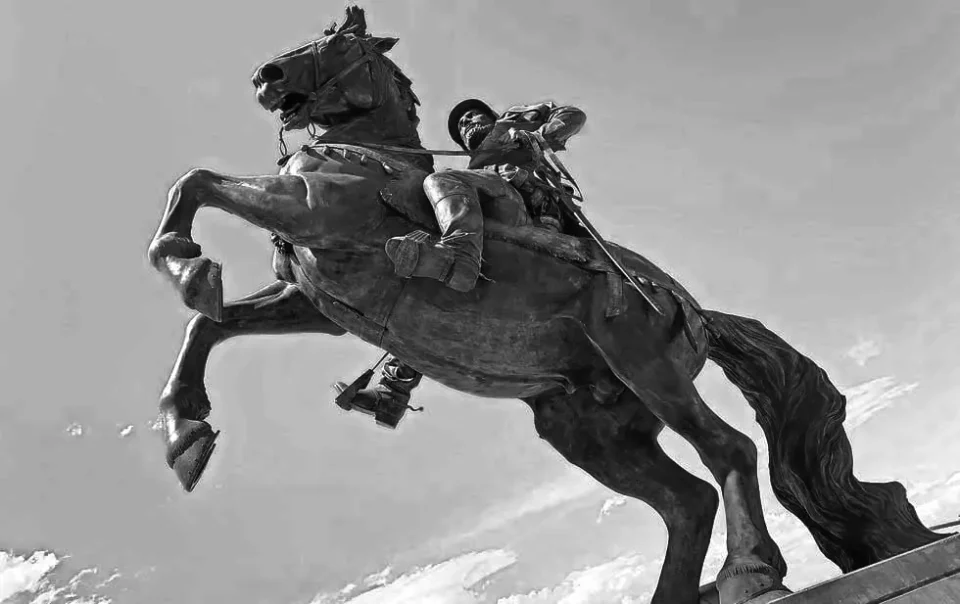
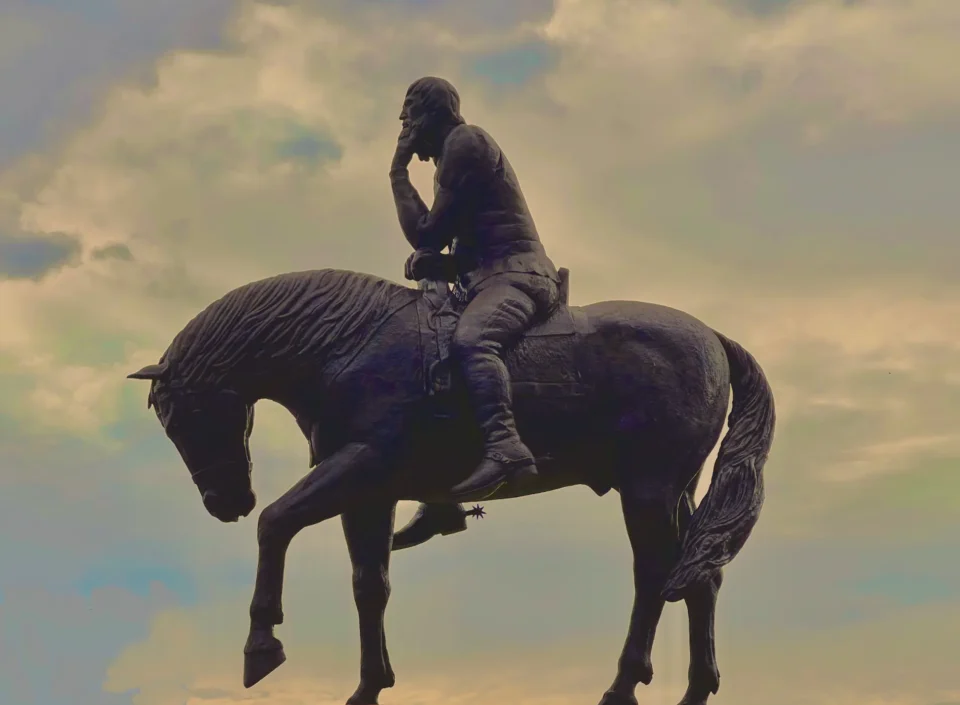
Juan de Oñate and the hard beginnings of New Mexico: ambitions, resistance and uprooting

Juan de Oñate’s entry into the northern territories in 1598 was an enterprise laden with imperial expectations and human frustrations. Under promises of wealth, evangelization and dominion, his expedition faced the harsh reality of the landscape, the resistance of the native peoples and the attrition of his own people. This article recounts the complex beginning of the so-called New Mexico, from the symbolic takeover to the disenchantment that accompanied its colonization.

History of Mexico
Read More Juan de Oñate and the hard beginnings of New Mexico: ambitions, resistance and uprooting
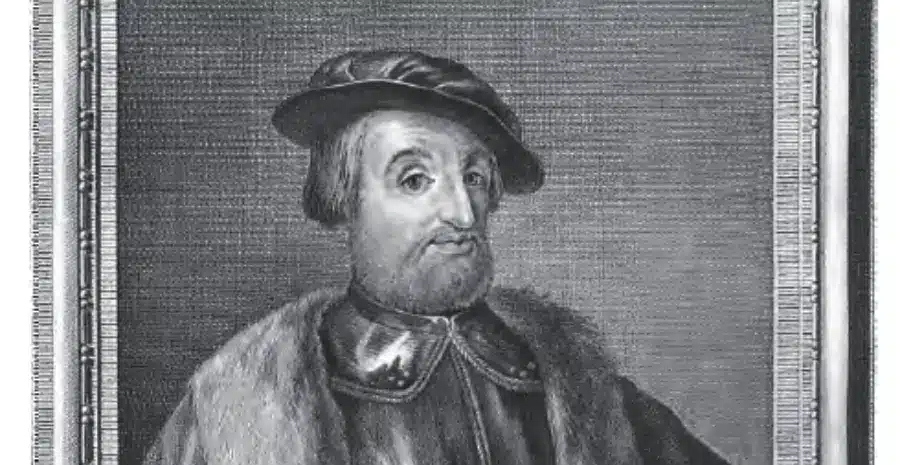
Expedicioines- hernan cortes y sus aliados indigenas
August 7, 2025

Territorial expansion in the origins of New Spain: alliances, exploration, and resistance

The territorial expansion that gave rise to New Spain combined exploration routes, rivalries between figures such as Cortés and Guzmán, and alliances with indigenous peoples such as the Tlaxcaltecs, Huejotzings, and Totonacs. But upon reaching the north, resistance from nomadic peoples completely transformed the strategies of the viceroyalty in formation.

History of Mexico
Read More Territorial expansion in the origins of New Spain: alliances, exploration, and resistance
Alvar Nuñes Caveza de Vaca
August 5, 2025

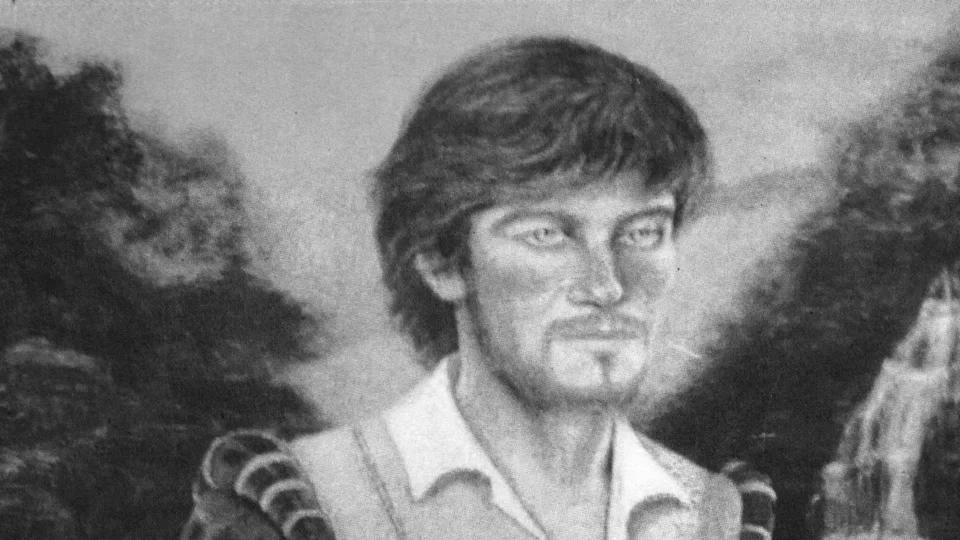
Álvar Núñez Cabeza de Vaca and the origin of new expeditions: between shipwrecks, healing, and survival

In 1536, Álvar Núñez Cabeza de Vaca arrived in New Spain after an unexpected journey through the north of the continent. His account, full of encounters, shipwrecks, and healing rituals, aroused the interest of Viceroy Antonio de Mendoza and led to new expeditions in search of the regions he described.

History of Mexico
Read More Álvar Núñez Cabeza de Vaca and the origin of new expeditions: between shipwrecks, healing, and survival

16th century in Mexico: the beginning of the Viceroyalty of New Spain
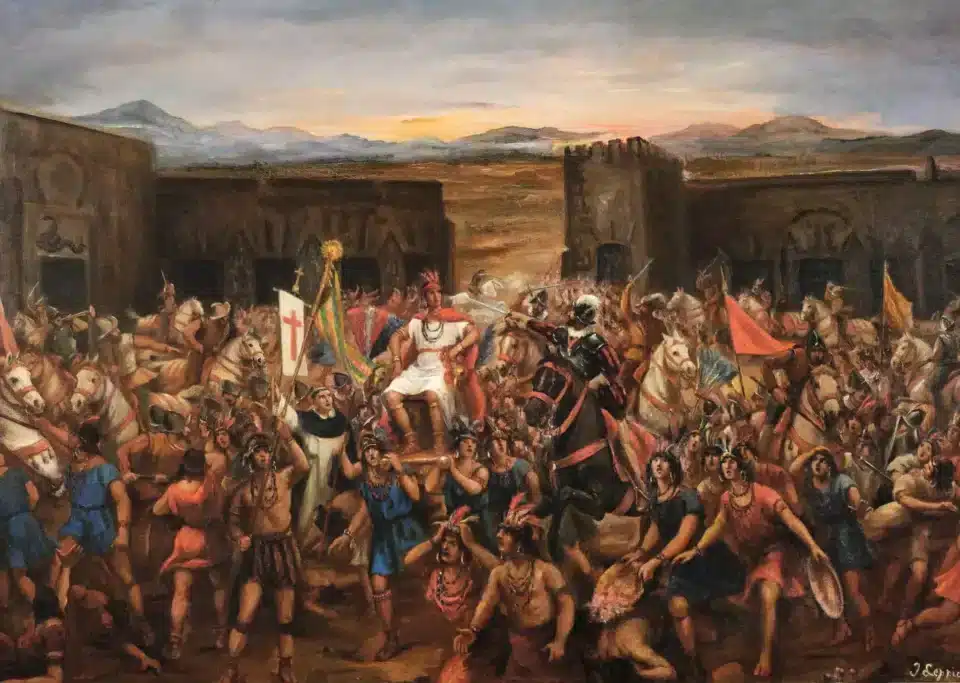
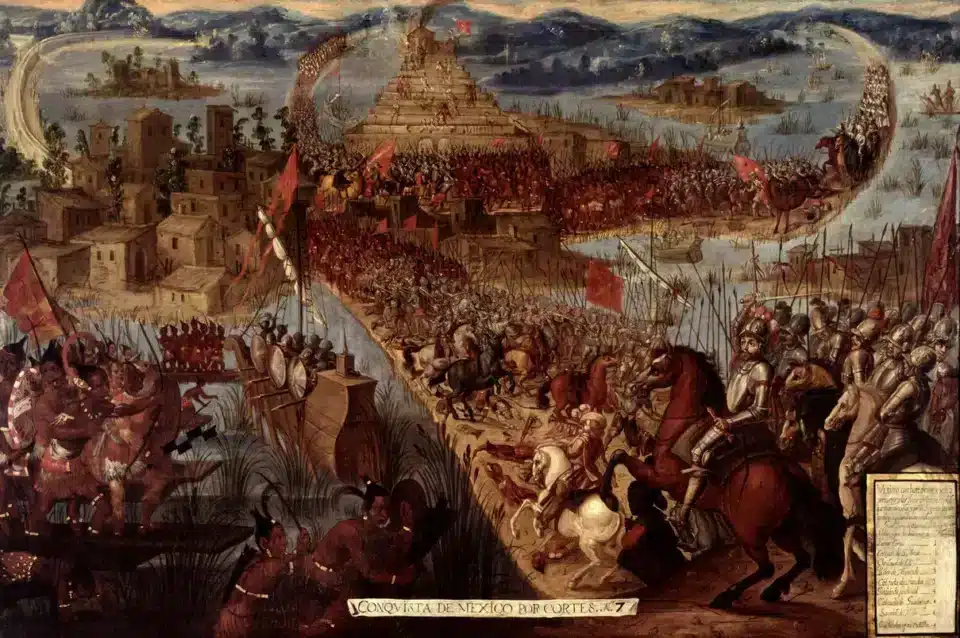
The 16th century in Mexico was a decisive period marked by political, social, religious and cultural transformations. After the military coalition formed by Cortés and his indigenous allies against the Mexica dominion, the Mesoamerican territories became part of the Catholic monarchy, under the viceregal administration organized by the Crown of Castile. This process gave rise to the birth of New Spain, a viceroyalty that consolidated its position as one of the most important centers of the Hispanic world.
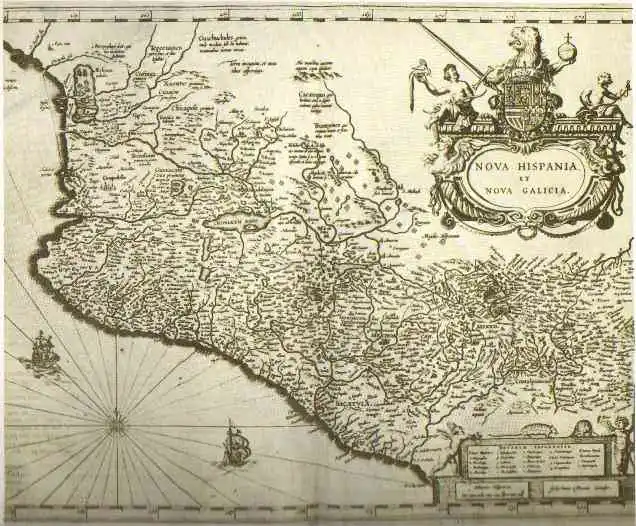
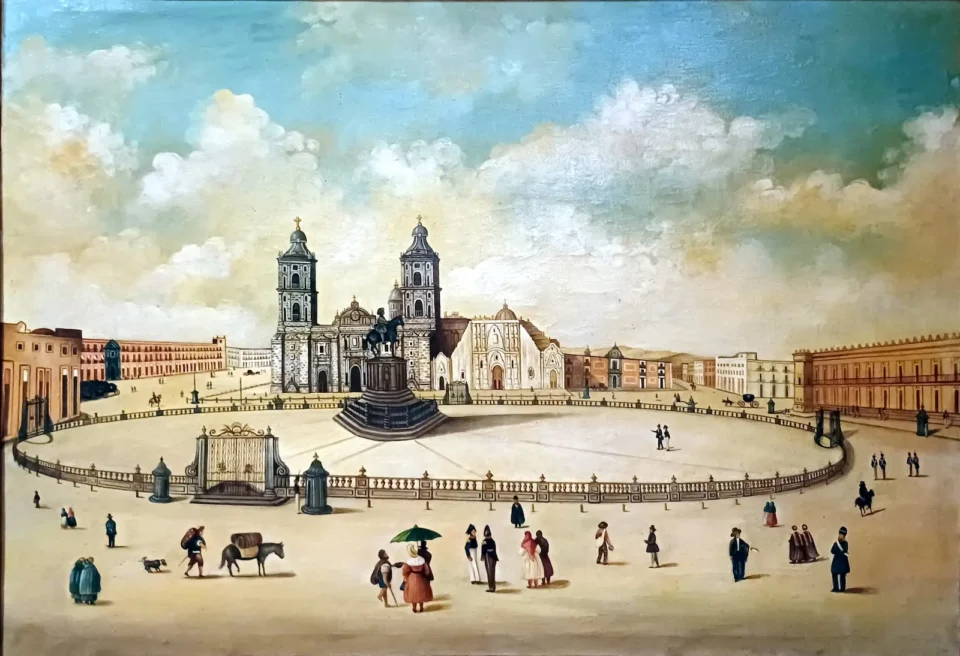
During this century, Mexico City emerged as a political, economic and religious nucleus, while the viceregal domains expanded to the north, south and Pacific seas.

The Establishment of the Viceroyalty of New Spain
In 1535 the viceroyalty was formally instituted, with Antonio de Mendoza as its first viceroy. The structure of government combined Castilian institutions – such as the Real Audiencia de México, based in Mexico City – with the crucial role of indigenous allies who kept their cabildos and local authorities under viceregal supervision.
The administration sought to control the territory, organize tribute and guarantee evangelization, which made the Catholic Church a central actor in daily life. The first dioceses and religious orders arrived with the mission of spreading the faith and at the same time consolidating viceregal power.

Economic and social transformations
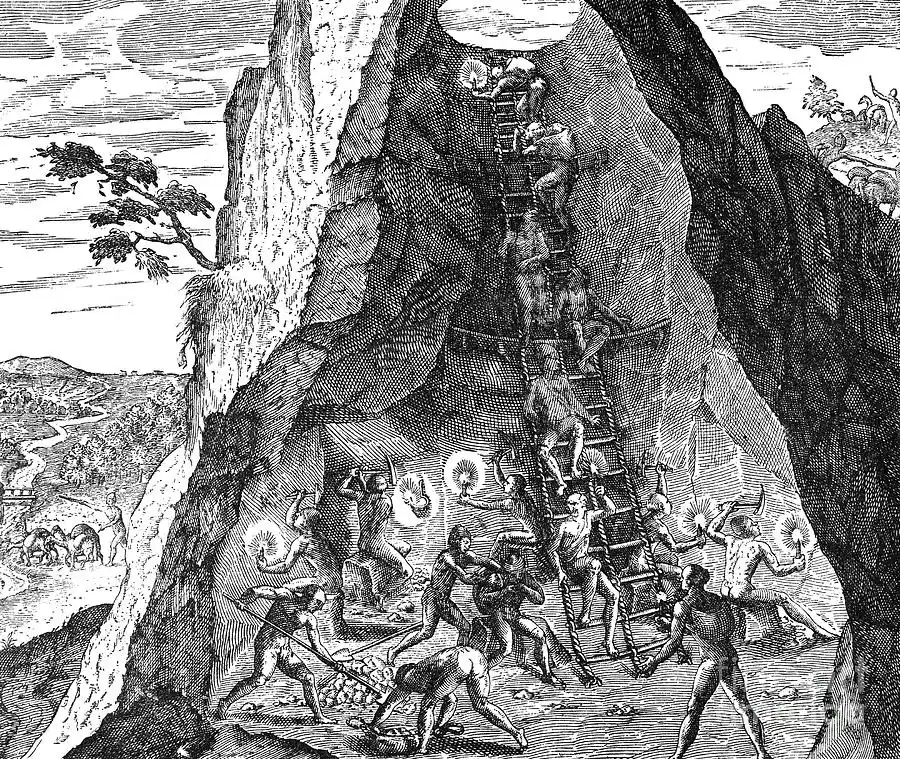
The sixteenth century was also the scene of profound changes in the economy. Silver mining, especially in places like Zacatecas, spurred the development of trade routes and the emergence of new cities. Cattle ranching and agriculture introduced European products, which were mixed with indigenous practices, giving rise to a hybrid economy.
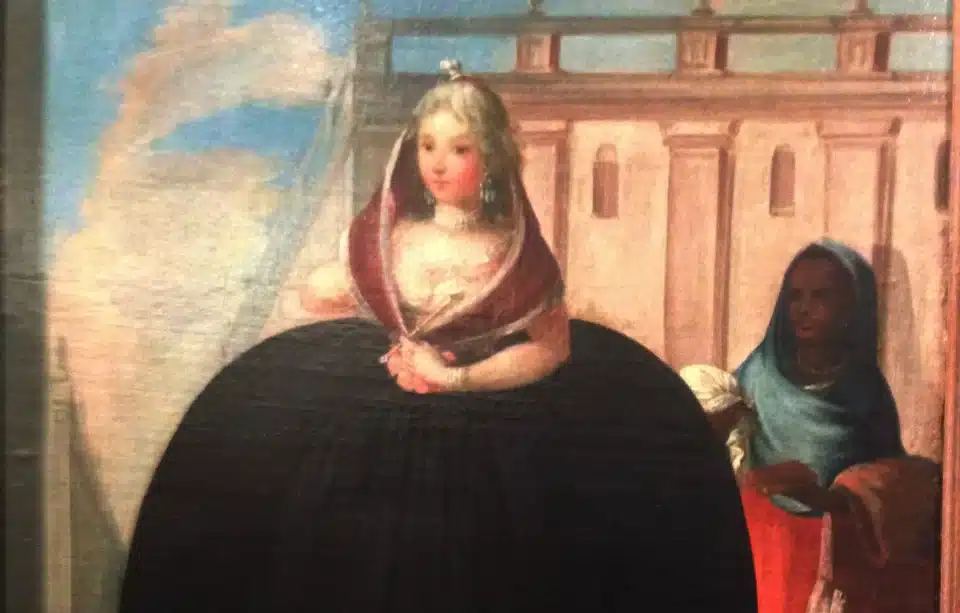
On the social level, a cultural and biological mestizaje was generated that defined New Spain. At the same time, tensions and inequalities arose: while the indigenous population resisted and adapted to new forms of organization, enslaved people of African origin also arrived, whose presence was key to urban and rural life.

Culture and religiosity
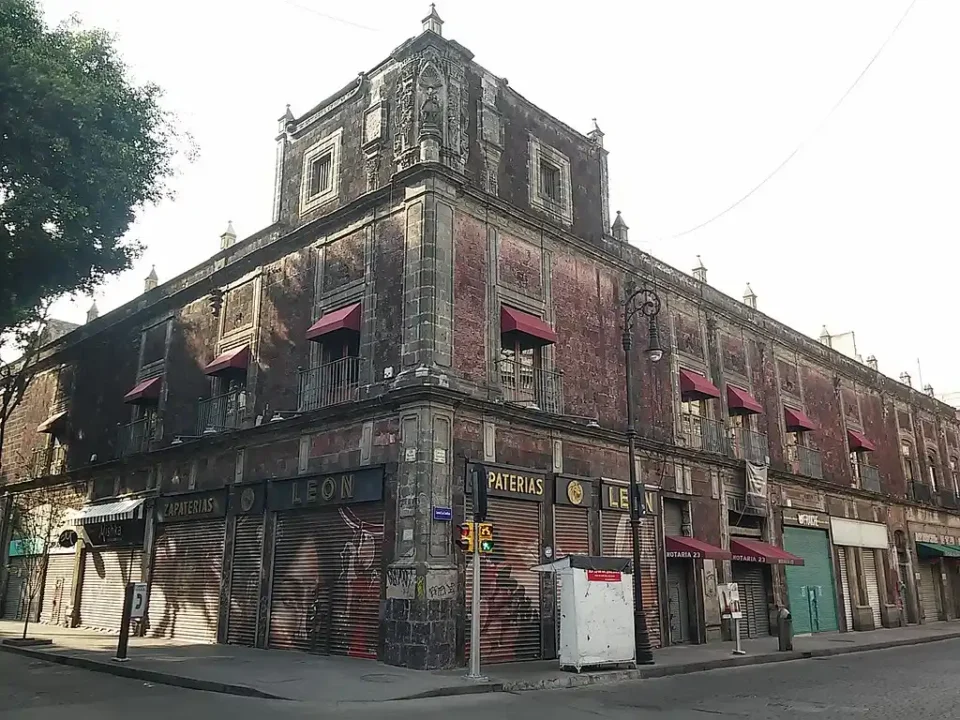
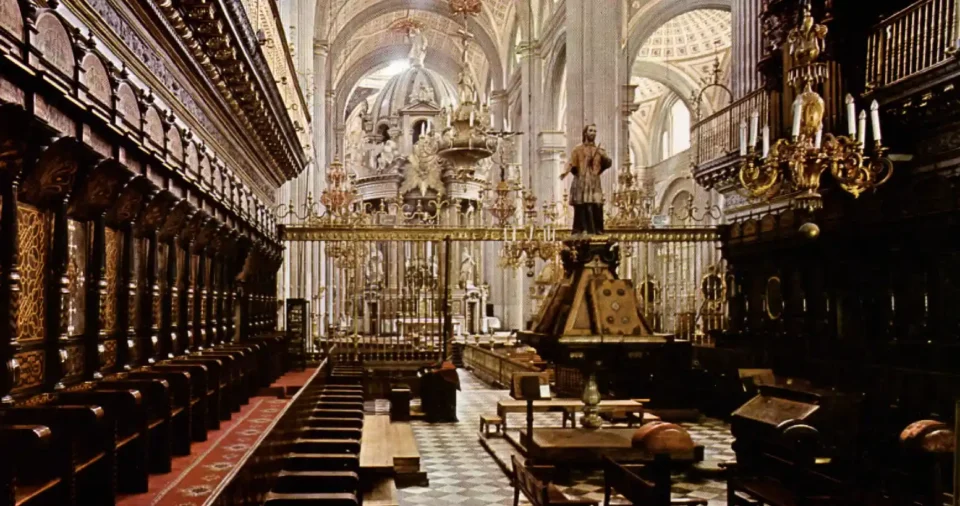
The 16th century saw the flourishing of a cultural mix in art, architecture and daily life. Imposing convents, churches and palaces were erected in Mexico City and other major cities, fusing European styles with indigenous traditions.
The Catholic religion became an axis of cohesion, although not without conflict. While friars and clerics worked on evangelization, indigenous peoples reinterpreted symbols and beliefs, giving rise to unique cultural expressions that still survive in Mexico.

Conclusion
The 16th century in New Spain was a time of tensions and encounters that laid the foundations of viceregal Mexico. The integration of the Mesoamerican peoples into the Catholic monarchy, the role of the Church, the development of mining and cultural mixing were the pillars that marked the first century of the viceroyalty.