Viceroyalty of New Spain

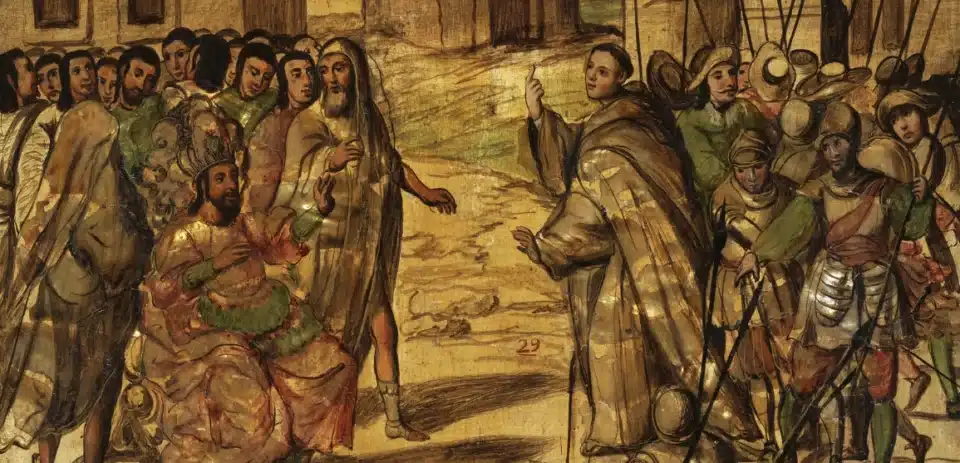
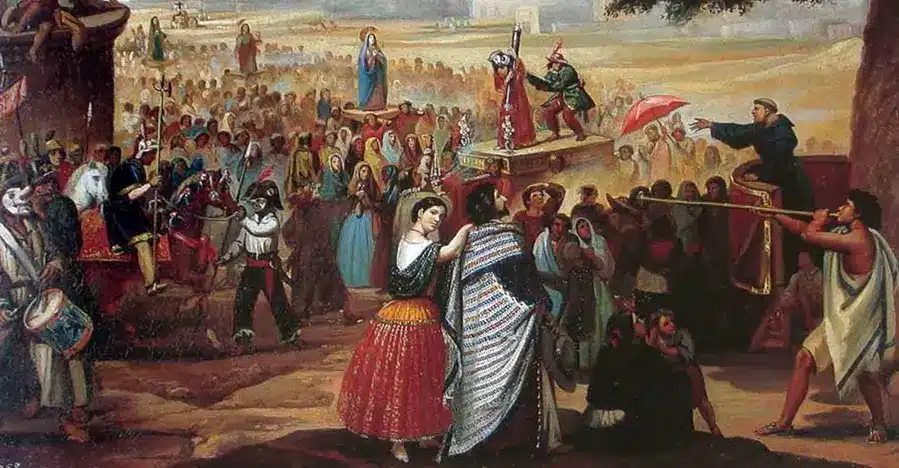
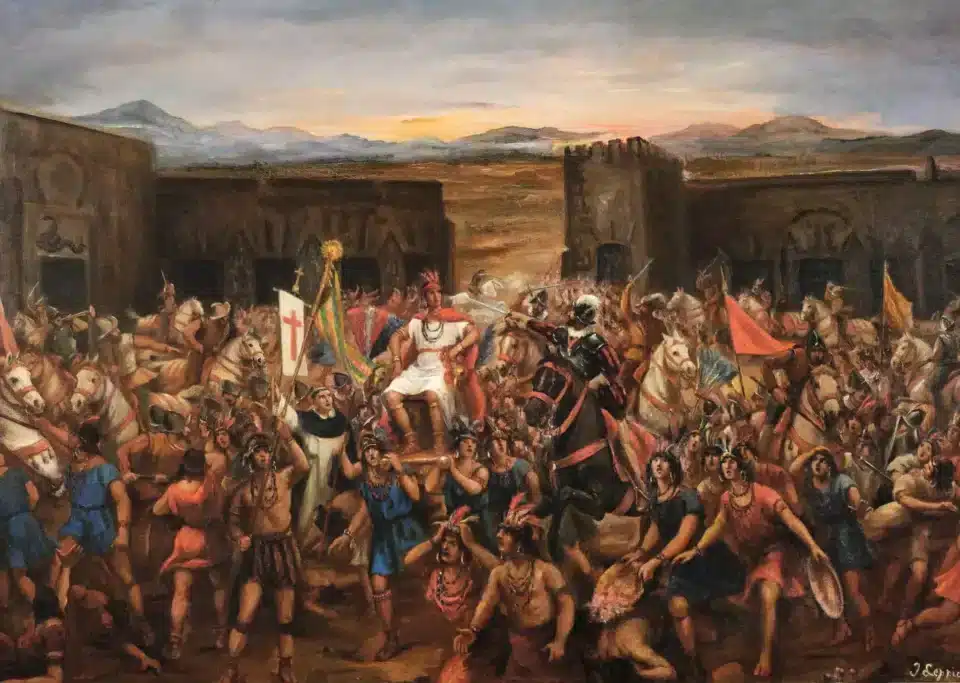
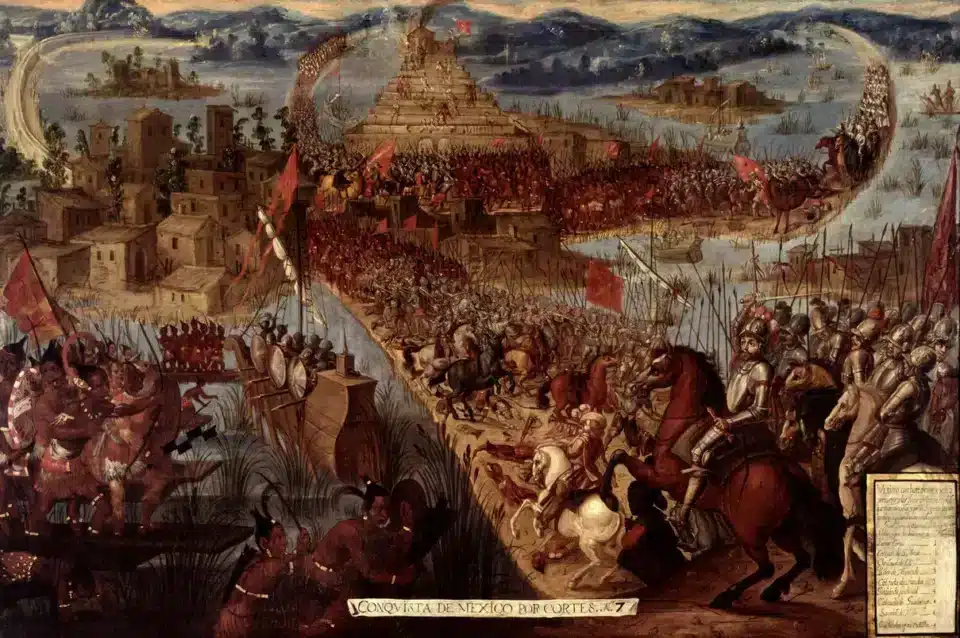
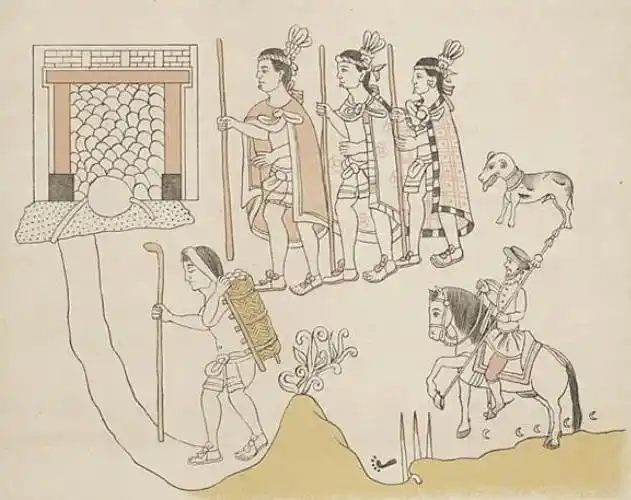
Entry of the Spanish into Chalco, on the road to Tenochtitlán
February 16, 2026

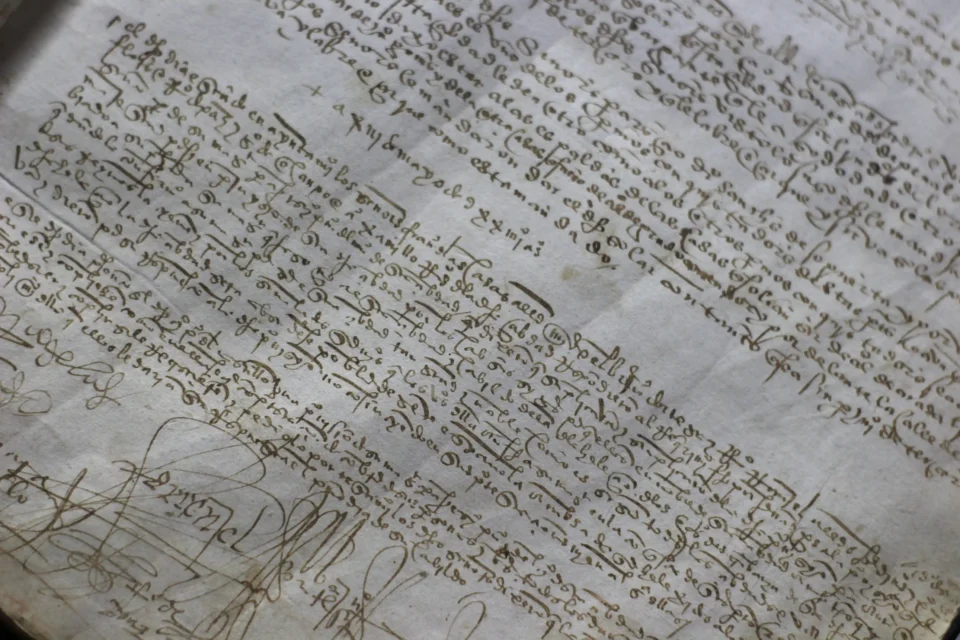
Indigenous livestock farming in the Viceroyalty of New Spain: wealth and social cohesion in the Mixteca region

In the 16th century, the Mixteca region stood out for its indigenous livestock wealth, which even surpassed that of Spanish landowners. This article analyzes how small livestock strengthened social cohesion and limited the expansion of large estates in the Viceroyalty of New Spain.
History of Mexico
Read More Indigenous livestock farming in the Viceroyalty of New Spain: wealth and social cohesion in the Mixteca region
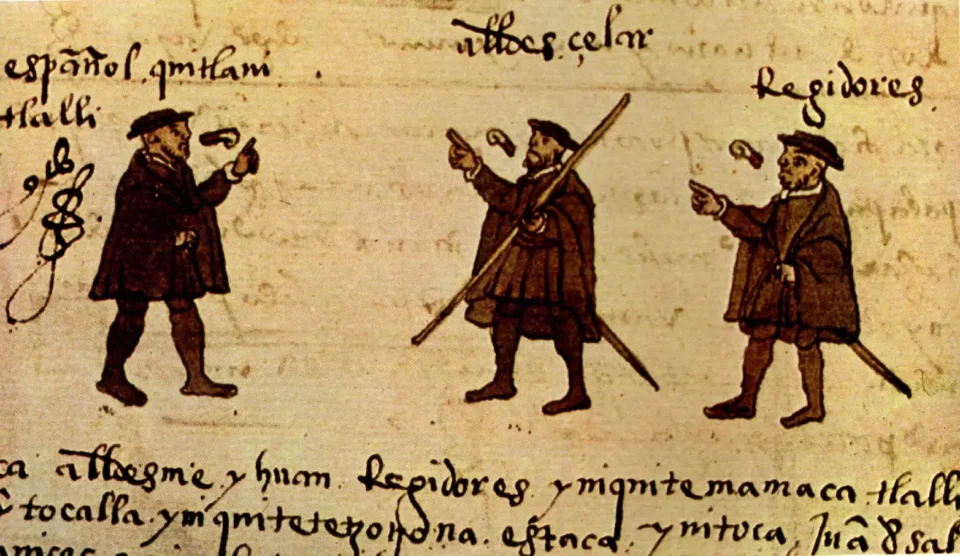
First minutes of the Mexico City Council
February 12, 2026

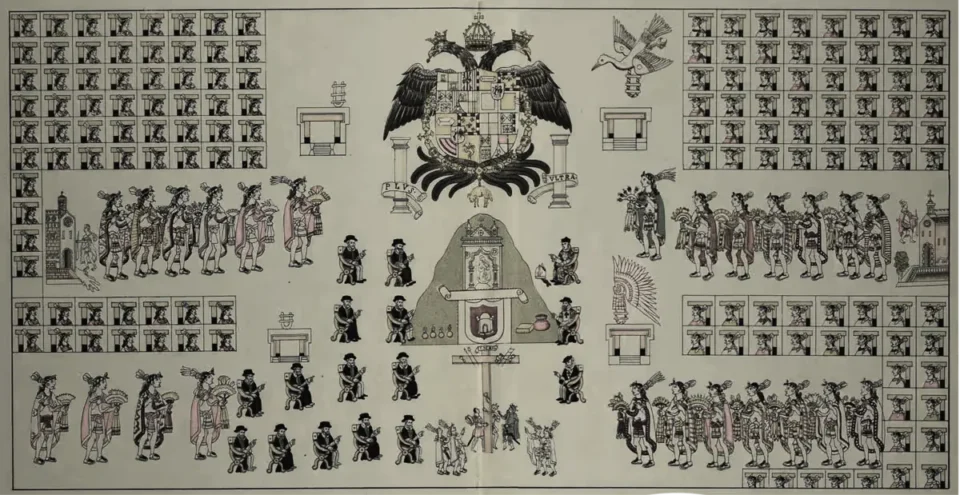
Indigenous councils and the “order of the republic”: political reorganization and control in the 16th century

Los cabildos indígenas fueron órganos clave en la reorganización política de la Nueva España durante el siglo XVI, actuando como intermediarios entre la Corona de Castilla y las comunidades locales, y mostrando un delicado equilibrio entre control virreinal y continuidad indígena.

History of Mexico
Read More Indigenous councils and the “order of the republic”: political reorganization and control in the 16th century
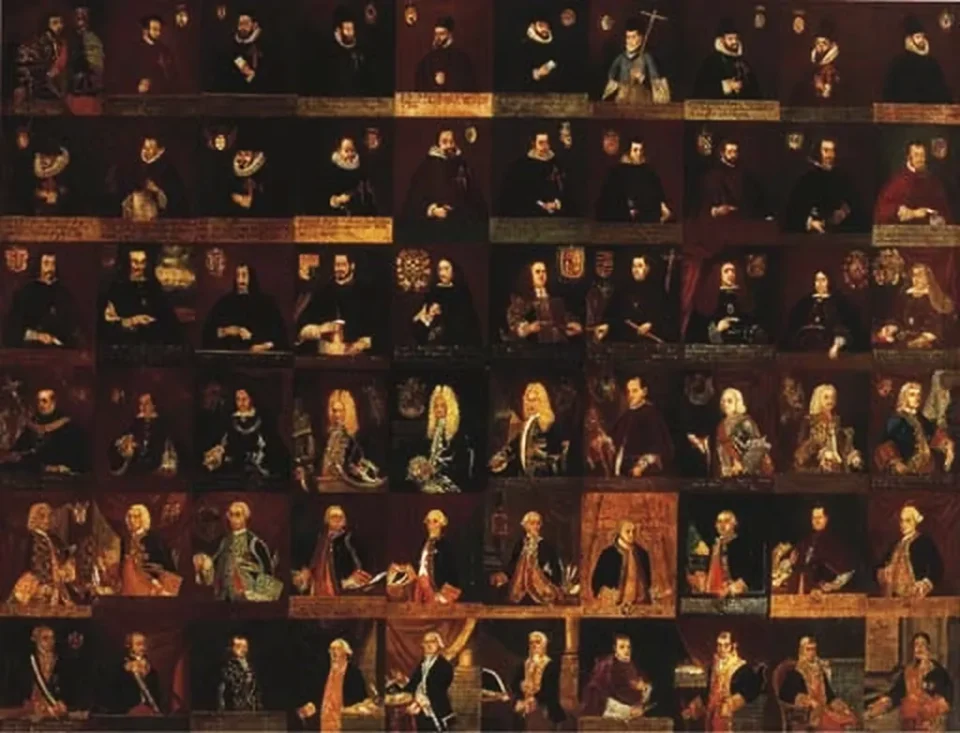
Miguel González and Juan González, 1698
February 10, 2026

The two republics in New Spain: indigenous peoples, Spaniards, and the viceregal social order (16th century)

Durante el siglo XVI, la Corona de Castilla organizó la sociedad novohispana bajo el modelo de las dos repúblicas: la de indígenas y la de españoles. Este artículo analiza su fundamento legal, su aplicación práctica y las tensiones que surgieron en la vida cotidiana del virreinato.

History of Mexico
Read More The two republics in New Spain: indigenous peoples, Spaniards, and the viceregal social order (16th century)
Scene of the Day of the Dead "alumbrada" in San Andrés Mixquic, Mexico City (November 2, 2009). Photo: Thelmadatter. License: CC BY-SA 3.0.
October 22, 2025

From evangelization to syncretism: the Days of the Souls in New Spain (predecessor of the modern Day of the Dead)

The Days of the Dead in New Spain were the result of the encounter between indigenous beliefs about death and the Catholic festivities instituted by Popes Gregory III and IV. This syncretism, promoted and tolerated by the friars, transformed the ancient ancestor cults into a mestizo celebration that endures in the Day of the Dead.

History of Mexico
Read More From evangelization to syncretism: the Days of the Souls in New Spain (predecessor of the modern Day of the Dead)
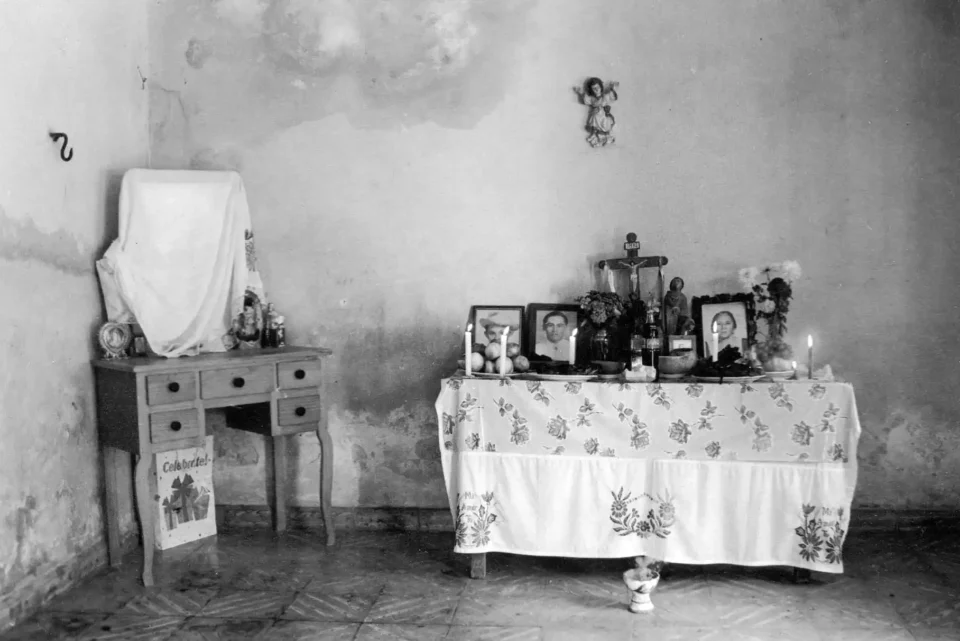
Altar de Hanal Pixán en Ucú, Yucatán; la familia cubrió el espejo para que el espíritu no se vea cuando acude a sus ofrendas. Foto: Juan Manuel Arana Ravell, 1 de septiembre de 2016. Licencia: CC BY-SA 4.0.
October 22, 2025

Day of the Dead altars and ofrendas: symbols of the reunion between the living and the dead

The Day of the Dead altars were born during the viceregal era as an adaptation of the indigenous offerings to the Catholic calendar. In them, the Spanish domestic altar and the Mesoamerican symbolic elements were united, giving origin to a tradition that even today preserves the cempasúchil, the bread of the dead and the memory of the ancestors.

History of Mexico
Read More Day of the Dead altars and ofrendas: symbols of the reunion between the living and the dead
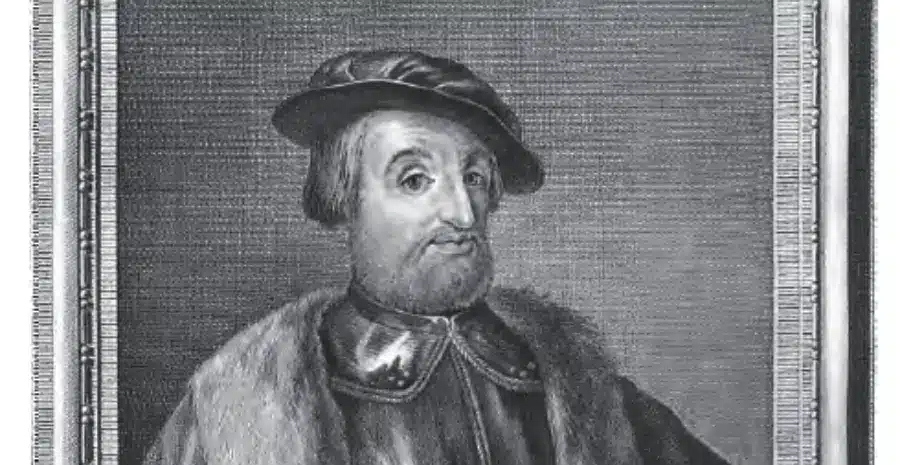
Portrait of Hernán Cortés with armor and red sash, oil painting attributed to an anonymous author of the XVI century.
October 15, 2025

Claims of nobility in New Spain: the soldiers of Hernán Cortés’ military journey and their quest for honors.

After Hernán Cortés’ military journey, many of his soldiers sought titles and privileges before the Crown of Castile, convinced that their merits in the war against the Mexica lordship made them worthy of nobility.

History of MexicoNo category
Read More Claims of nobility in New Spain: the soldiers of Hernán Cortés’ military journey and their quest for honors.
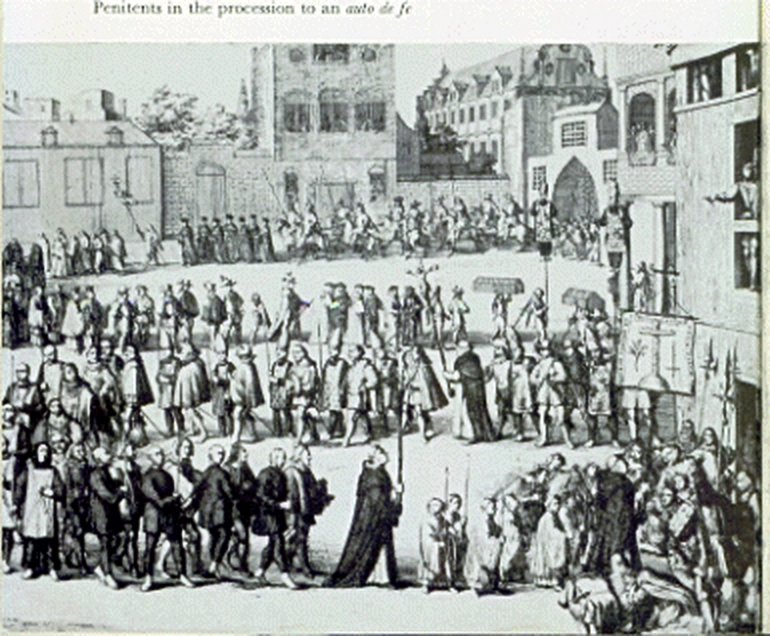
Engraving of an auto de fe in Lima (17th century). Symbolic representation to illustrate the public acts of the Tribunal of the Holy Office in Spanish America.
October 13, 2025

The visit to the Tribunal of the Holy Office in New Spain (1645-1662): denunciations, abuses and sentences.

Between autos de fe and internal conflicts, the Tribunal of the Holy Office in New Spain experienced one of its most complex crises: the inquisitorial visitation of 1645-1662, marked by denunciations, abuses and sentences against its own ministers.

History of MexicoNo category
Read More The visit to the Tribunal of the Holy Office in New Spain (1645-1662): denunciations, abuses and sentences.
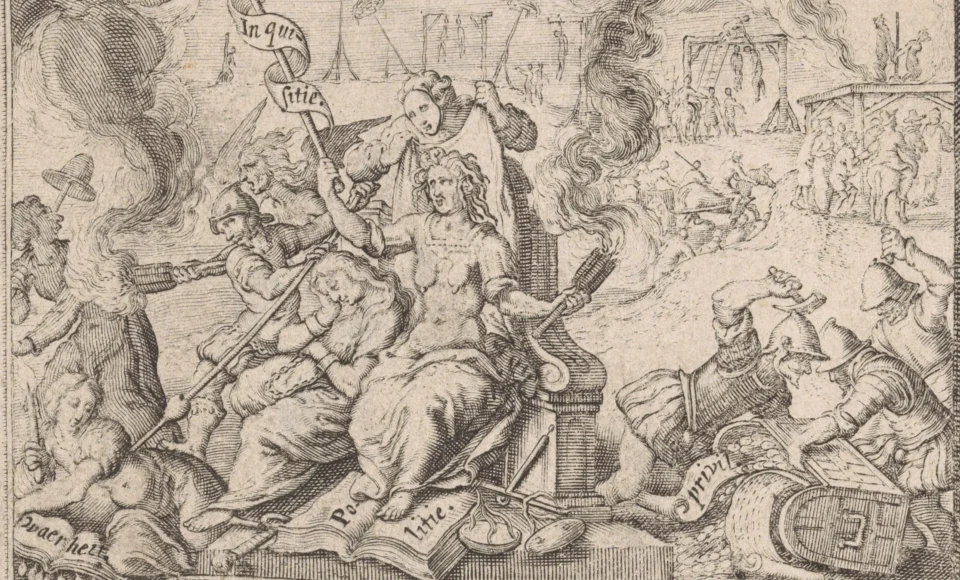
Engraving attributed to Samuel Stradanus (Metropolitan Museum of Art), 17th century - visual context approximating the period in which the Inquisition faced its crisis and reactivation with the edict of 1643.
September 26, 2025

The crisis and reactivation of the Inquisition in New Spain: conflicts, town councils and the edict of 1643.

During the 1630s, the Inquisition in New Spain entered a period of decadence due to conflicts with the viceroy and the town councils. However, in 1643 it was reactivated with the solemn reading of the general edict of faith, which marked a revival in its activities.

History of MexicoNo category
Read More The crisis and reactivation of the Inquisition in New Spain: conflicts, town councils and the edict of 1643.
Allegory of the torment of Francisca de Carvajal during the Inquisition.
September 23, 2025

The inquisitorial process against Francisca Núñez de Carvajal: torment, faith and suffering.

The record of the torment of Francisca Núñez de Carvajal shows, step by step, the violence exercised by the Inquisition in New Spain. Her resistance reflects the strength of a woman who, even in extreme pain, did not renounce her faith or her dignity.

History of MexicoNo category
Read More The inquisitorial process against Francisca Núñez de Carvajal: torment, faith and suffering.
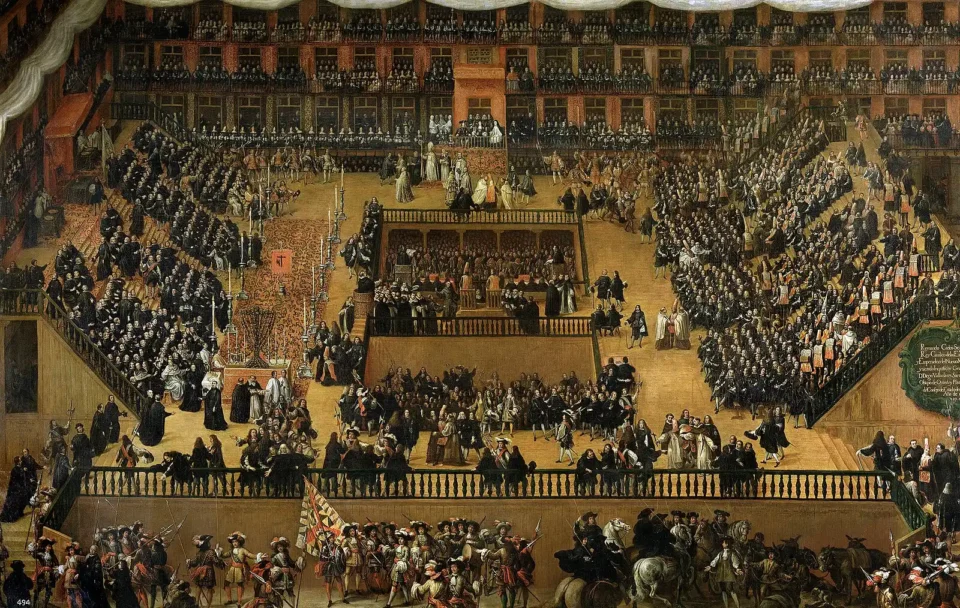
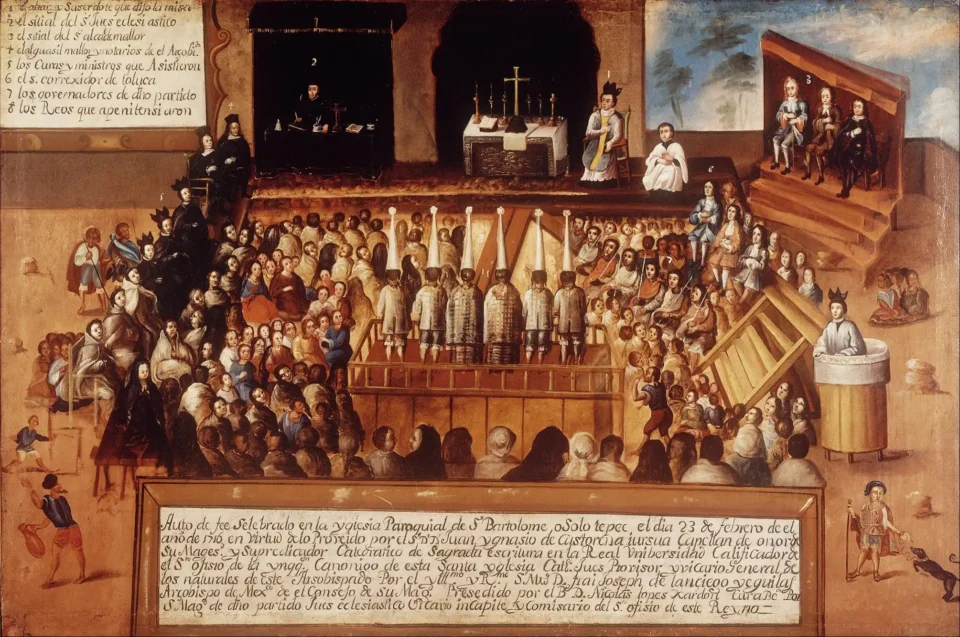
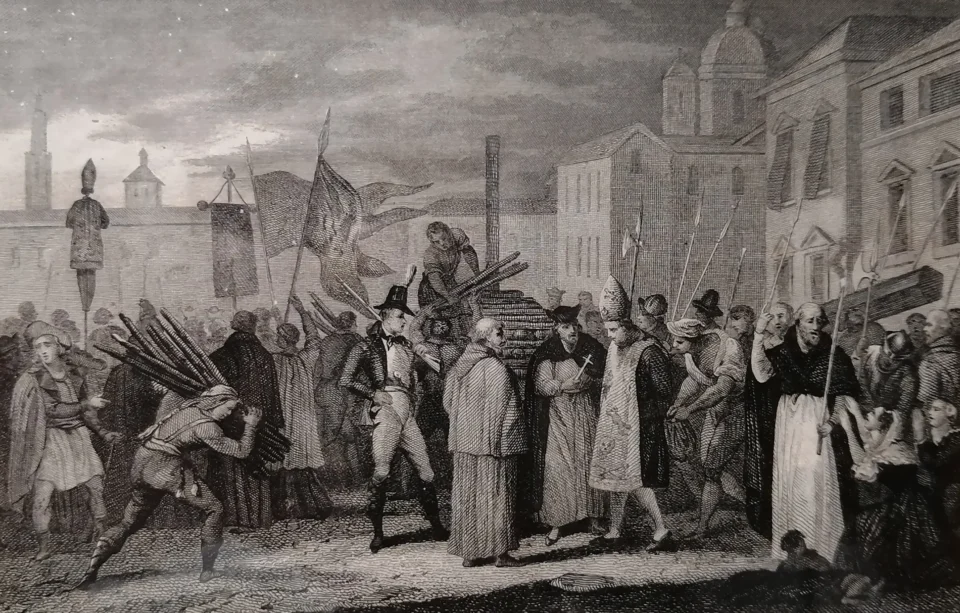
Auto de fe in the town of San Bartolomé Otzolotepec.
September 21, 2025

The Tribunal of the Holy Office in New Spain: origins, oaths and autos de fe (oaths and autos de fe)

The installation of the Tribunal of the Holy Office in New Spain in 1571 transformed the religious life of the viceroyalty. From oath ceremonies and edicts of grace to the most famous autos de fe, this article narrates how inquisitorial power was consolidated in New Spain’s society.

History of MexicoNo category
Read More The Tribunal of the Holy Office in New Spain: origins, oaths and autos de fe (oaths and autos de fe)
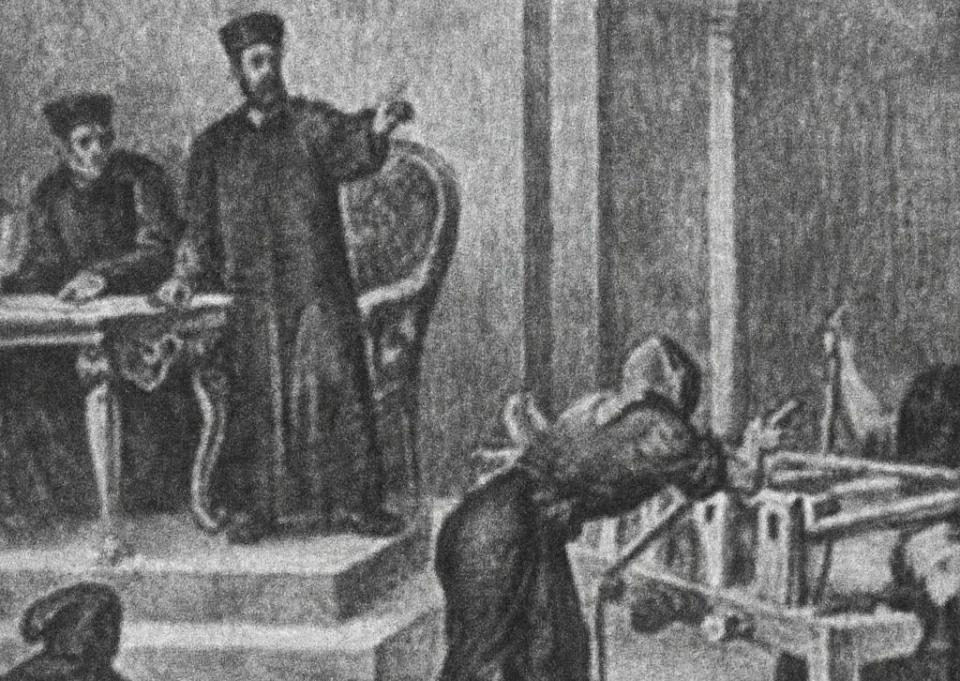
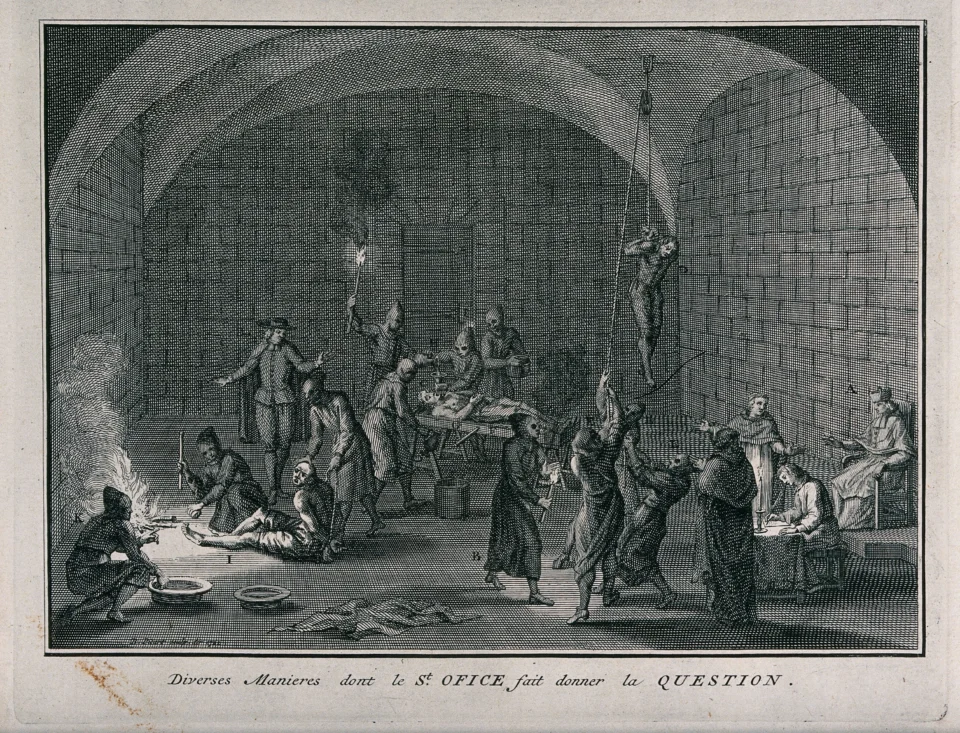
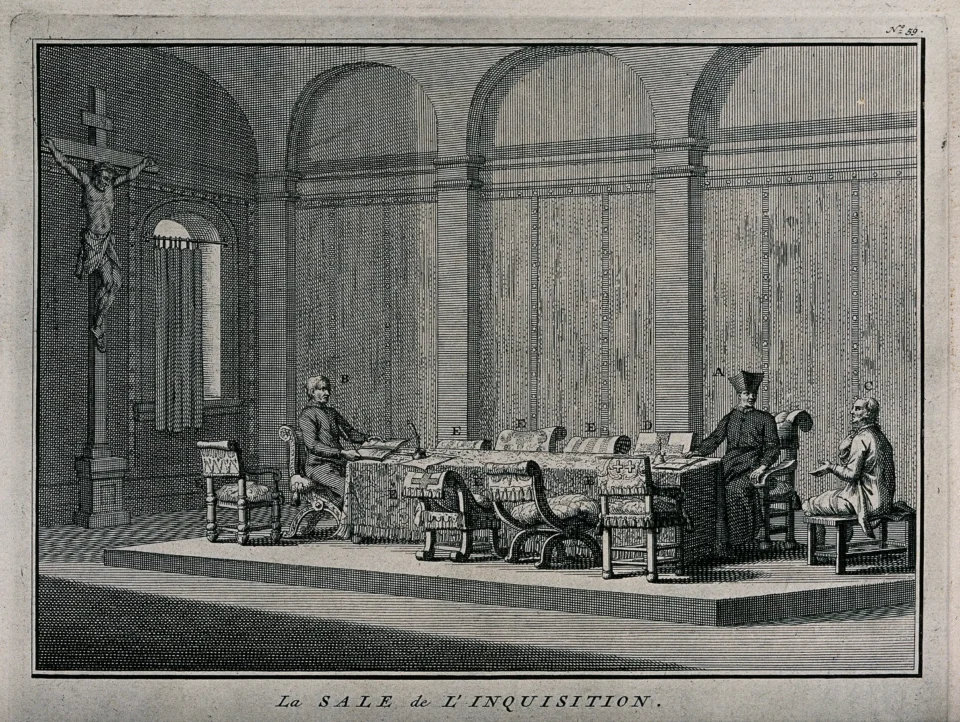
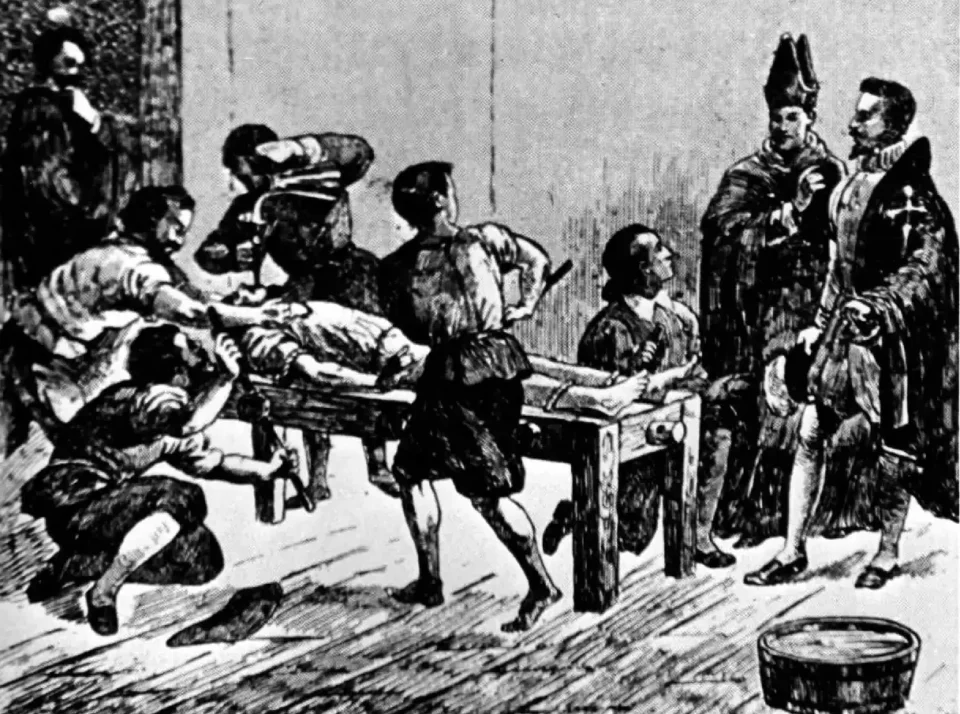
Interrogation room of the Spanish Inquisition.
September 14, 2025

Origins of the Inquisition in New Spain: from the religious control to the first autos de fe (acts of faith)

The Inquisition in New Spain was officially established in 1571 under Pedro Moya de Contreras, but its antecedents date back to the religious controls exercised since the early years of the viceroyalty. This article reviews its foundation, the crimes it prosecuted and the first auto de fe in Mexico.

History of MexicoNo category
Read More Origins of the Inquisition in New Spain: from the religious control to the first autos de fe (acts of faith)
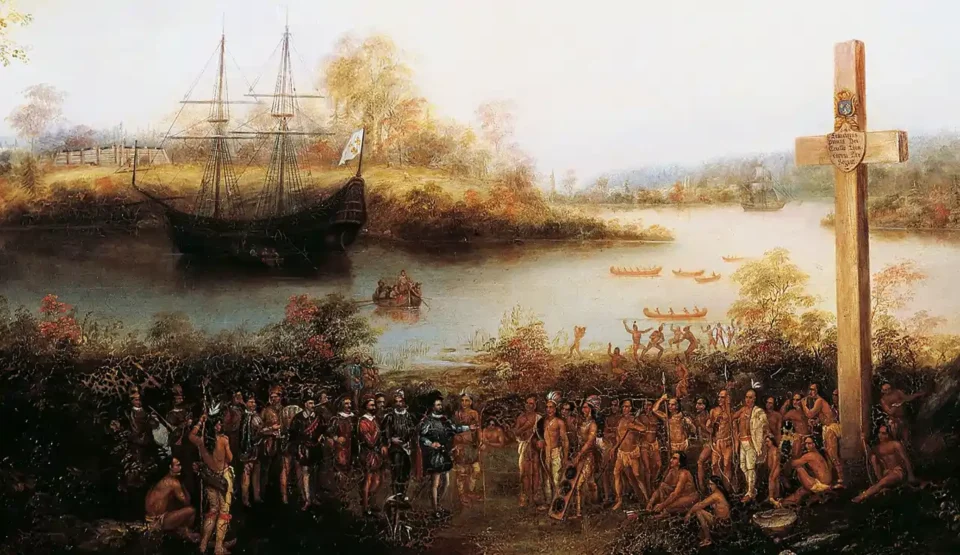
Nueva Francia
August 20, 2025

The French threat in the north of the viceroyalty: the fort of San Luis and the novo-Hispanic response.

When La Salle founded the fort of San Luis on land that is now part of Texas, the Catholic monarchy reacted quickly to protect its northern border. This episode marked the beginning of a defensive expansion, Franciscan missions and constant vigilance against the foreign threat.

History of Mexico
Read More The French threat in the north of the viceroyalty: the fort of San Luis and the novo-Hispanic response.
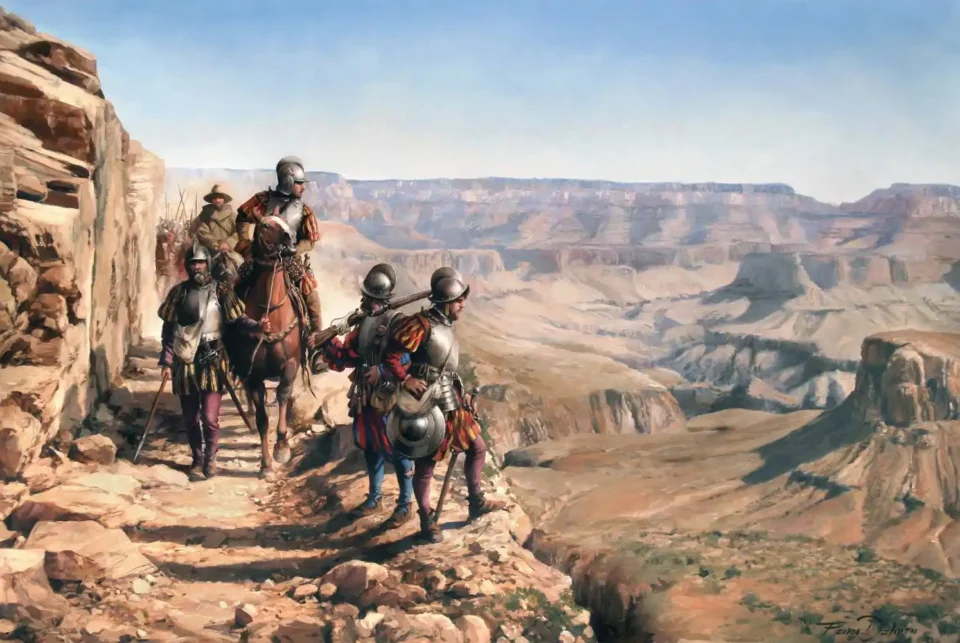
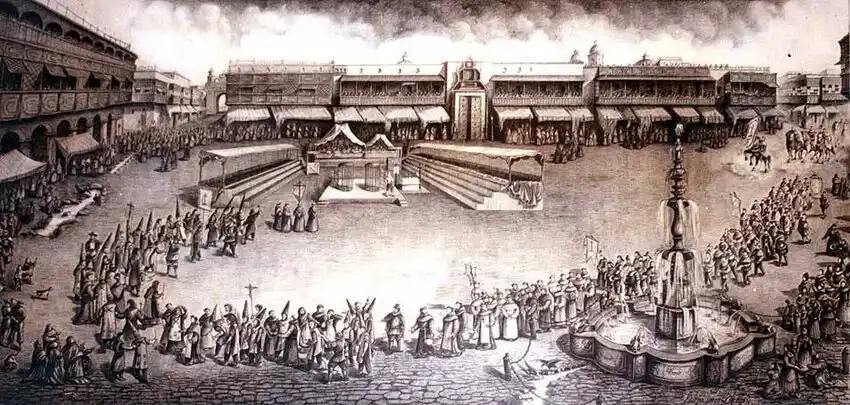
Franciso Vazque s de Coronado expedicion a Cibloa
August 16, 2025

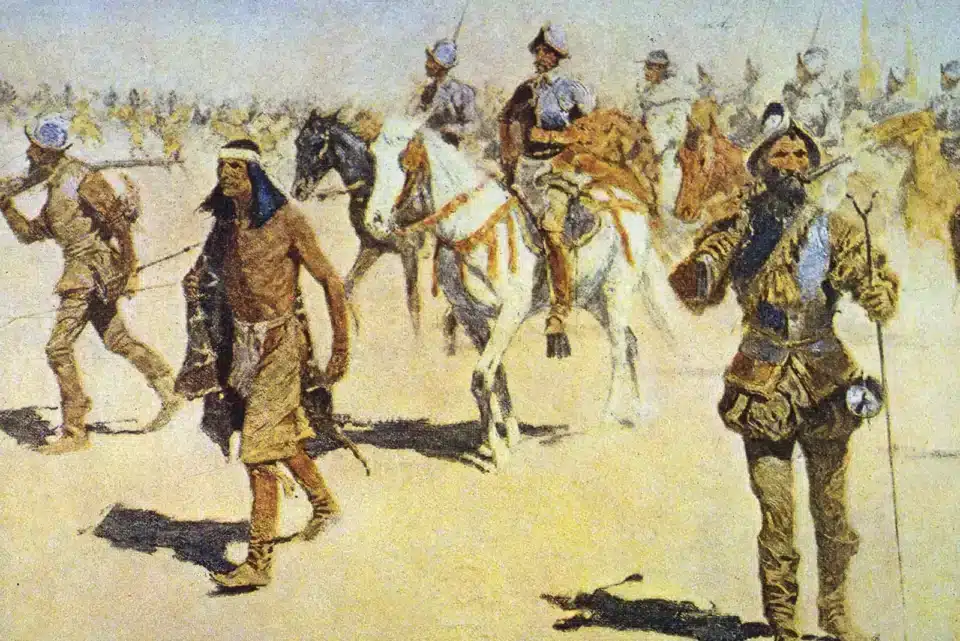
Francisco Vázquez de Coronado and the expedition to Cíbola: from the golden myth to the arid territory.

Prompted by the stories of Friar Marcos de Niza, Francisco Vázquez de Coronado led an expedition in search of the legendary Seven Cities of Gold. What he found, however, was a vast arid territory, resistant tribes and a bitter lesson on the limits of myth versus reality. This expedition, although unsuccessful in its initial objective, left a profound impact on the cartography and geographical knowledge of the northern part of the viceroyalty of New Spain.
History of Mexico
Read More Francisco Vázquez de Coronado and the expedition to Cíbola: from the golden myth to the arid territory.
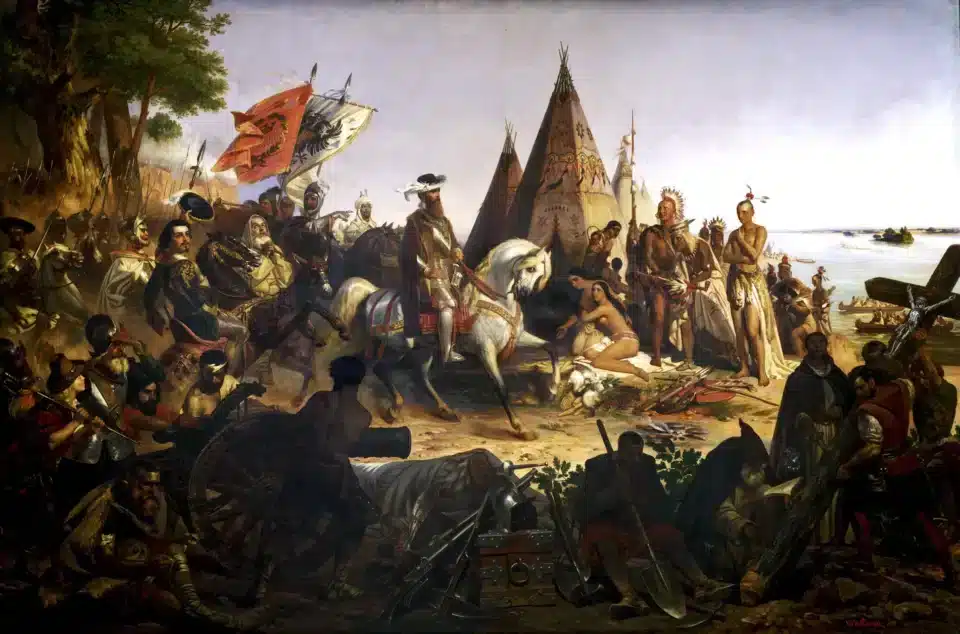
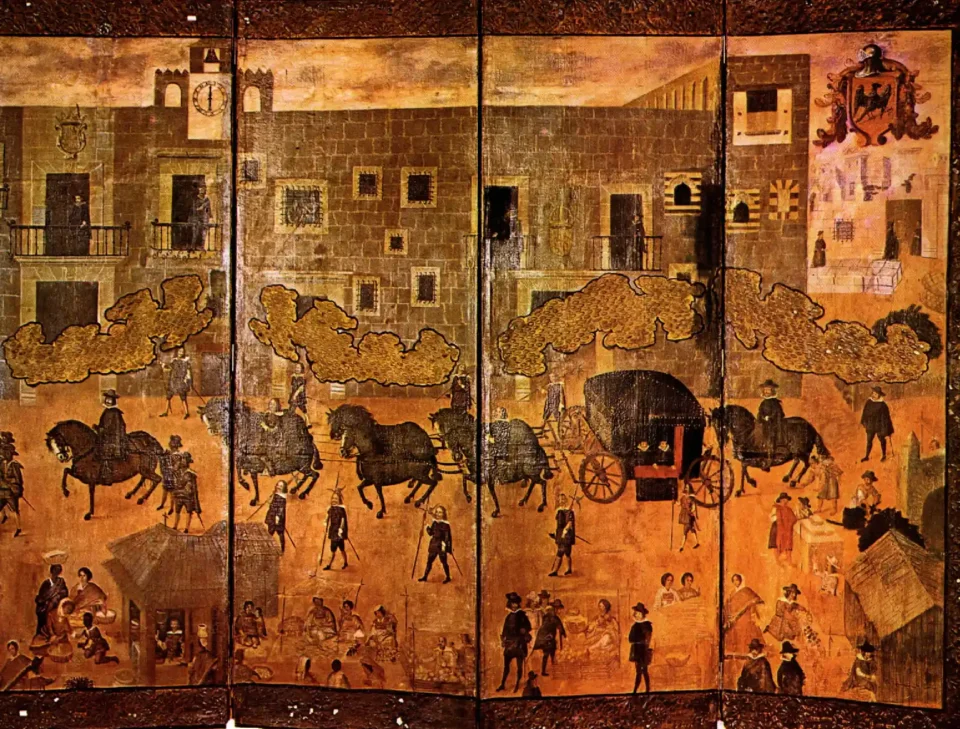
Descubrimiento del rio Mississipi
August 13, 2025

The taking of possession in New Spain: ritual, symbolism and justification of dominion.

In 1598, Juan de Oñate took possession of lands in the north of the viceroyalty of New Spain. This act not only implied a legal procedure, but also a symbolic strategy to legitimize the dominion over territories already inhabited by indigenous peoples. In this article we analyze the context, the ritual and its implications, highlighting the tensions between the Castilian imperial order and indigenous ways of life and organization.
History of Mexico
Read More The taking of possession in New Spain: ritual, symbolism and justification of dominion.
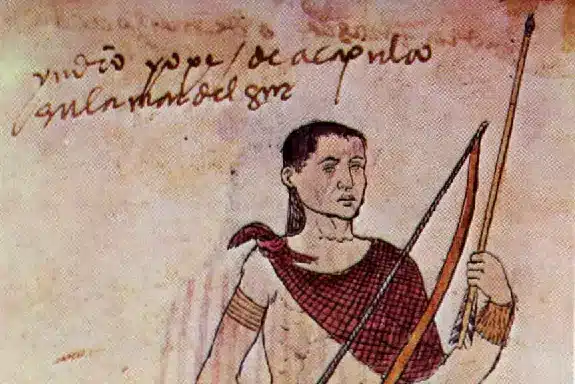
Juan de Oñate
August 11, 2025

Juan de Oñate and the hard beginnings of New Mexico: ambitions, resistance and uprooting

Juan de Oñate’s entry into the northern territories in 1598 was an enterprise laden with imperial expectations and human frustrations. Under promises of wealth, evangelization and dominion, his expedition faced the harsh reality of the landscape, the resistance of the native peoples and the attrition of his own people. This article recounts the complex beginning of the so-called New Mexico, from the symbolic takeover to the disenchantment that accompanied its colonization.

History of Mexico
Read More Juan de Oñate and the hard beginnings of New Mexico: ambitions, resistance and uprooting
Expedicioines- hernan cortes y sus aliados indigenas
August 7, 2025

Territorial expansion in the origins of New Spain: alliances, exploration, and resistance

The territorial expansion that gave rise to New Spain combined exploration routes, rivalries between figures such as Cortés and Guzmán, and alliances with indigenous peoples such as the Tlaxcaltecs, Huejotzings, and Totonacs. But upon reaching the north, resistance from nomadic peoples completely transformed the strategies of the viceroyalty in formation.

History of Mexico
Read More Territorial expansion in the origins of New Spain: alliances, exploration, and resistance
Cibola Mapa antiguo
August 6, 2025

The Seven Cities of Gold: The Myth Born with Fray Marcos de Niza and the Exploration of the North

The myth of the seven cities of gold arose from the account of Fray Marcos de Niza in 1539. His vision of Cíbola, adorned with turquoise and stone houses, motivated one of the most ambitious expeditions of New Spain: that of Vázquez de Coronado. This article explores how a story between faith, desire, and exaggeration transformed the history of northern Mesoamerica.

History of Mexico
Read More The Seven Cities of Gold: The Myth Born with Fray Marcos de Niza and the Exploration of the North
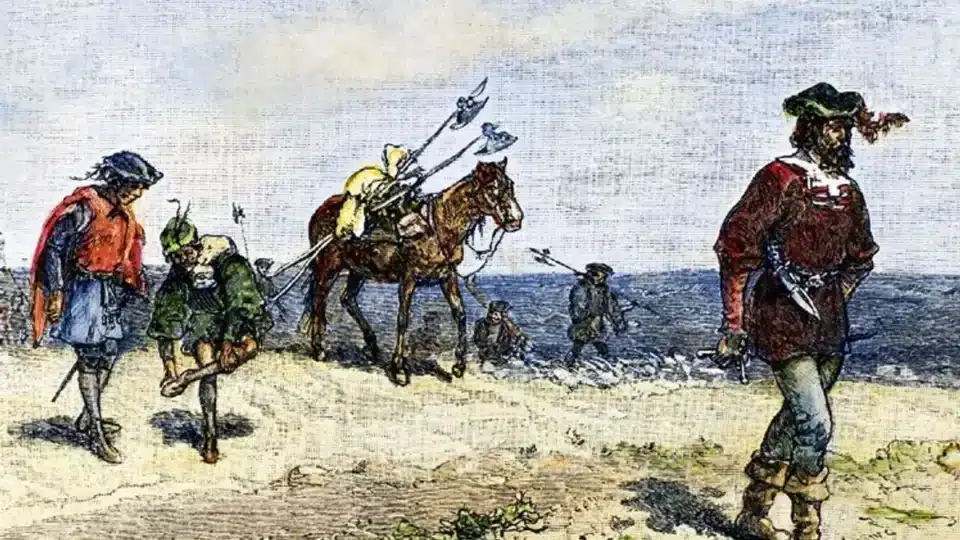
Alvar Nuñes Caveza de Vaca
August 5, 2025

Álvar Núñez Cabeza de Vaca and the origin of new expeditions: between shipwrecks, healing, and survival

In 1536, Álvar Núñez Cabeza de Vaca arrived in New Spain after an unexpected journey through the north of the continent. His account, full of encounters, shipwrecks, and healing rituals, aroused the interest of Viceroy Antonio de Mendoza and led to new expeditions in search of the regions he described.

History of Mexico
Read More Álvar Núñez Cabeza de Vaca and the origin of new expeditions: between shipwrecks, healing, and survival
Bucareli
May 22, 2025

Bucareli Historical Tour: Discover the Magic of Bucareli in a Unique Stroll

In the initial chronicles, this site was described as a charming place surrounded by trees, offering picturesque views of majestic mountains. Discovering its fascinating history demands a willingness to take a journey of more than a thousand steps, stopping along the way to unravel enigmas of the past and experience up close the architectural essence characteristic of the Porfiriato period.

History of Mexico
Read More Bucareli Historical Tour: Discover the Magic of Bucareli in a Unique Stroll
San Carlos Academy Main Sculpture
May 22, 2025

San Carlos Academy

Throughout the centuries, from the 16th century to the present, the Academy of San Carlos has been the crucible where successive generations of creators have been molded, many of whom played a fundamental role in the configuration of a large part of the cultural heritage rooted in the very heart of the Historic Center.

History of Mexico
Read More San Carlos Academy
Santa teresa la nueva
September 13, 2023

Santa teresa la nueva

On the eastern side of the Historic Center, is located this impressive temple, which has its roots in the historic convent of the Order of Discalced Carmelites, whose construction dates back to the dawn of the eighteenth century. This site embodies the richness of our architectural heritage and is a living testimony of our cultural history.

History of Mexico
Read More Santa teresa la nueva
First pulque sample
August 22, 2023

A brief history of the Pulquerías

With a heritage dating back to pre-Hispanic times, this fascinating beverage has played a fundamental role in our rich culture. Its deep-rooted presence in the heart of the Centro Histórico has been meticulously explored in this revealing article, which focuses on the period spanning from the 18th to the 20th century. Find out more about this deep-rooted tradition and its prominent place in our history in the following lines.

History of Mexico
Read More A brief history of the Pulquerías

Introduction: the viceroyalty as a key stage in the history of Mexico
The Viceroyalty of New Spain was one of the pillars of the Castilian Empire in America. Founded in 1535 and in force until 1821, it went through almost three centuries of transformations. During this time, Mexico City became the most influential political, economic and religious center in the region, projecting its power to Central America, the Caribbean, the Philippines and part of what is now the southwestern United States.

Beyond colonial institutions, the viceroyalty was a space where diverse peoples coexisted and where a complex cultural mix was woven. Understanding its history allows us to appreciate the deep roots of today’s Mexican identity.
Origin and foundation of the Viceroyalty
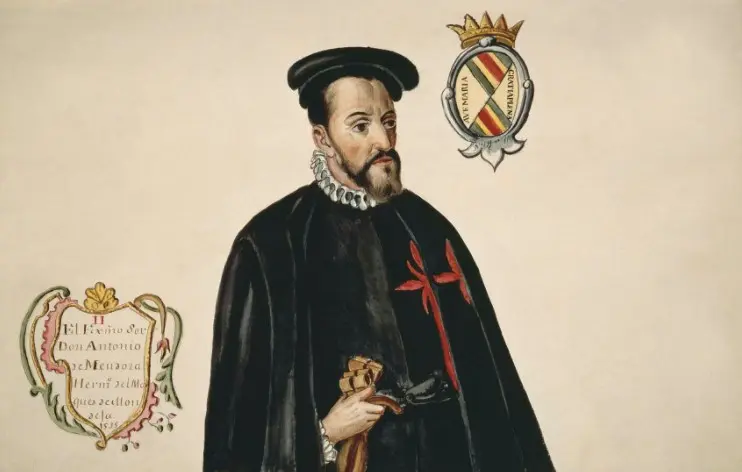
The establishment of the viceroyalty was a response to the need to organize the extensive territories controlled after the military coalition of Cortés and his indigenous allies against the Mexica dominion. The Crown appointed Antonio de Mendoza as the first viceroy in 1535, consolidating the figure representing royal authority in America.

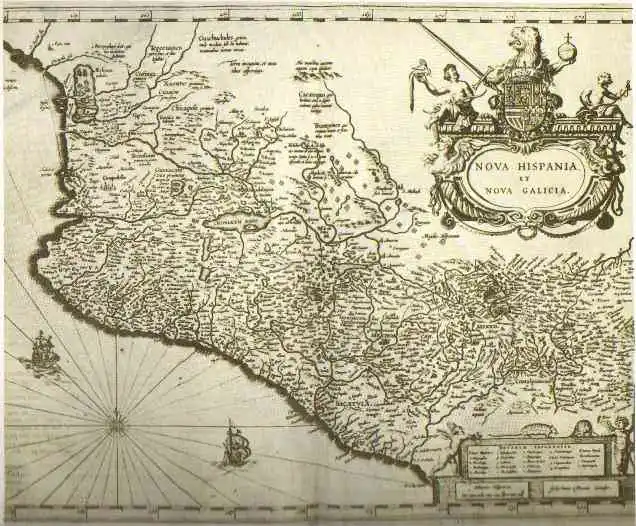
The viceroyalty covered an immense territory: not only present-day Mexico, but also regions of Central America, the Caribbean, the Philippines and large areas of the southwestern United States. This vastness made New Spain a strategic space for the empire and a bridge between Europe and Asia.
Government and administration in the viceroyalty
The viceregal government was characterized by a hierarchical structure that sought to guarantee the control of the Crown.
The viceroy: representative of the monarch
The viceroy was the highest political, military and judicial authority. He was in charge of defending the territory, collecting taxes and supervising justice. His power was broad, but not absolute: other institutions could limit it.
Control institutions

The Real Audiencia de México, a superior court that administered justice and balanced the power of the viceroy.
The Council of the Indies, based in Spain, regulated all overseas affairs.
The local councils, both Spanish and indigenous, were in charge of municipal life, from the supply of food to the organization of fairs.

In practice, this combination of authorities generated conflicts of competence, but also gave flexibility to the administration of such a vast territory.
Economy of the Viceroyalty
The Viceroyalty of New Spain became a world economic power. Its wealth came mainly from mining, but also from agriculture and trade routes that linked continents.
Mining: the backbone
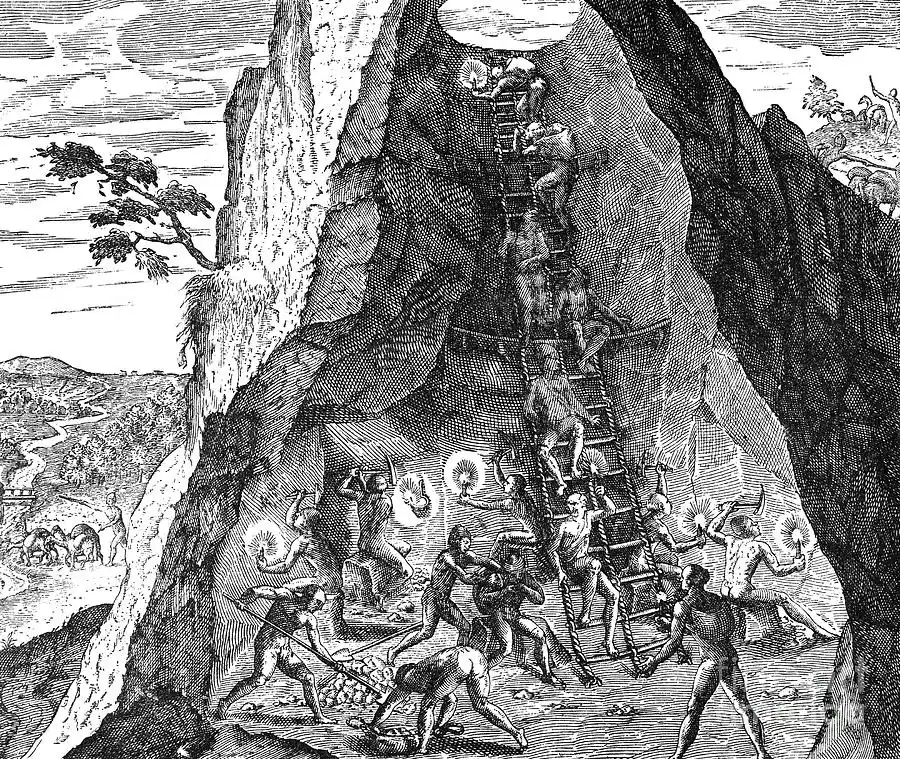
The exploitation of silver in Zacatecas and Guanajuato turned the viceroyalty into one of the engines of the global economy. The mineral supplied European markets and was used as currency in Asia, integrating New Spain into world trade. In addition to wealth, mining led to the founding of cities, the opening of roads and conflicts with indigenous peoples in frontier areas.
Agriculture and livestock
In the countryside, indigenous techniques, such as the chinampas, were combined with European haciendas and estancias. The result was a diversified agriculture:

Corn and beans, the basis of the indigenous diet.
Wheat and sugar cane, export-oriented.
Fruit trees and vegetables, destined for the cities.

The introduction of horses, sheep and cows transformed ecosystems and changed daily life, from food to transportation.
Trade and transatlantic routes
The ports of Veracruz and Acapulco were essential for trade. Veracruz connected with Spain and Seville, while Acapulco connected with the Philippines through the Manila Galleon. Thanks to these routes, New Spain became a true bridge between Europe and Asia.
Society and daily life
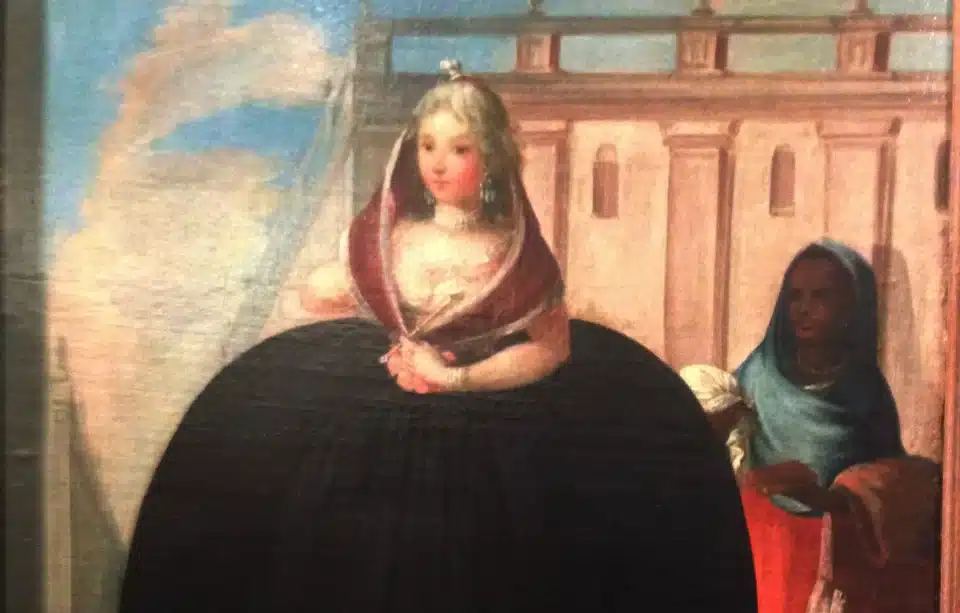
Novo-Hispanic society was diverse and unequal. Peninsular Spaniards, Creoles, indigenous peoples, enslaved Africans and their descendants shared spaces, but not the same rights.

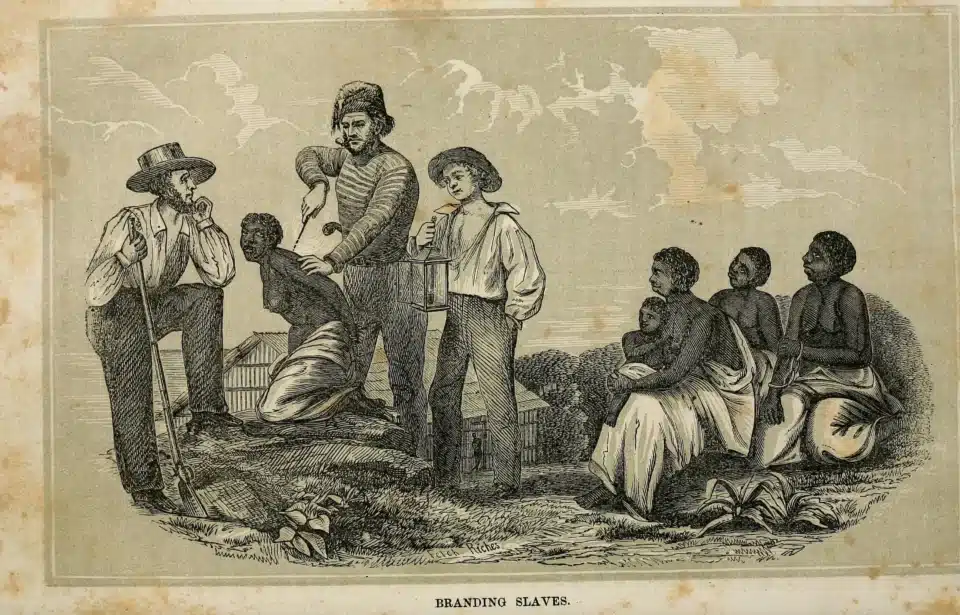
The native peoples maintained their own town councils and kept their own languages and customs, although under tribute and control of the authorities. Africans, taken as slaves, participated in mining, agriculture and urban trades. Over time, the mixture of these groups generated new identities -mestizos, mulattos, castizos- that marked the complex social hierarchy.

Women in New Spain also played an active role: some dedicated themselves to commerce, others founded pious works or stood out as educators and writers. Although subject to patriarchal norms, they had a decisive influence on the daily and cultural life of the viceroyalty.
Religion and evangelization
The Catholic Church was one of the pillars of the viceregal order. Not only did it evangelize, but it also became a major economic and political actor.
Religious orders and evangelization
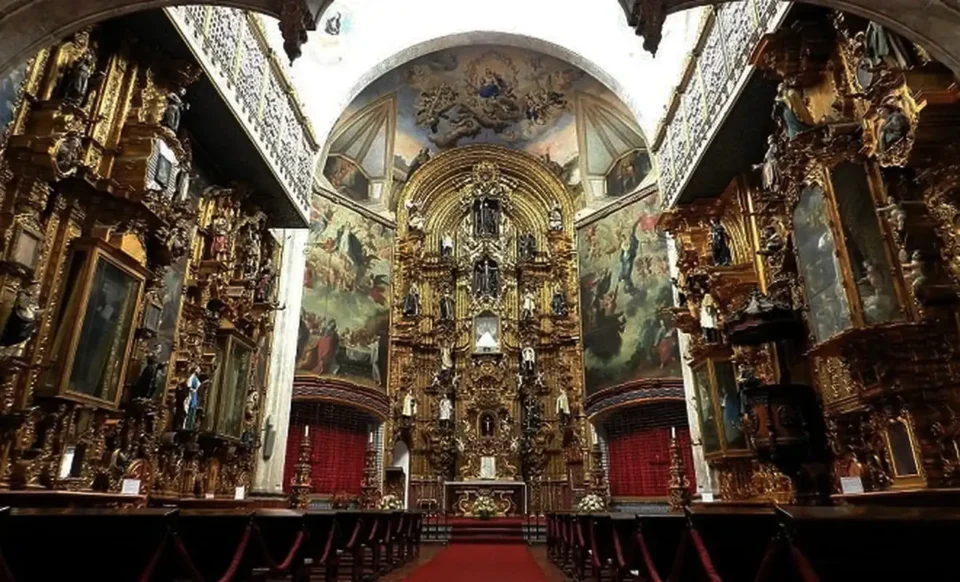
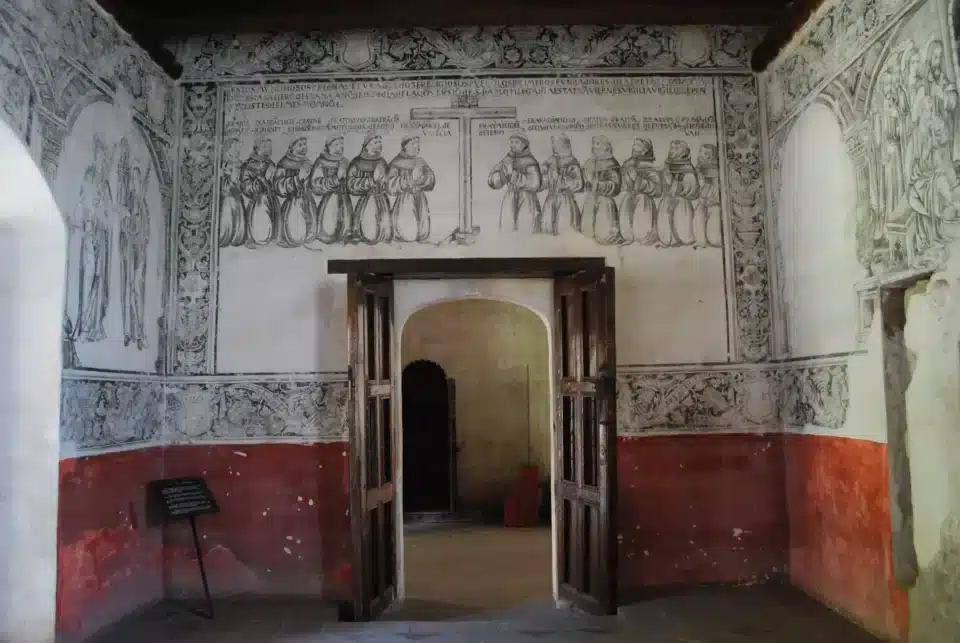
Franciscans, Dominicans, Augustinians and later Jesuits established missions, colleges and universities. Their buildings still mark the landscape of many cities and towns. Religion was also a means of social control, while offering new spaces for education and community organization.
Ecclesiastical power and the Inquisition
The clergy accumulated land and wealth, and at times came into conflict with the viceroys. In 1571 the Inquisition was established in New Spain, which monitored the orthodoxy of the faith and persecuted indigenous practices or expressions considered heretical.
Resistances and rebellions
The viceroyalty was not a stable or passively accepted system. There were multiple rebellions that show the tensions of the time:

The Mixton War (1540-1542), fought by western peoples.
Afro-descendant uprisings, such as the Yanga rebellion in Veracruz.
Urban riots and disputes between criollos and peninsulares.

These resistances reflect that the history of the viceroyalty was also a history of constant struggle and negotiation.
Legacy of the Viceroyalty of New Spain
The legacy of the viceroyalty is deep and diverse:

Architecture and art: cathedrals, convents and sculptures such as those of Manuel Tolsá.
Institutions: many legal and administrative systems survived independent Mexico.
Cultural traditions: religious festivities, mestizo gastronomy and community customs that are still alive.

In short, the viceroyalty was not a homogeneous period of imposition, but a space of tensions, adaptations and cultural creations that shaped the Mexican nation.
Conclusion
The Viceroyalty of New Spain was a scenario of power, resistance and miscegenation. Its almost three centuries left an indelible mark on politics, culture and daily life in Mexico. To study this period is not only to look at the past, but to recognize how many of the characteristics that identify Mexican society today were forged.