History of Mexico

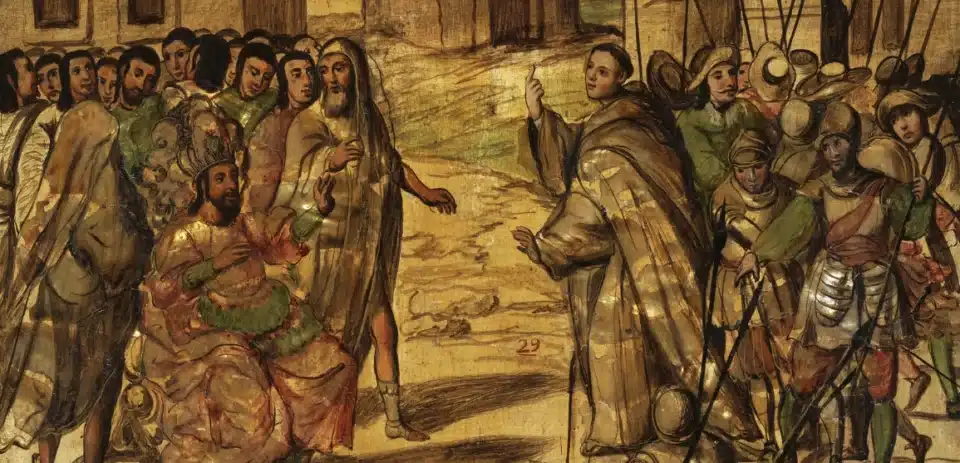
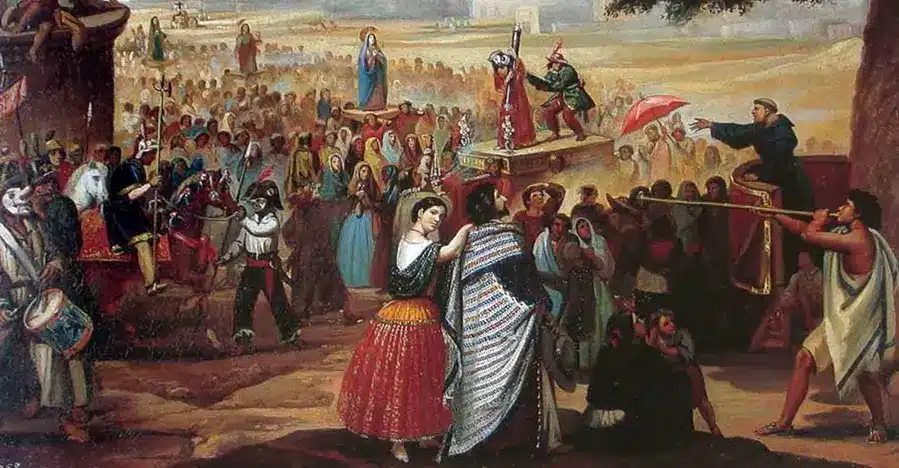
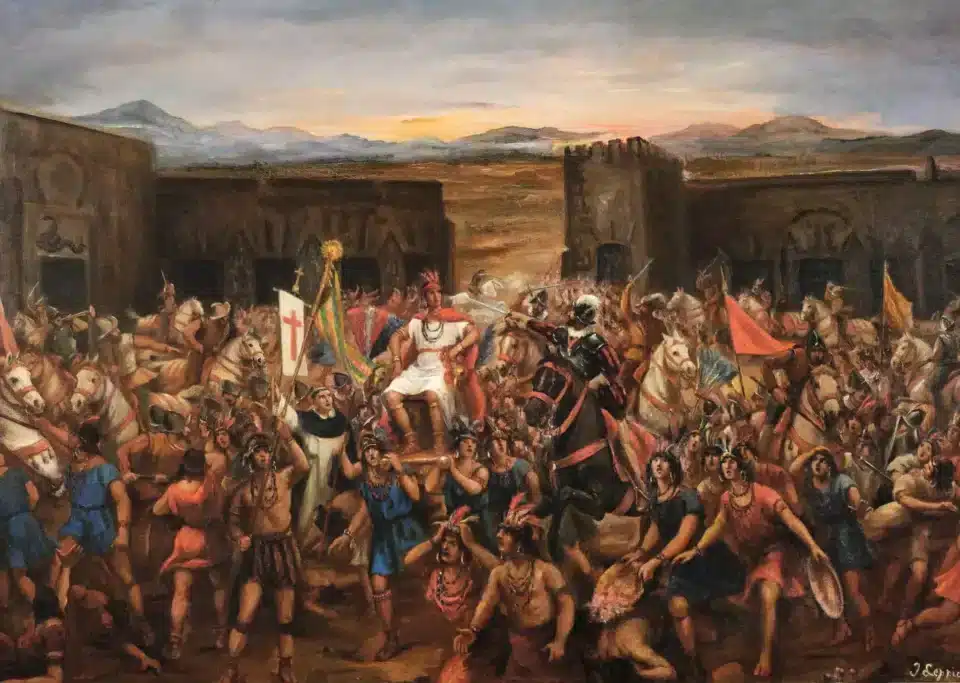
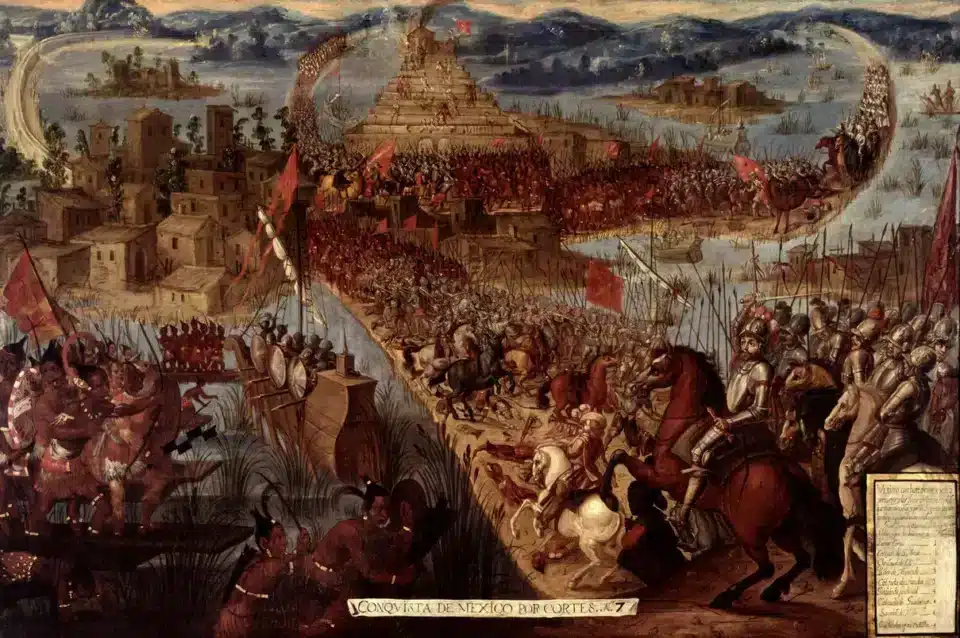
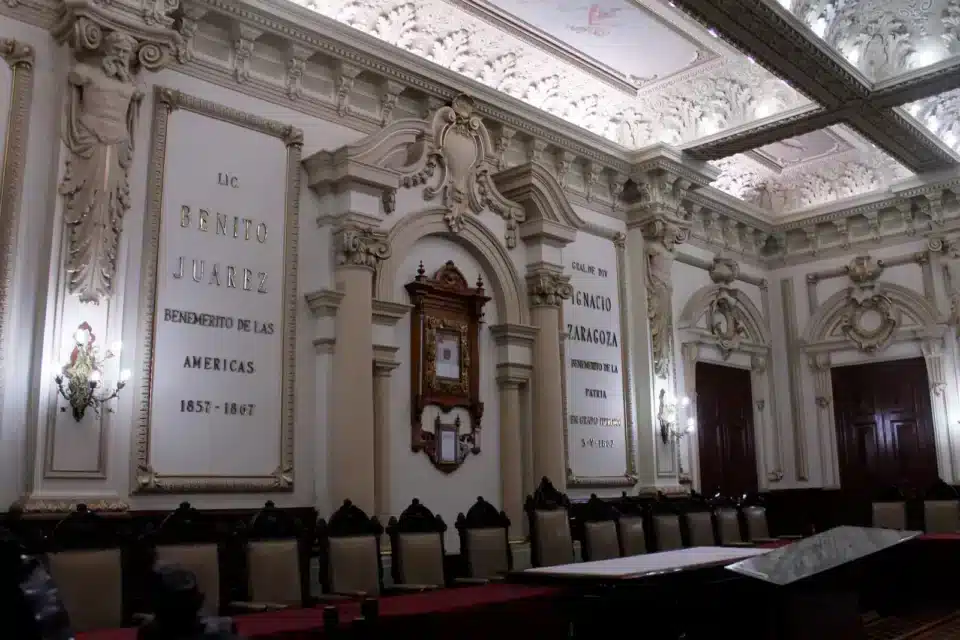
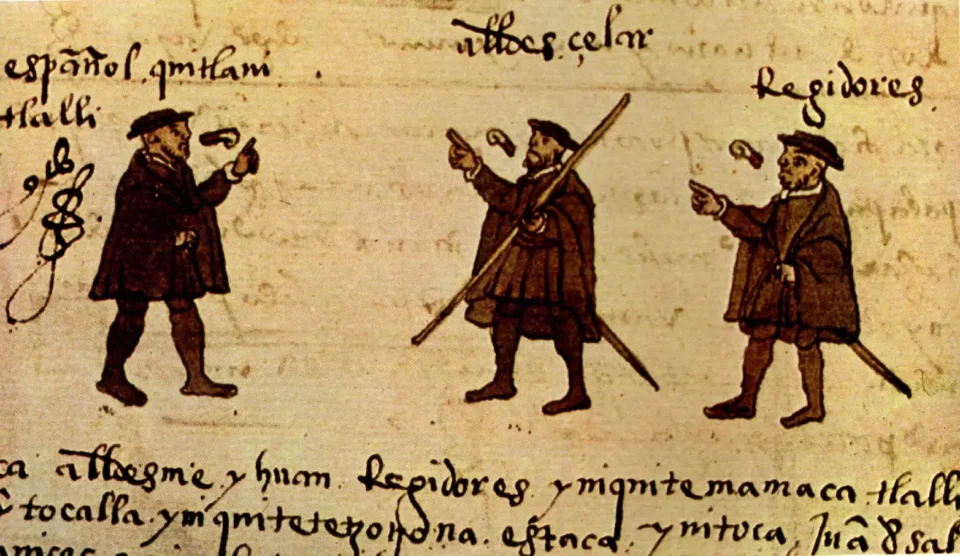
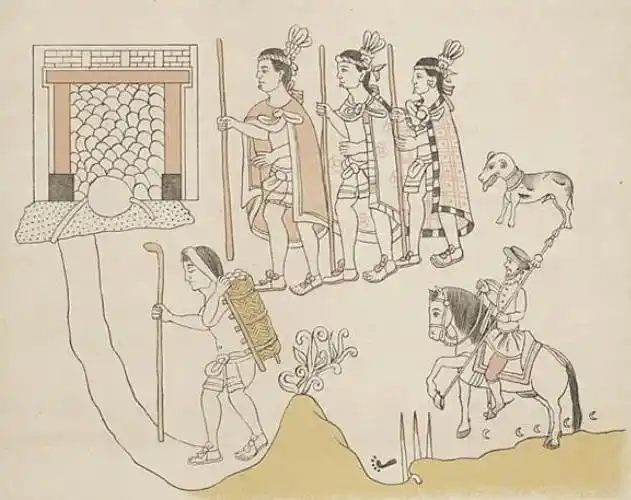
Entry of the Spanish into Chalco, on the road to Tenochtitlán
February 16, 2026

Indigenous livestock farming in the Viceroyalty of New Spain: wealth and social cohesion in the Mixteca region

In the 16th century, the Mixteca region stood out for its indigenous livestock wealth, which even surpassed that of Spanish landowners. This article analyzes how small livestock strengthened social cohesion and limited the expansion of large estates in the Viceroyalty of New Spain.
History of Mexico
Read More Indigenous livestock farming in the Viceroyalty of New Spain: wealth and social cohesion in the Mixteca region
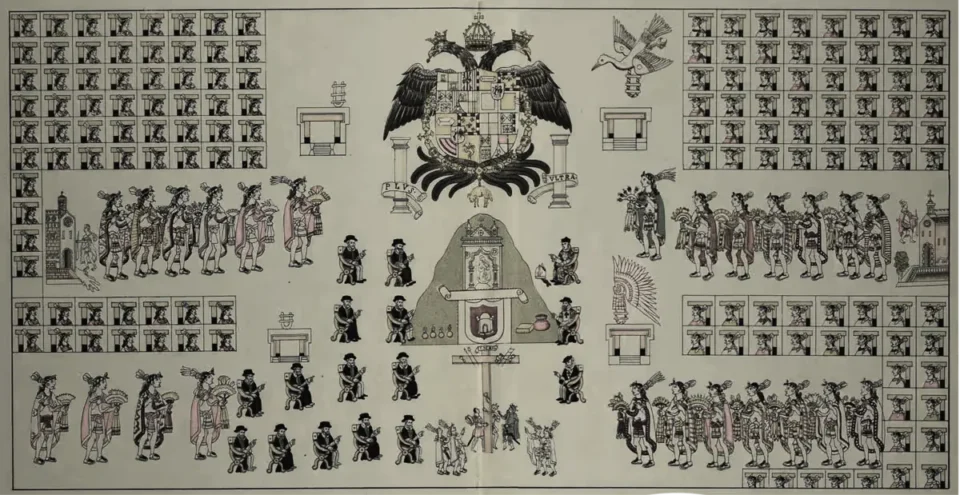
First minutes of the Mexico City Council
February 12, 2026

Indigenous councils and the “order of the republic”: political reorganization and control in the 16th century

Los cabildos indígenas fueron órganos clave en la reorganización política de la Nueva España durante el siglo XVI, actuando como intermediarios entre la Corona de Castilla y las comunidades locales, y mostrando un delicado equilibrio entre control virreinal y continuidad indígena.

History of Mexico
Read More Indigenous councils and the “order of the republic”: political reorganization and control in the 16th century
Miguel González and Juan González, 1698
February 10, 2026

The two republics in New Spain: indigenous peoples, Spaniards, and the viceregal social order (16th century)

Durante el siglo XVI, la Corona de Castilla organizó la sociedad novohispana bajo el modelo de las dos repúblicas: la de indígenas y la de españoles. Este artículo analiza su fundamento legal, su aplicación práctica y las tensiones que surgieron en la vida cotidiana del virreinato.

History of Mexico
Read More The two republics in New Spain: indigenous peoples, Spaniards, and the viceregal social order (16th century)
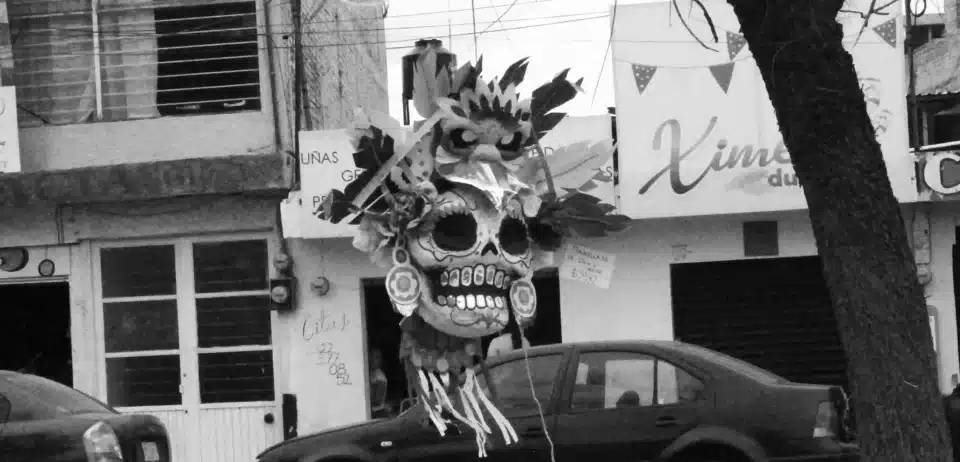
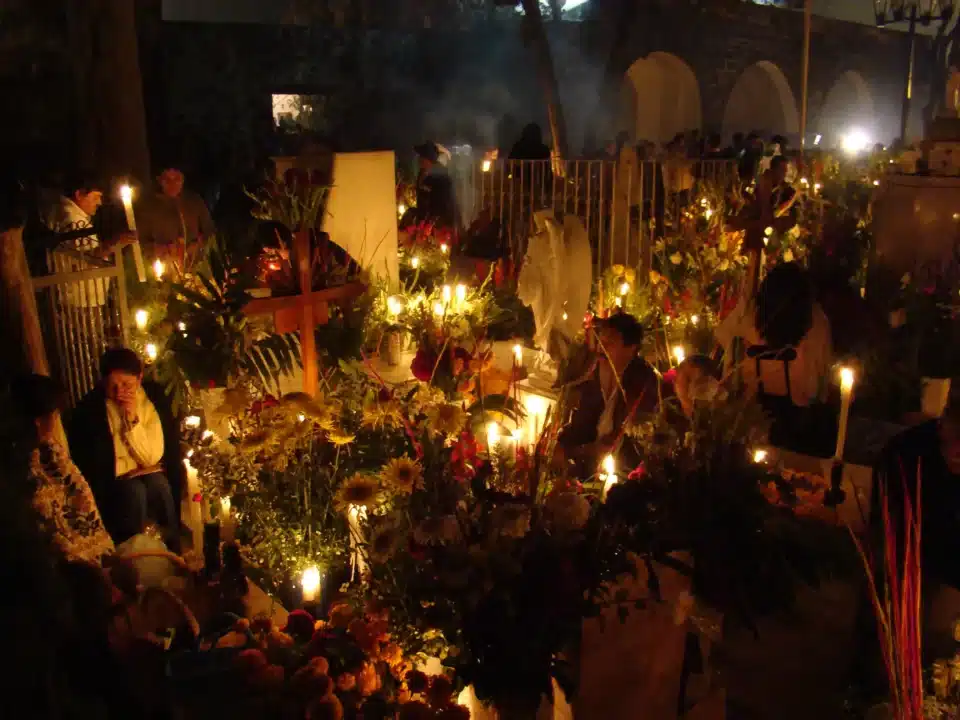
Scene of the Day of the Dead "alumbrada" in San Andrés Mixquic, Mexico City (November 2, 2009). Photo: Thelmadatter. License: CC BY-SA 3.0.
October 22, 2025

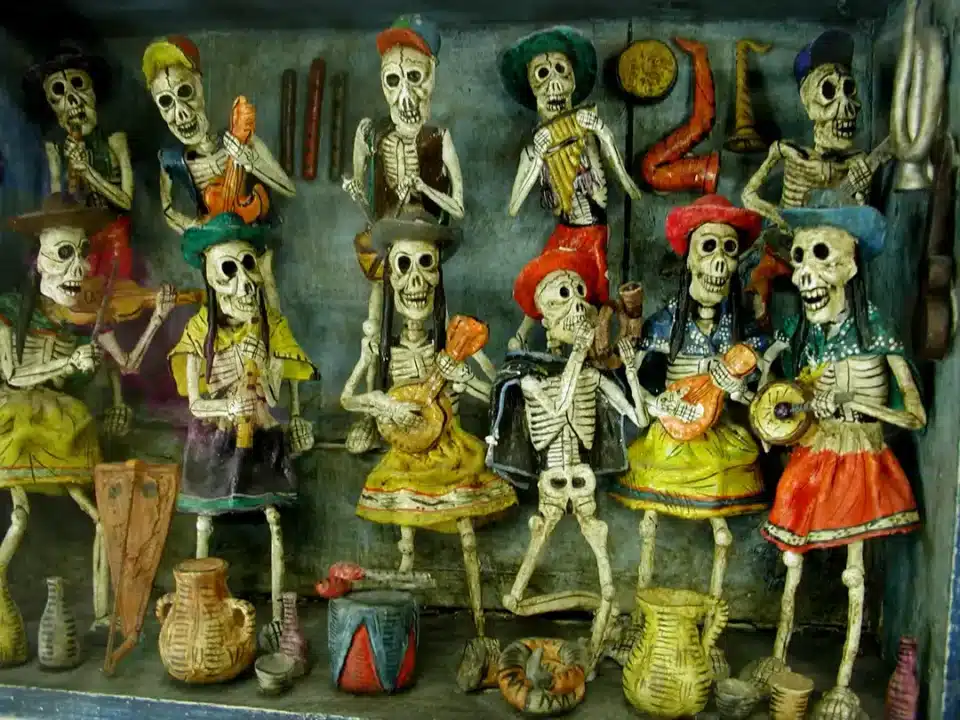
From evangelization to syncretism: the Days of the Souls in New Spain (predecessor of the modern Day of the Dead)

The Days of the Dead in New Spain were the result of the encounter between indigenous beliefs about death and the Catholic festivities instituted by Popes Gregory III and IV. This syncretism, promoted and tolerated by the friars, transformed the ancient ancestor cults into a mestizo celebration that endures in the Day of the Dead.

History of Mexico
Read More From evangelization to syncretism: the Days of the Souls in New Spain (predecessor of the modern Day of the Dead)
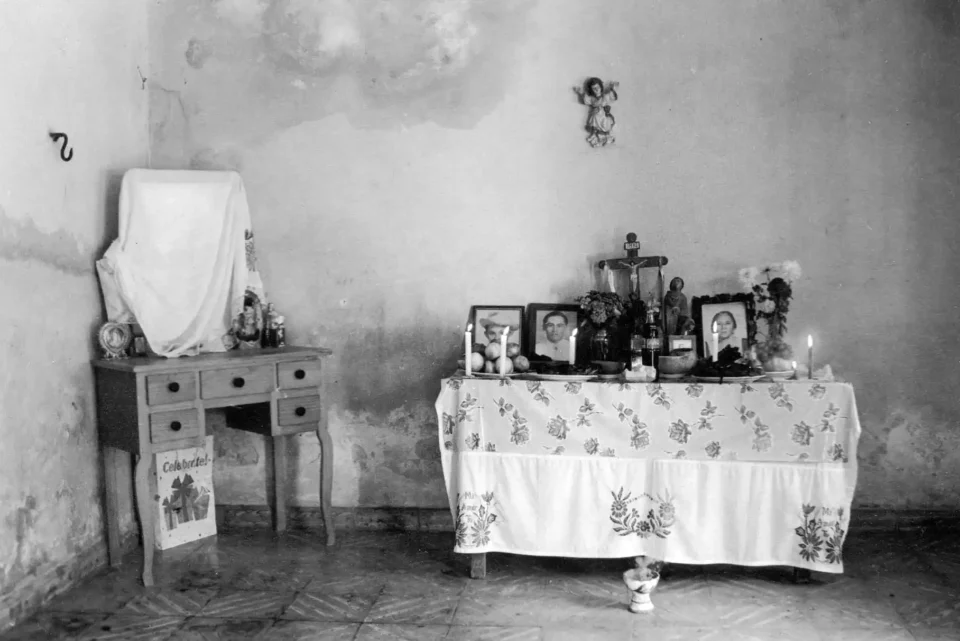
Altar de Hanal Pixán en Ucú, Yucatán; la familia cubrió el espejo para que el espíritu no se vea cuando acude a sus ofrendas. Foto: Juan Manuel Arana Ravell, 1 de septiembre de 2016. Licencia: CC BY-SA 4.0.
October 22, 2025

Day of the Dead altars and ofrendas: symbols of the reunion between the living and the dead

The Day of the Dead altars were born during the viceregal era as an adaptation of the indigenous offerings to the Catholic calendar. In them, the Spanish domestic altar and the Mesoamerican symbolic elements were united, giving origin to a tradition that even today preserves the cempasúchil, the bread of the dead and the memory of the ancestors.

History of Mexico
Read More Day of the Dead altars and ofrendas: symbols of the reunion between the living and the dead
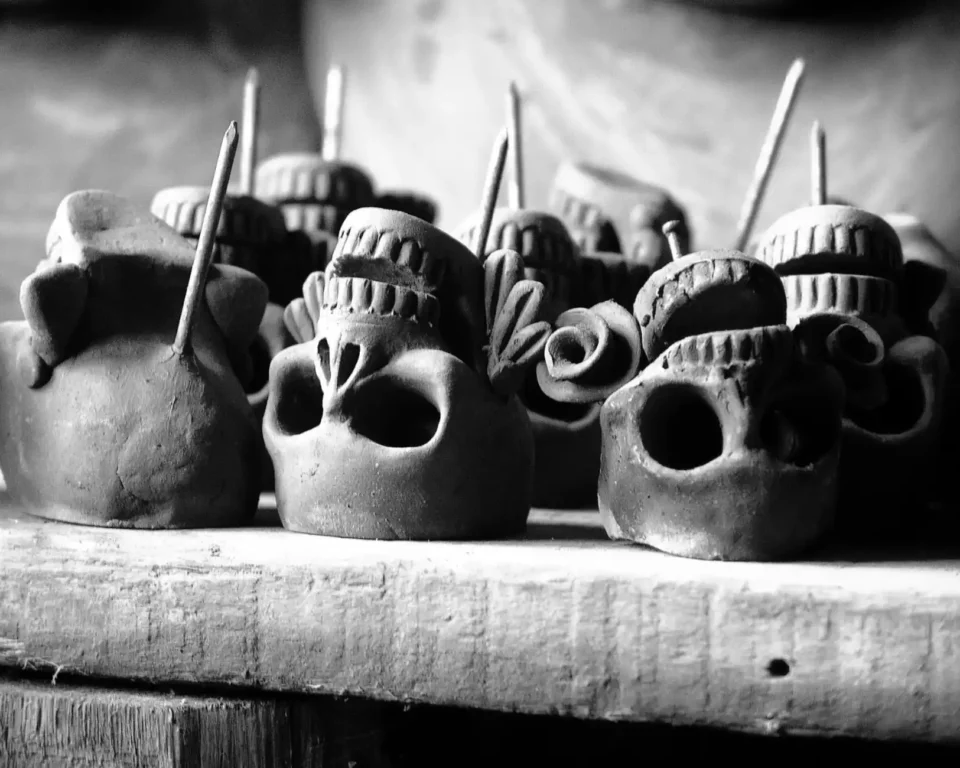
Detalle del anverso de una mesa ofrenda del Día de Muertos. Fotografía: Smithsonian Institution, 2010. Licencia: CC BY-SA 2.0.
October 22, 2025

Lázaro Cárdenas and the transformation of the Day of the Dead: from the Days of the Dead to the Mexican national symbol.

The Days of the Souls, inherited from the Viceroyalty, survived wars and prohibitions until it was transformed into the modern Day of the Dead. Under the cultural impulse of Lázaro Cárdenas, this tradition became a symbol of Mexican identity.

History of Mexico
Read More Lázaro Cárdenas and the transformation of the Day of the Dead: from the Days of the Dead to the Mexican national symbol.
Día de Muertos en el cementerio local de Tzintzuntzan, Michoacán. Foto: autor desconocido / Wikimedia Commons. Licencia: CC BY-SA 4.0.
October 22, 2025

Regional Day of the Dead Celebrations: from Patzcuaro to Mixquic, the diversity of the tradition

From Patzcuaro to Yucatan, Day of the Dead celebrations reveal Mexico’s cultural diversity. Each region preserves unique rituals – the Mixquic alumbrada, the Mayan Hanal Pixán or the Oaxacan altars – that keep alive the tradition of honoring the dead.

History of MexicoNo category
Read More Regional Day of the Dead Celebrations: from Patzcuaro to Mixquic, the diversity of the tradition
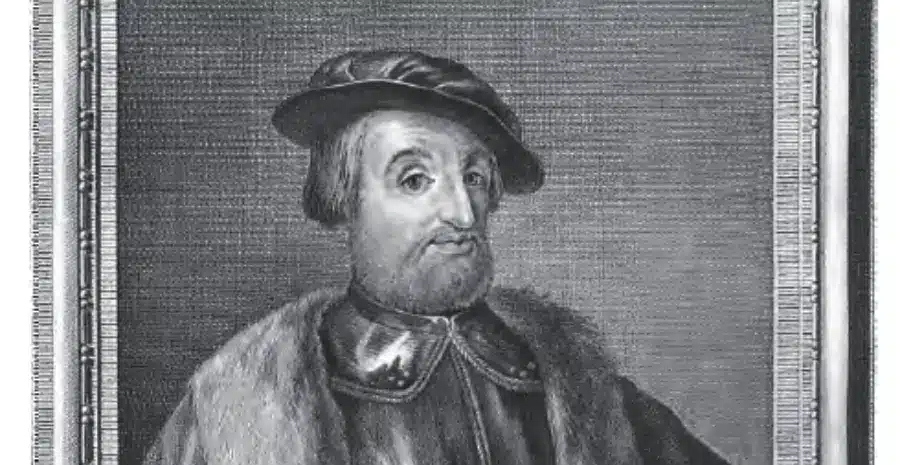
Portrait of Hernán Cortés with armor and red sash, oil painting attributed to an anonymous author of the XVI century.
October 15, 2025

Claims of nobility in New Spain: the soldiers of Hernán Cortés’ military journey and their quest for honors.

After Hernán Cortés’ military journey, many of his soldiers sought titles and privileges before the Crown of Castile, convinced that their merits in the war against the Mexica lordship made them worthy of nobility.

History of MexicoNo category
Read More Claims of nobility in New Spain: the soldiers of Hernán Cortés’ military journey and their quest for honors.
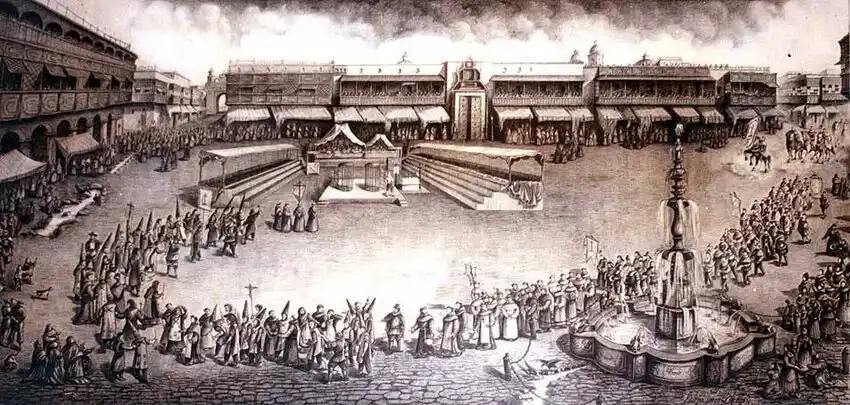
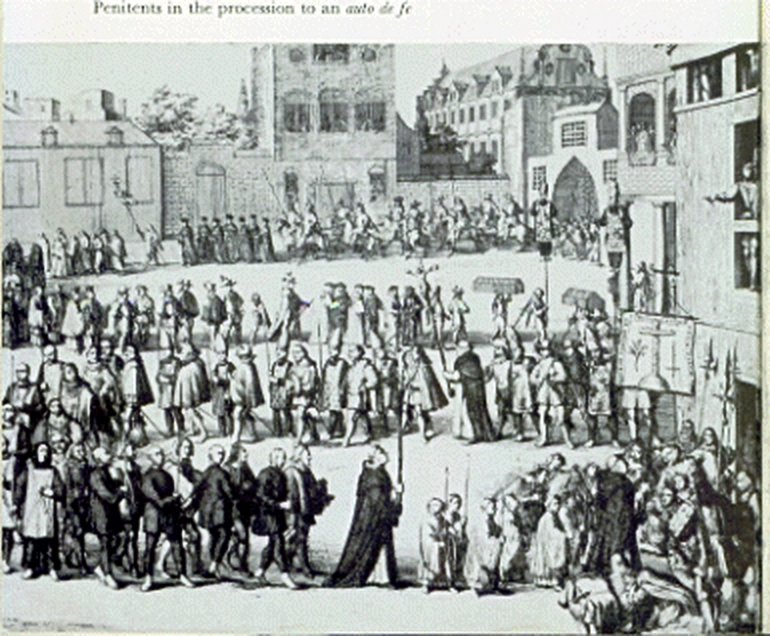
Engraving of an auto de fe in Lima (17th century). Symbolic representation to illustrate the public acts of the Tribunal of the Holy Office in Spanish America.
October 13, 2025

The visit to the Tribunal of the Holy Office in New Spain (1645-1662): denunciations, abuses and sentences.

Between autos de fe and internal conflicts, the Tribunal of the Holy Office in New Spain experienced one of its most complex crises: the inquisitorial visitation of 1645-1662, marked by denunciations, abuses and sentences against its own ministers.

History of MexicoNo category
Read More The visit to the Tribunal of the Holy Office in New Spain (1645-1662): denunciations, abuses and sentences.
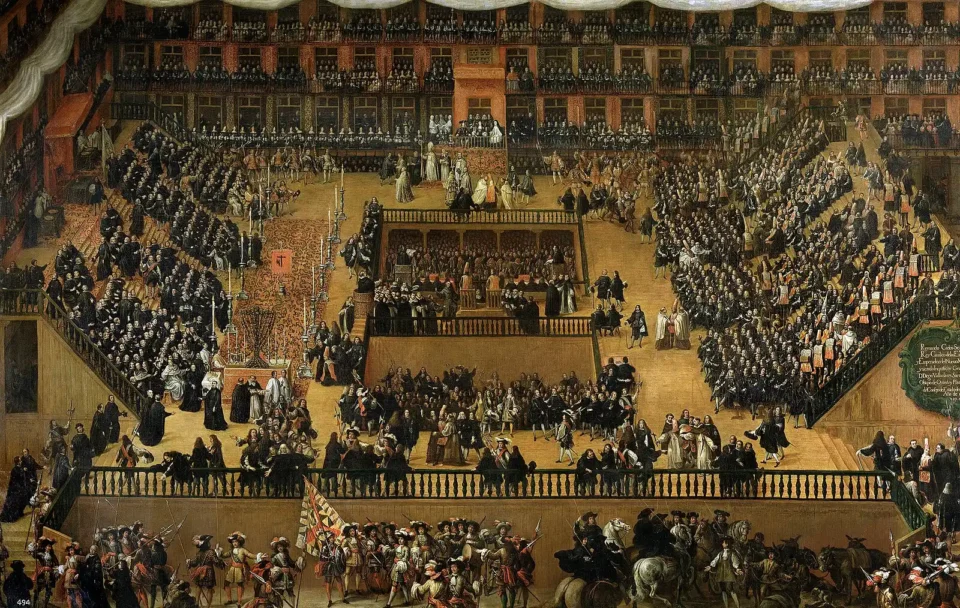
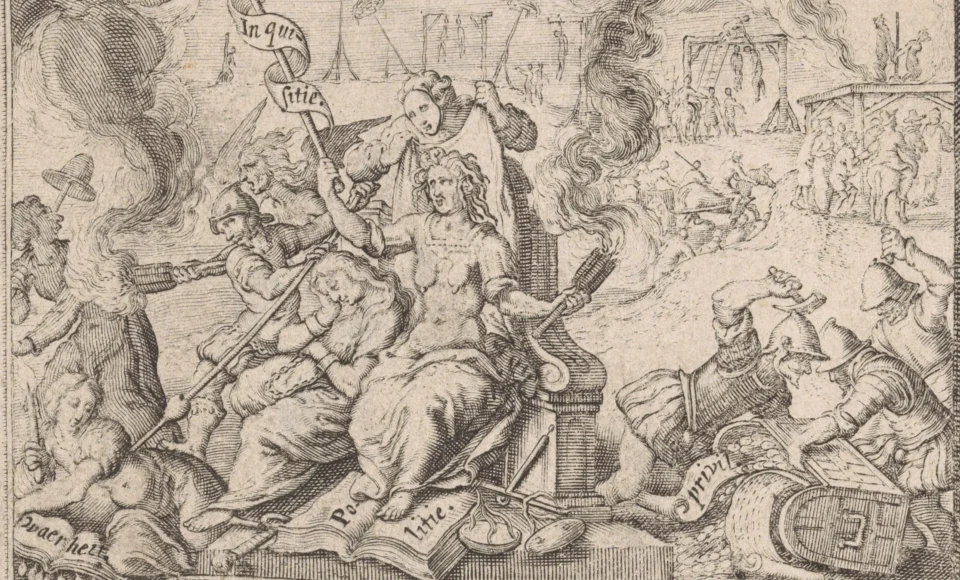
Engraving attributed to Samuel Stradanus (Metropolitan Museum of Art), 17th century - visual context approximating the period in which the Inquisition faced its crisis and reactivation with the edict of 1643.
September 26, 2025

The crisis and reactivation of the Inquisition in New Spain: conflicts, town councils and the edict of 1643.

During the 1630s, the Inquisition in New Spain entered a period of decadence due to conflicts with the viceroy and the town councils. However, in 1643 it was reactivated with the solemn reading of the general edict of faith, which marked a revival in its activities.

History of MexicoNo category
Read More The crisis and reactivation of the Inquisition in New Spain: conflicts, town councils and the edict of 1643.
Allegory of the torment of Francisca de Carvajal during the Inquisition.
September 23, 2025

The inquisitorial process against Francisca Núñez de Carvajal: torment, faith and suffering.

The record of the torment of Francisca Núñez de Carvajal shows, step by step, the violence exercised by the Inquisition in New Spain. Her resistance reflects the strength of a woman who, even in extreme pain, did not renounce her faith or her dignity.

History of MexicoNo category
Read More The inquisitorial process against Francisca Núñez de Carvajal: torment, faith and suffering.
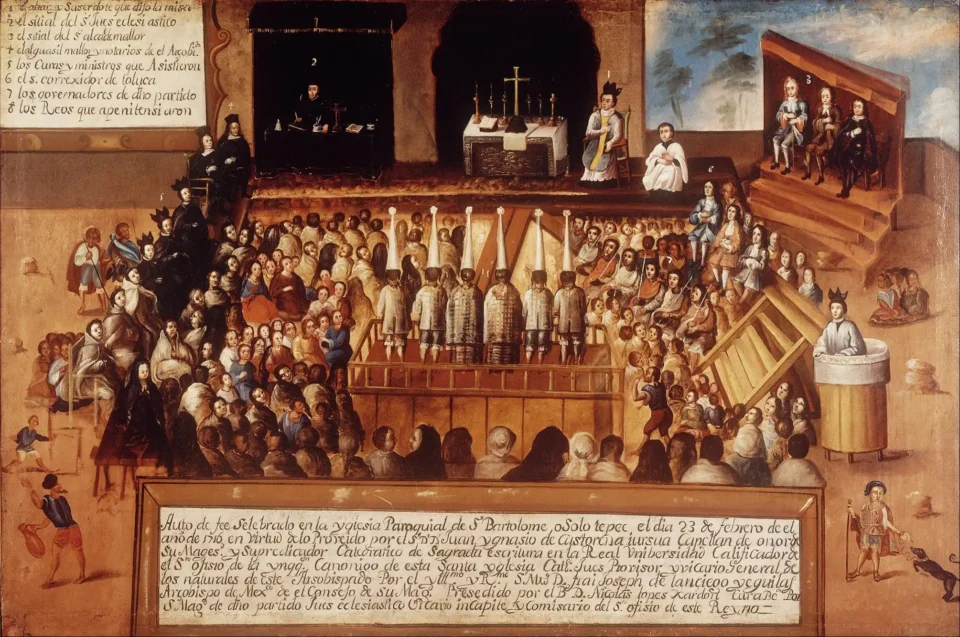
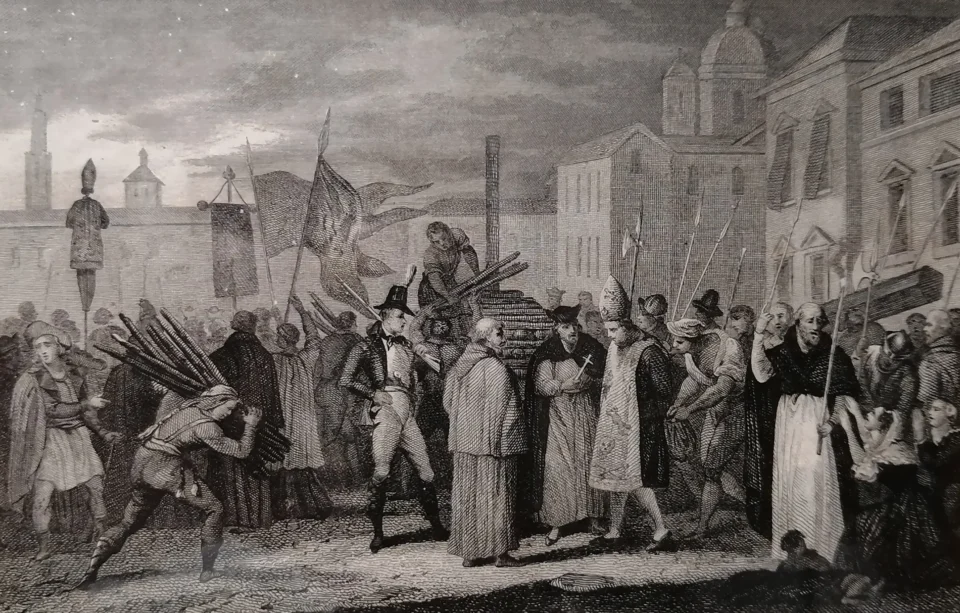
Auto de fe in the town of San Bartolomé Otzolotepec.
September 21, 2025

The Tribunal of the Holy Office in New Spain: origins, oaths and autos de fe (oaths and autos de fe)

The installation of the Tribunal of the Holy Office in New Spain in 1571 transformed the religious life of the viceroyalty. From oath ceremonies and edicts of grace to the most famous autos de fe, this article narrates how inquisitorial power was consolidated in New Spain’s society.

History of MexicoNo category
Read More The Tribunal of the Holy Office in New Spain: origins, oaths and autos de fe (oaths and autos de fe)
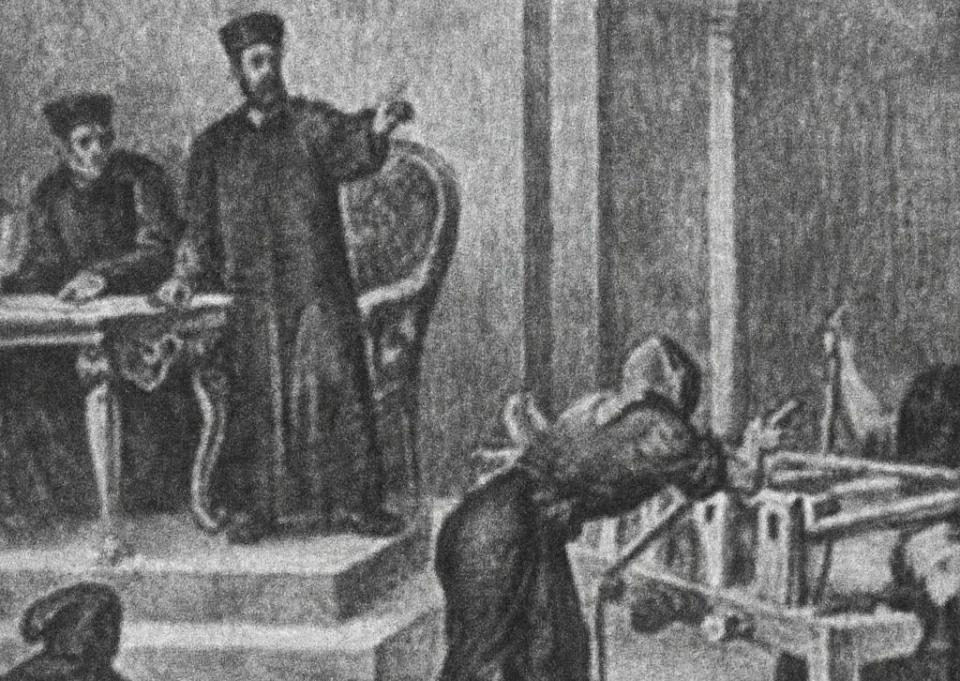
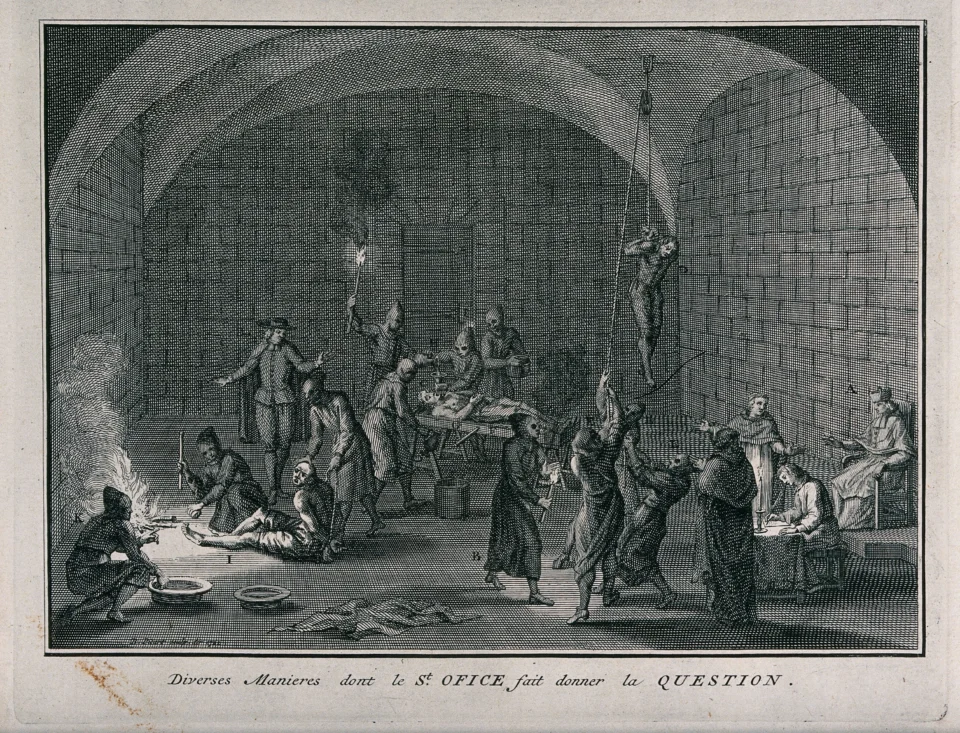
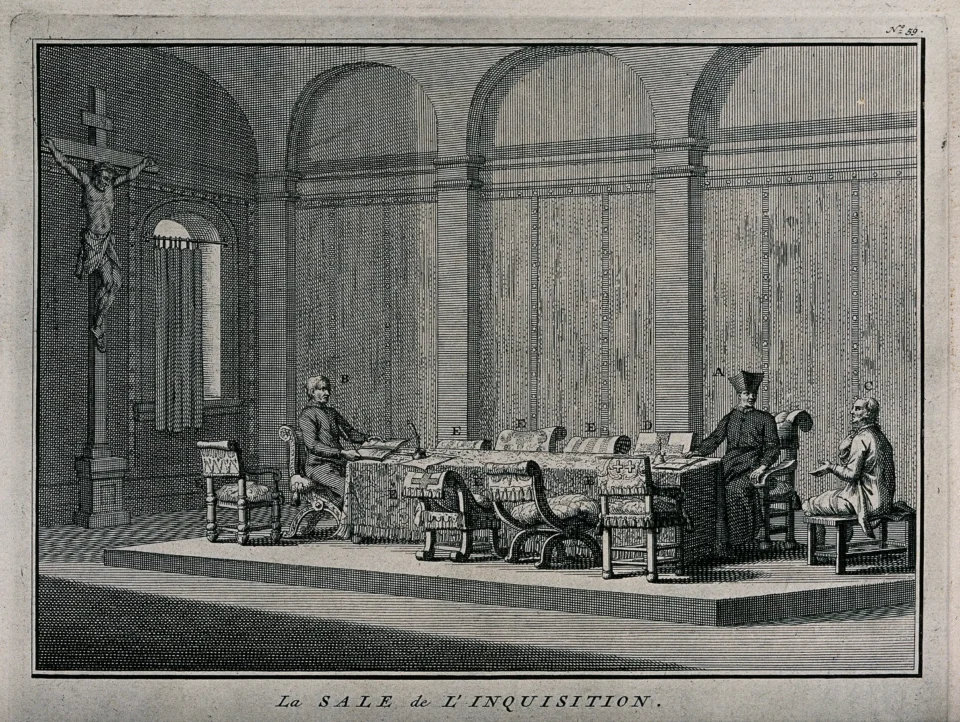
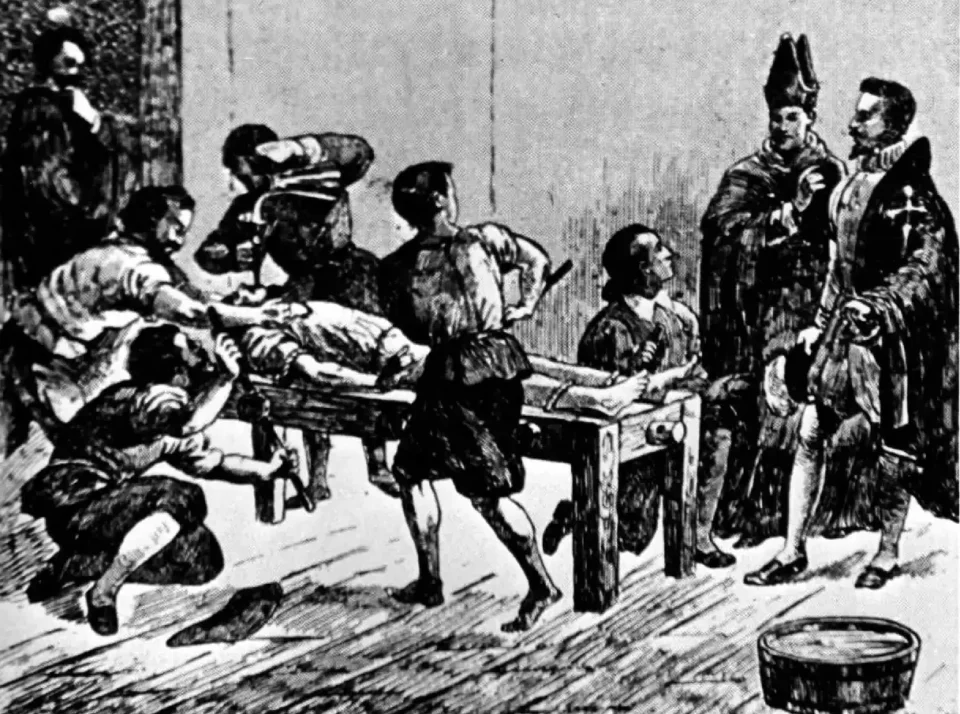
Interrogation room of the Spanish Inquisition.
September 14, 2025

Origins of the Inquisition in New Spain: from the religious control to the first autos de fe (acts of faith)

The Inquisition in New Spain was officially established in 1571 under Pedro Moya de Contreras, but its antecedents date back to the religious controls exercised since the early years of the viceroyalty. This article reviews its foundation, the crimes it prosecuted and the first auto de fe in Mexico.

History of MexicoNo category
Read More Origins of the Inquisition in New Spain: from the religious control to the first autos de fe (acts of faith)
Nueva Francia
August 20, 2025

The French threat in the north of the viceroyalty: the fort of San Luis and the novo-Hispanic response.

When La Salle founded the fort of San Luis on land that is now part of Texas, the Catholic monarchy reacted quickly to protect its northern border. This episode marked the beginning of a defensive expansion, Franciscan missions and constant vigilance against the foreign threat.

History of Mexico
Read More The French threat in the north of the viceroyalty: the fort of San Luis and the novo-Hispanic response.
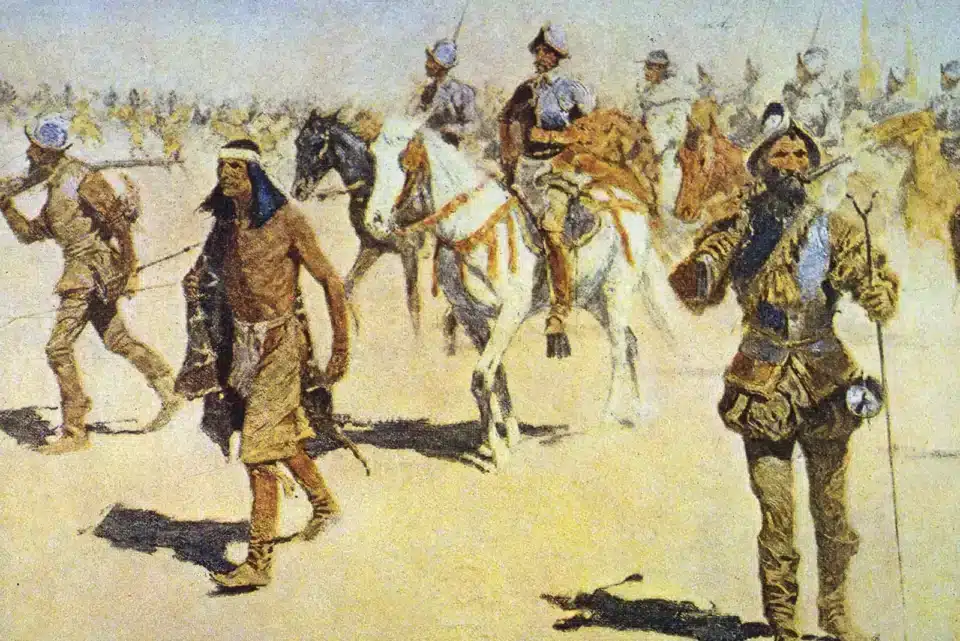
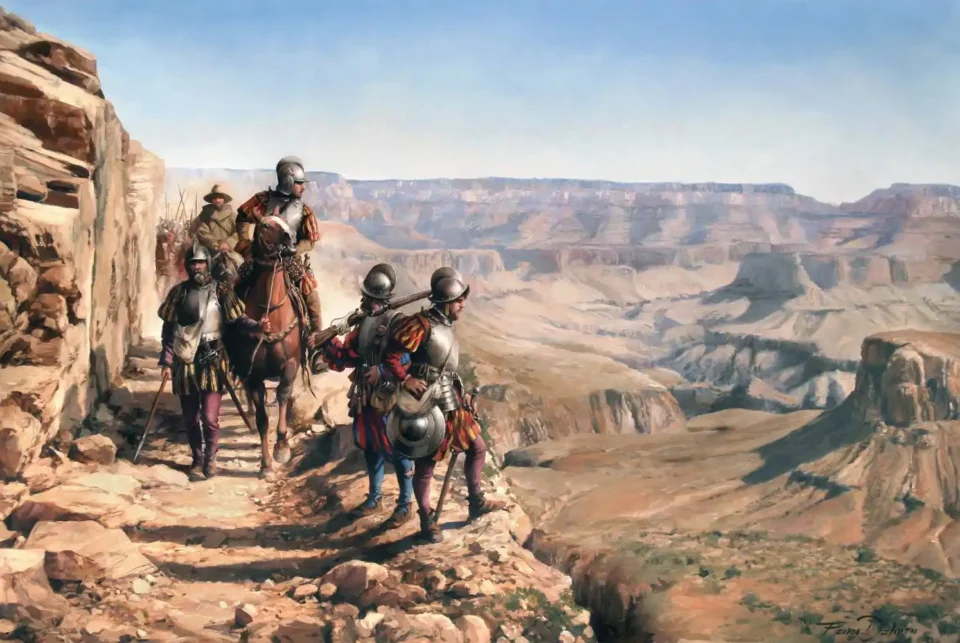
Franciso Vazque s de Coronado expedicion a Cibloa
August 16, 2025

Francisco Vázquez de Coronado and the expedition to Cíbola: from the golden myth to the arid territory.

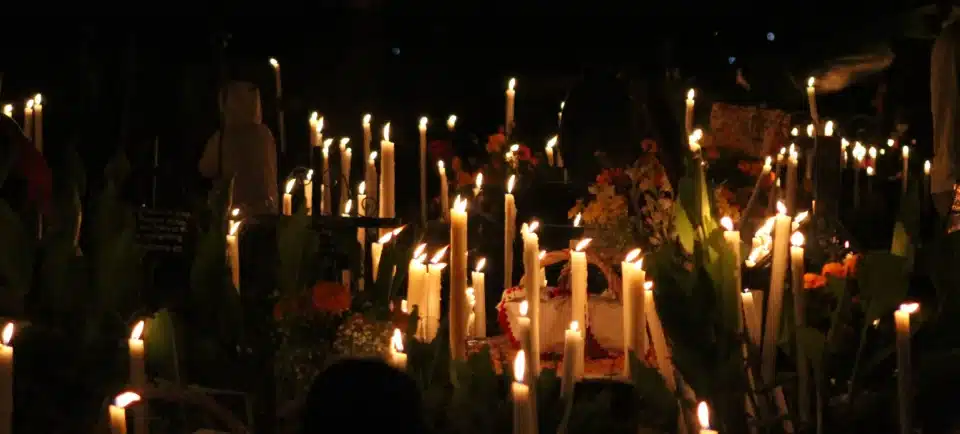
Prompted by the stories of Friar Marcos de Niza, Francisco Vázquez de Coronado led an expedition in search of the legendary Seven Cities of Gold. What he found, however, was a vast arid territory, resistant tribes and a bitter lesson on the limits of myth versus reality. This expedition, although unsuccessful in its initial objective, left a profound impact on the cartography and geographical knowledge of the northern part of the viceroyalty of New Spain.
History of Mexico
Read More Francisco Vázquez de Coronado and the expedition to Cíbola: from the golden myth to the arid territory.
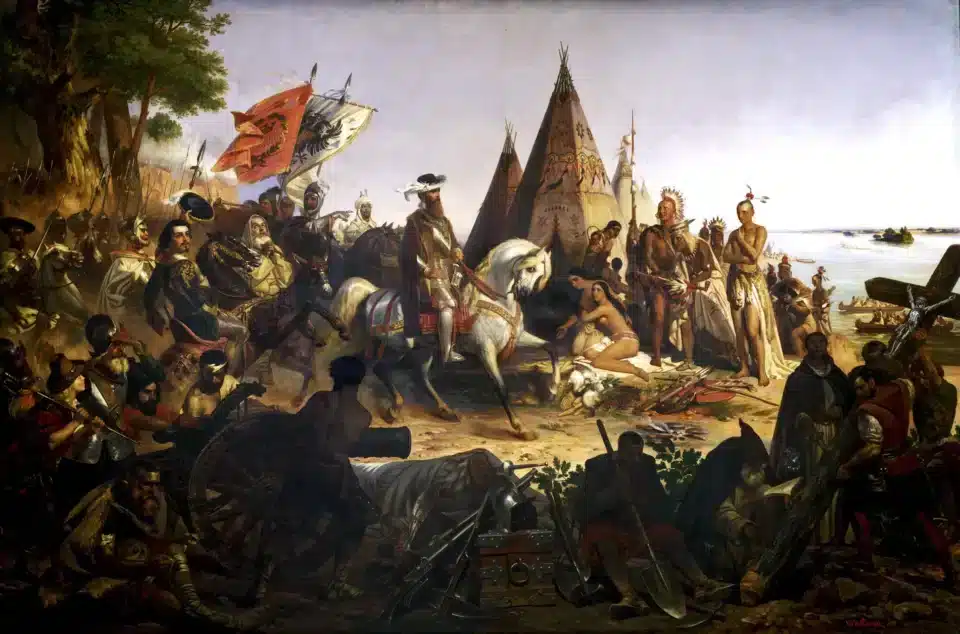
Descubrimiento del rio Mississipi
August 13, 2025

The taking of possession in New Spain: ritual, symbolism and justification of dominion.

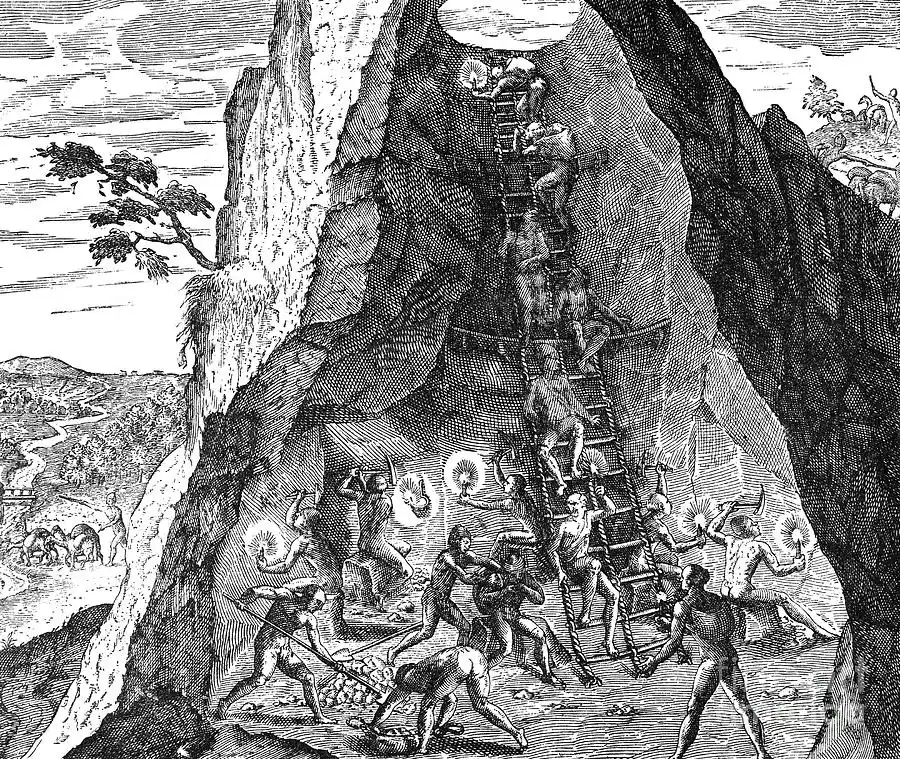
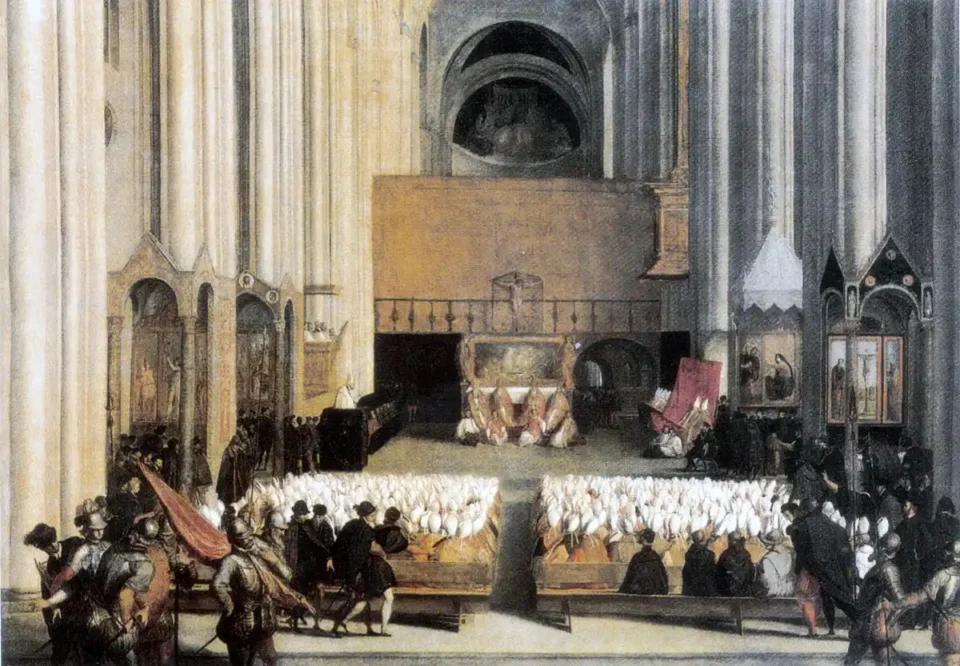
In 1598, Juan de Oñate took possession of lands in the north of the viceroyalty of New Spain. This act not only implied a legal procedure, but also a symbolic strategy to legitimize the dominion over territories already inhabited by indigenous peoples. In this article we analyze the context, the ritual and its implications, highlighting the tensions between the Castilian imperial order and indigenous ways of life and organization.
History of Mexico
Read More The taking of possession in New Spain: ritual, symbolism and justification of dominion.
Juan de Oñate
August 11, 2025

Juan de Oñate and the hard beginnings of New Mexico: ambitions, resistance and uprooting

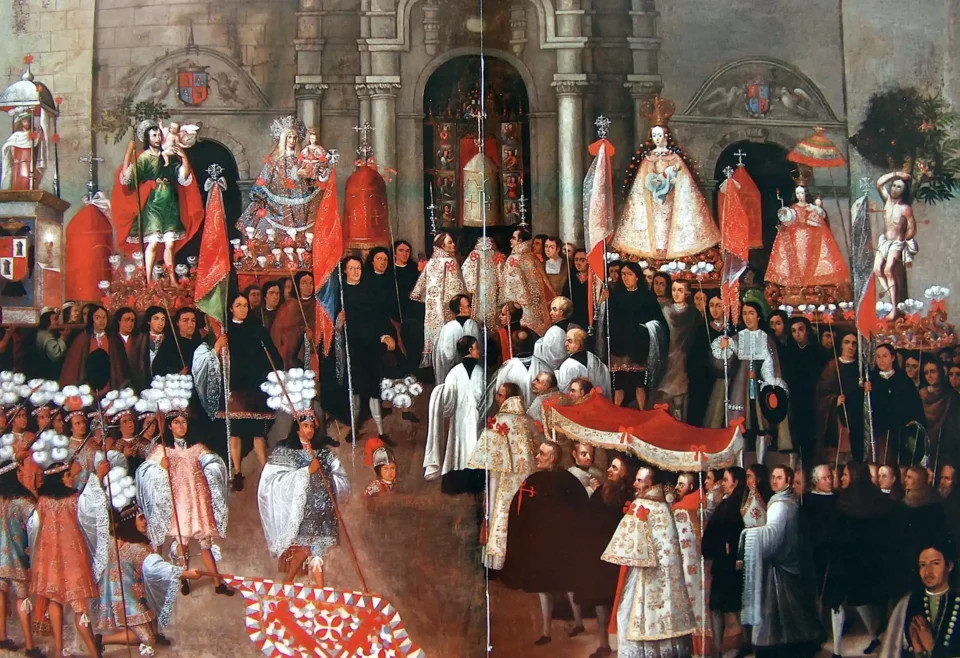
Juan de Oñate’s entry into the northern territories in 1598 was an enterprise laden with imperial expectations and human frustrations. Under promises of wealth, evangelization and dominion, his expedition faced the harsh reality of the landscape, the resistance of the native peoples and the attrition of his own people. This article recounts the complex beginning of the so-called New Mexico, from the symbolic takeover to the disenchantment that accompanied its colonization.

History of Mexico
Read More Juan de Oñate and the hard beginnings of New Mexico: ambitions, resistance and uprooting
Expedicioines- hernan cortes y sus aliados indigenas
August 7, 2025

Territorial expansion in the origins of New Spain: alliances, exploration, and resistance

The territorial expansion that gave rise to New Spain combined exploration routes, rivalries between figures such as Cortés and Guzmán, and alliances with indigenous peoples such as the Tlaxcaltecs, Huejotzings, and Totonacs. But upon reaching the north, resistance from nomadic peoples completely transformed the strategies of the viceroyalty in formation.

History of Mexico
Read More Territorial expansion in the origins of New Spain: alliances, exploration, and resistance
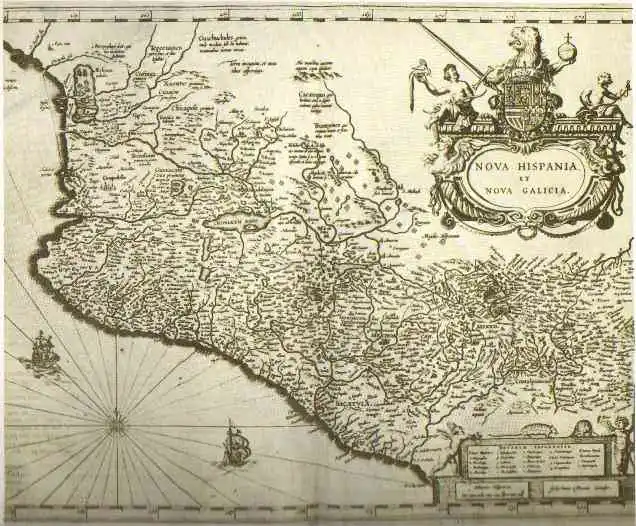
Cibola Mapa antiguo
August 6, 2025

The Seven Cities of Gold: The Myth Born with Fray Marcos de Niza and the Exploration of the North

The myth of the seven cities of gold arose from the account of Fray Marcos de Niza in 1539. His vision of Cíbola, adorned with turquoise and stone houses, motivated one of the most ambitious expeditions of New Spain: that of Vázquez de Coronado. This article explores how a story between faith, desire, and exaggeration transformed the history of northern Mesoamerica.

History of Mexico
Read More The Seven Cities of Gold: The Myth Born with Fray Marcos de Niza and the Exploration of the North
Alvar Nuñes Caveza de Vaca
August 5, 2025

Álvar Núñez Cabeza de Vaca and the origin of new expeditions: between shipwrecks, healing, and survival

In 1536, Álvar Núñez Cabeza de Vaca arrived in New Spain after an unexpected journey through the north of the continent. His account, full of encounters, shipwrecks, and healing rituals, aroused the interest of Viceroy Antonio de Mendoza and led to new expeditions in search of the regions he described.

History of Mexico
Read More Álvar Núñez Cabeza de Vaca and the origin of new expeditions: between shipwrecks, healing, and survival
Comreciantes Mexicas
July 28, 2025

The path of a pochteca (Mexica trader)

This Nahuatl text, collected by Sahagún’s indigenous informants and translated by Ángel María Garibay, reveals the initiatory journey of a young Pochteca. Through words loaded with symbolism and teachings, we learn about the physical, spiritual and emotional challenges of being a merchant in the Mexica world. An intimate portrait of the honor, effort and hope that drove these ancestral paths.

History of Mexico
Read More The path of a pochteca (Mexica trader)
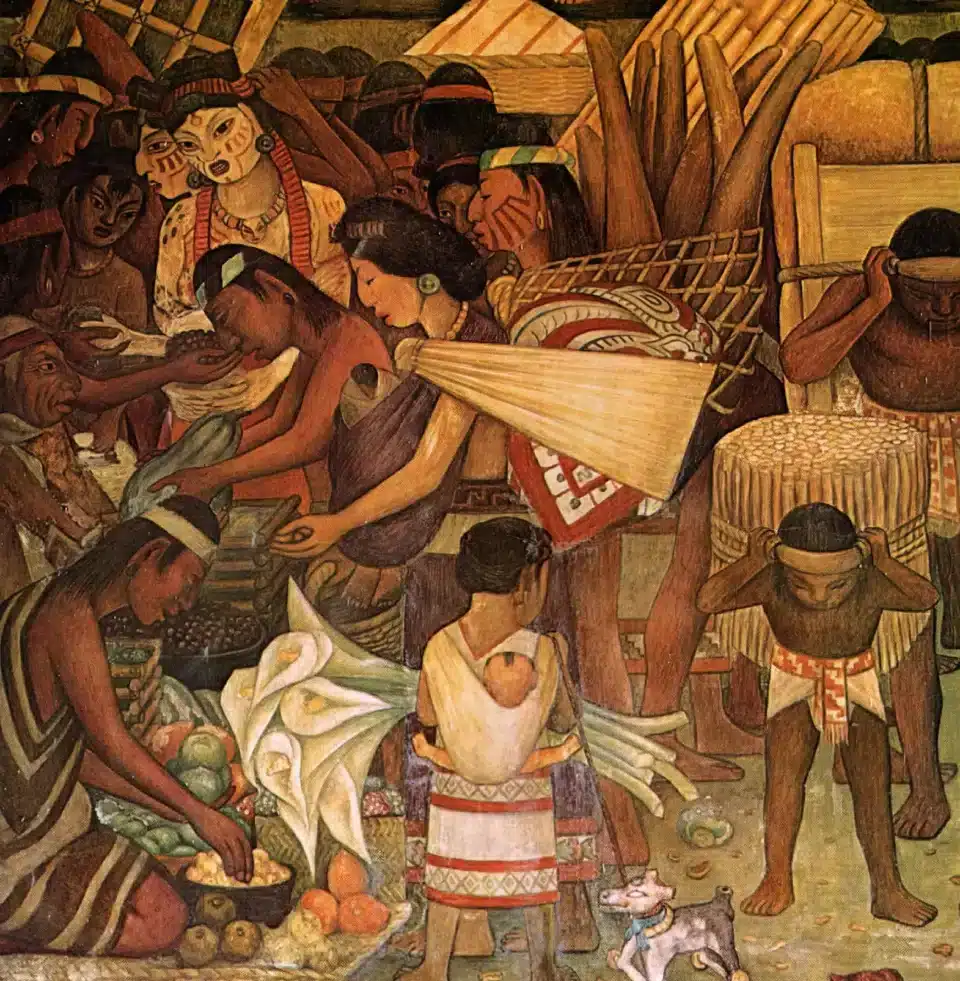
Intercambio comercial de los mexicas
July 27, 2025

Mexica trade: routes, markets and the emerging strength of the Pochtecs

Trade was one of the key forces driving the power of the Mexica lordship. From local tianguis to the long-range routes organized by the Pochtecs, the exchange of products was much more than an economic activity: it was a strategy of expansion and prestige that consolidated political, military and cultural networks throughout Mesoamerica.

History of Mexico
Read More Mexica trade: routes, markets and the emerging strength of the Pochtecs
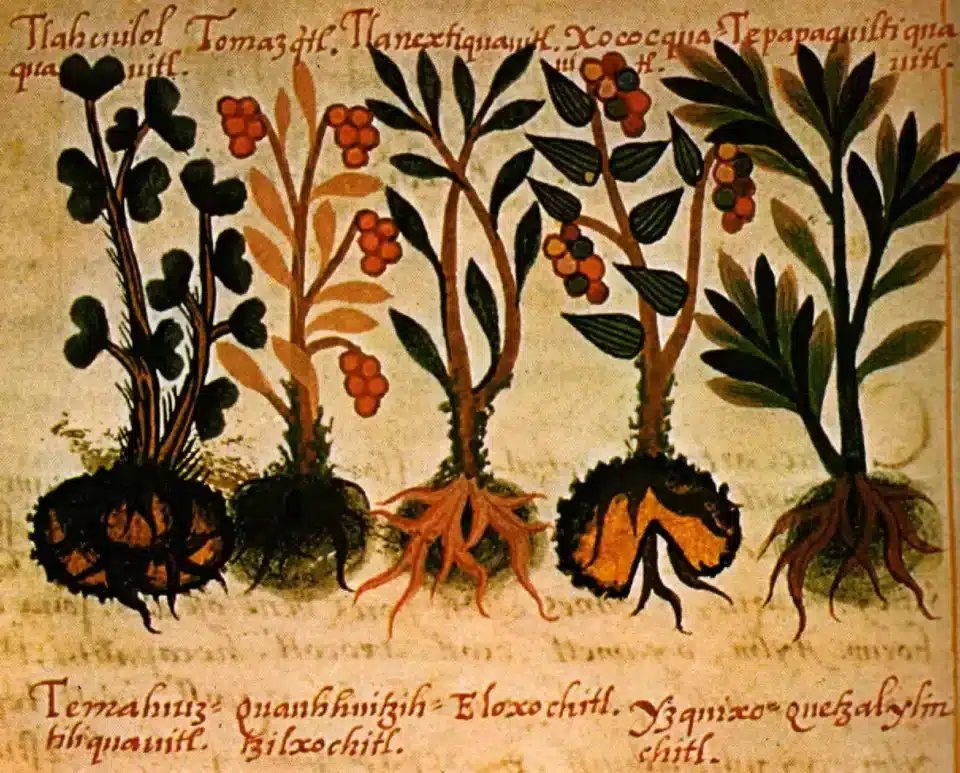
Plantas medicinales mexicas
July 27, 2025

Mexica agricultural work: labor diversity in the countryside

Agricultural work in the Mexica lordship was key to sustaining its economy. Different social groups, from calpulli peasants to tenant farmers and mayeque, actively participated in food production, with tasks differentiated according to their origin and link to the land. This system reflects the complexity of the Mexica social structure applied to the countryside.

History of Mexico
Read More Mexica agricultural work: labor diversity in the countryside
Mantas como tributo
July 26, 2025

The property regime in the Mexica lordship: power, prestige and social norms

In the Mexica lordship, property was not a simple right, but a symbol of prestige, bravery and belonging. This article analyzes how property, constructions and ways of life were regulated according to social rank, without delving into land, but highlighting the role of the calpulli and the symbolic function of objects and spaces.

History of Mexico
Read More The property regime in the Mexica lordship: power, prestige and social norms
Elustracion del codice florentino
July 26, 2025

Possession of land among the Mexica: territorial organization, rules and usufruct

La tierra en tiempos mexicas no era propiedad privada como la entendemos hoy, sino un recurso colectivo distribuido por calpullis y el Estado. Descubre cómo se organizaban las parcelas comunales, las tierras del templo y del ejército, así como las heredadas por los nobles por méritos o linaje.

History of Mexico
Read More Possession of land among the Mexica: territorial organization, rules and usufruct
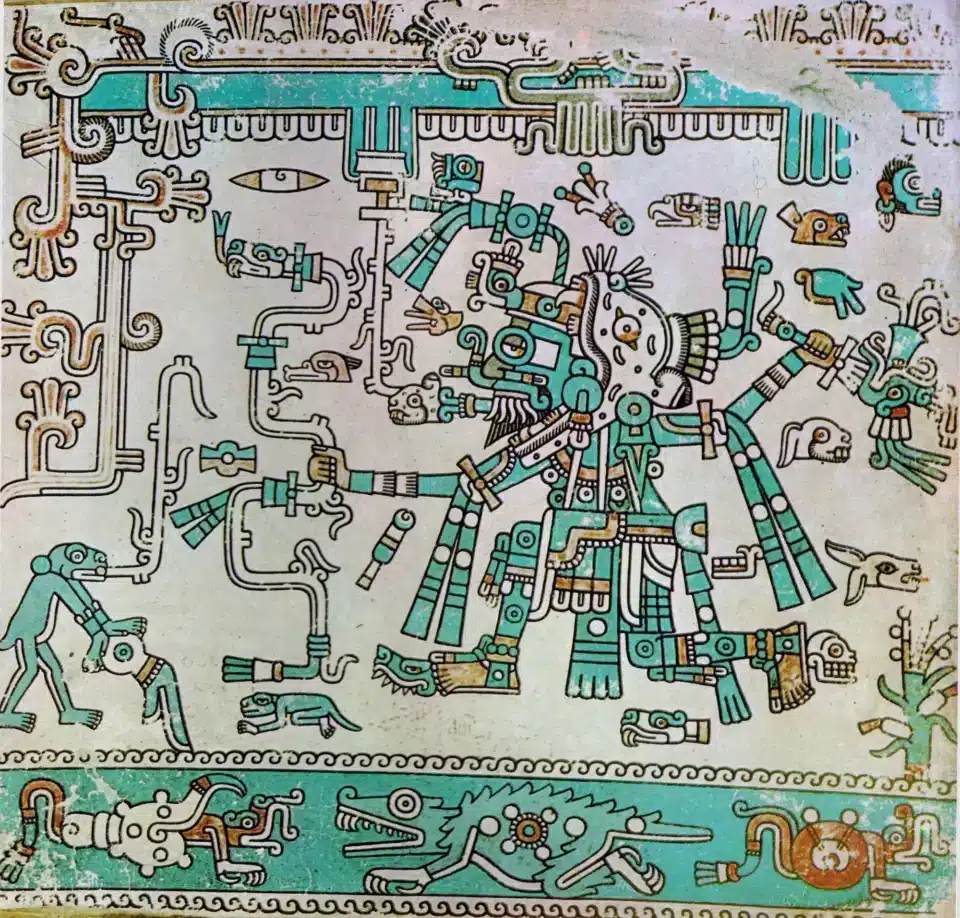
Página del codice Cospi
July 25, 2025

Economic production and use of natural resources in the Mexica lordship

The history of the Mexica lordship cannot be understood without observing the close relationship between its lake environment and its capacity for adaptation. From their settlement on the island of Mexico-Tenochtitlan, the Mexica transformed a hostile landscape into an economic, political and cultural center of great importance. In this article we explore how the Mexica took advantage of the available natural resources and developed a complex system of production and trade that allowed them to sustain one of the largest cities in the pre-modern world.

History of Mexico
Read More Economic production and use of natural resources in the Mexica lordship
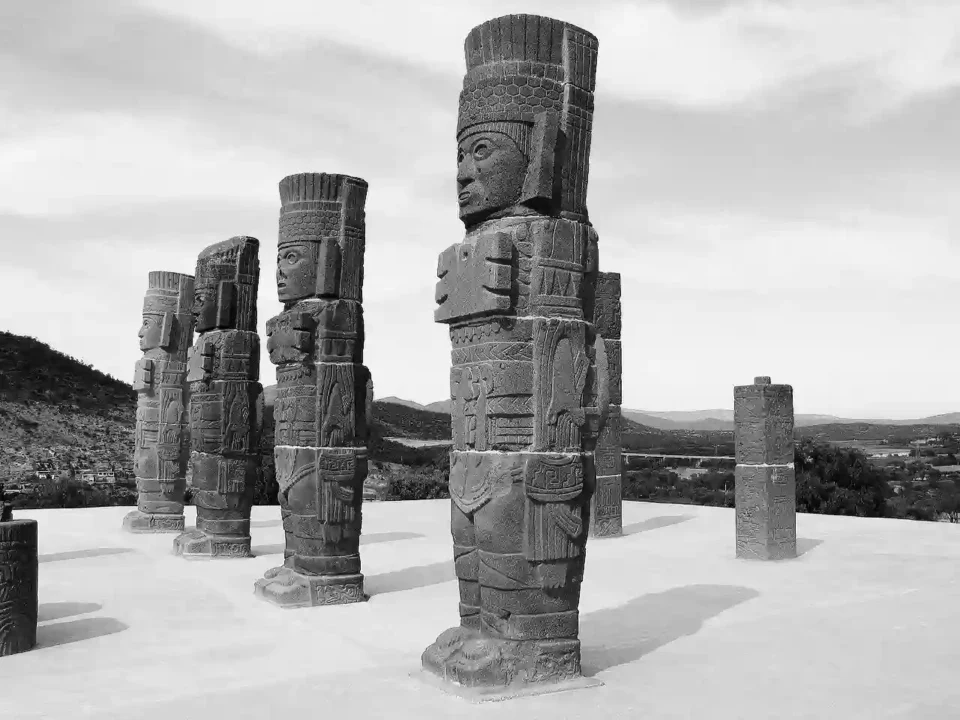
Guerreros de Tula
July 24, 2025

Main groups and civilizations that shaped the Mesoamerican Postclassic period

The Mesoamerican Postclassic was a period of intense mobility, where multiple peoples led processes of cultural and political reorganization. From the foundation of Tula to the league of Mayapán and the rise of lordships such as Cholula or Azcapotzalco, this stage was key to understanding the diversity and dynamism of Mesoamerica before the establishment of the viceroyalty.

History of Mexico
Read More Main groups and civilizations that shaped the Mesoamerican Postclassic period
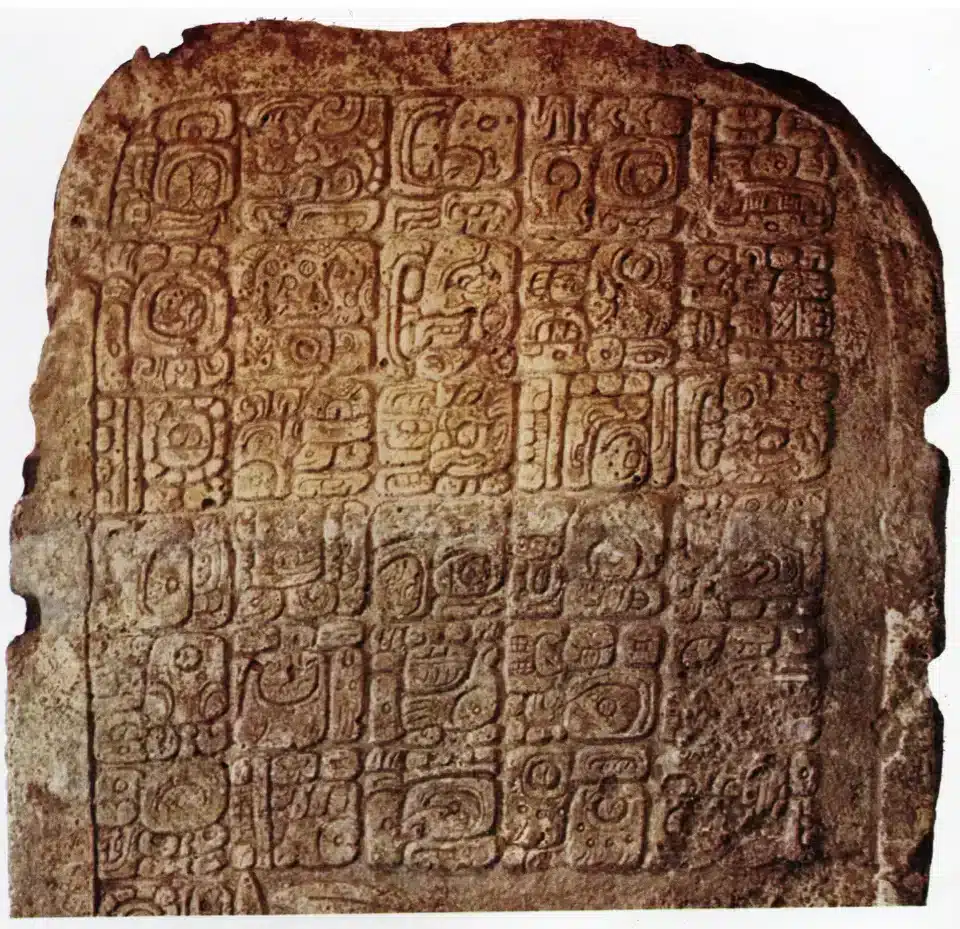
Estela 18 de Yaxchilán Chiapas
July 23, 2025

Why is the Postclassic period considered more historical? A look at the written testimonies of Mesoamerica.

The Mesoamerican post-Classic period is often noted for its wealth of documentation, thanks to codices, chronicles and accounts that have survived to this day. However, it was not the only time with historical awareness: from the Olmecs to the Maya of the Classic period, they also left valuable records. In this article we explore why the Postclassic is considered more historical and how other periods also contributed to the written memory of Mesoamerica.

History of Mexico
Read More Why is the Postclassic period considered more historical? A look at the written testimonies of Mesoamerica.
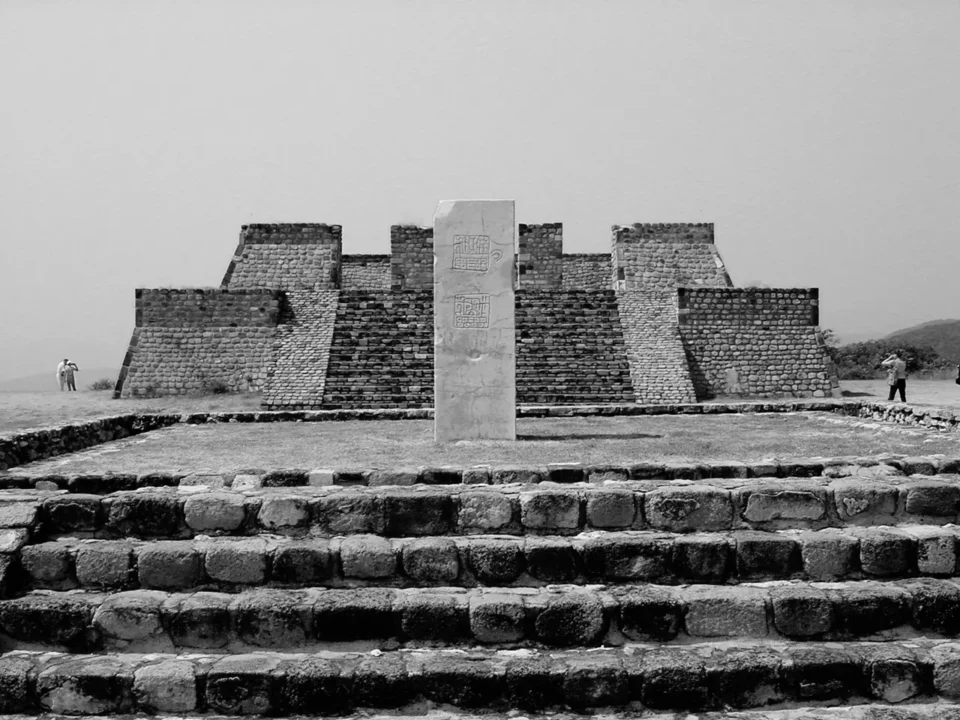
Xochicalco, Mexico
July 22, 2025

The language of ceramics at Teotihuacan and Xochicalco: what the fragments of the past reveal to us

Pottery is much more than just fragments of clay: it is a window into the Mesoamerican past. This article explores how finds at Xochicalco reveal connections with Teotihuacán and other cultures, showing that this site was a key point of encounter, science and art between the 6th and 10th centuries AD.

History of Mexico
Read More The language of ceramics at Teotihuacan and Xochicalco: what the fragments of the past reveal to us
Periodo Postclasico
July 22, 2025

What was the Postclassic Period in Mesoamerica? A new stage of changes and transformations

The Mesoamerican Postclassic period marked a new stage after the collapse of the great Classic cities. It was a time of migrations, conflicts, political reorganization and the emergence of powerful states such as the Mexica. Far from being a dark period, it was an era of profound transformation and cultural expansion that prepared the ground for the great indigenous empires that Europeans would encounter centuries later.

History of Mexico
Read More What was the Postclassic Period in Mesoamerica? A new stage of changes and transformations
Diego Rivera Murals
May 22, 2025

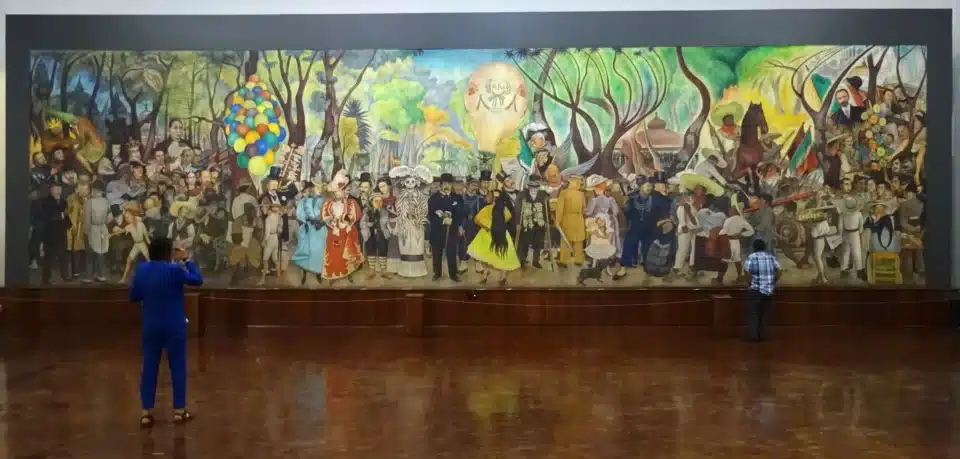
Diego Rivera’s murals

The Historic Center houses the most outstanding civil building, which is resplendent with a significant collection of works by the influential artist of the twentieth century, that is, the murals of Diego Rivera. His mastery of the fresco painting technique played a crucial role in the construction of the identity of a nation in full transformation after the Revolution.

History of Mexico
Read More Diego Rivera’s murals
Bucareli
May 22, 2025

Bucareli Historical Tour: Discover the Magic of Bucareli in a Unique Stroll

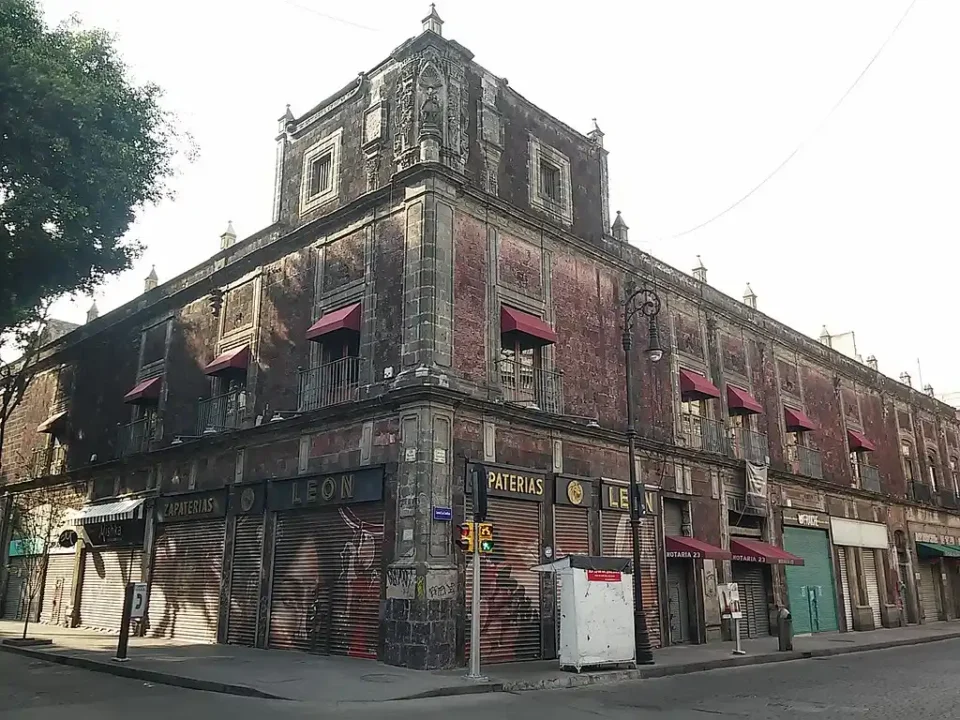
In the initial chronicles, this site was described as a charming place surrounded by trees, offering picturesque views of majestic mountains. Discovering its fascinating history demands a willingness to take a journey of more than a thousand steps, stopping along the way to unravel enigmas of the past and experience up close the architectural essence characteristic of the Porfiriato period.

History of Mexico
Read More Bucareli Historical Tour: Discover the Magic of Bucareli in a Unique Stroll
San Carlos Academy Main Sculpture
May 22, 2025

San Carlos Academy

Throughout the centuries, from the 16th century to the present, the Academy of San Carlos has been the crucible where successive generations of creators have been molded, many of whom played a fundamental role in the configuration of a large part of the cultural heritage rooted in the very heart of the Historic Center.

History of Mexico
Read More San Carlos Academy
Santa teresa la nueva
September 13, 2023

Santa teresa la nueva

On the eastern side of the Historic Center, is located this impressive temple, which has its roots in the historic convent of the Order of Discalced Carmelites, whose construction dates back to the dawn of the eighteenth century. This site embodies the richness of our architectural heritage and is a living testimony of our cultural history.

History of Mexico
Read More Santa teresa la nueva
First pulque sample
August 22, 2023

A brief history of the Pulquerías

With a heritage dating back to pre-Hispanic times, this fascinating beverage has played a fundamental role in our rich culture. Its deep-rooted presence in the heart of the Centro Histórico has been meticulously explored in this revealing article, which focuses on the period spanning from the 18th to the 20th century. Find out more about this deep-rooted tradition and its prominent place in our history in the following lines.

History of Mexico
Read More A brief history of the Pulquerías

Explore Mexico’s fascinating past through a deep, critical and well-documented look. In this category you will find articles that cover the different stages of Mexican history, from the great Mesoamerican civilizations such as the Mexica, Maya and Zapotec, to the viceroyalty of New Spain, the processes of independence, the wars of the 19th century and the social movements of the 20th century.Our approach seeks to go beyond the official narratives, highlighting the indigenous voices, social tensions and cultural changes that have shaped the country’s identity. Each publication is based on historical sources, recent research and visual elements that facilitate understanding and dialogue with the present.Ideal for students, researchers, teachers, cultural tourists or anyone interested in learning about the complexity and richness of Mexican history.